
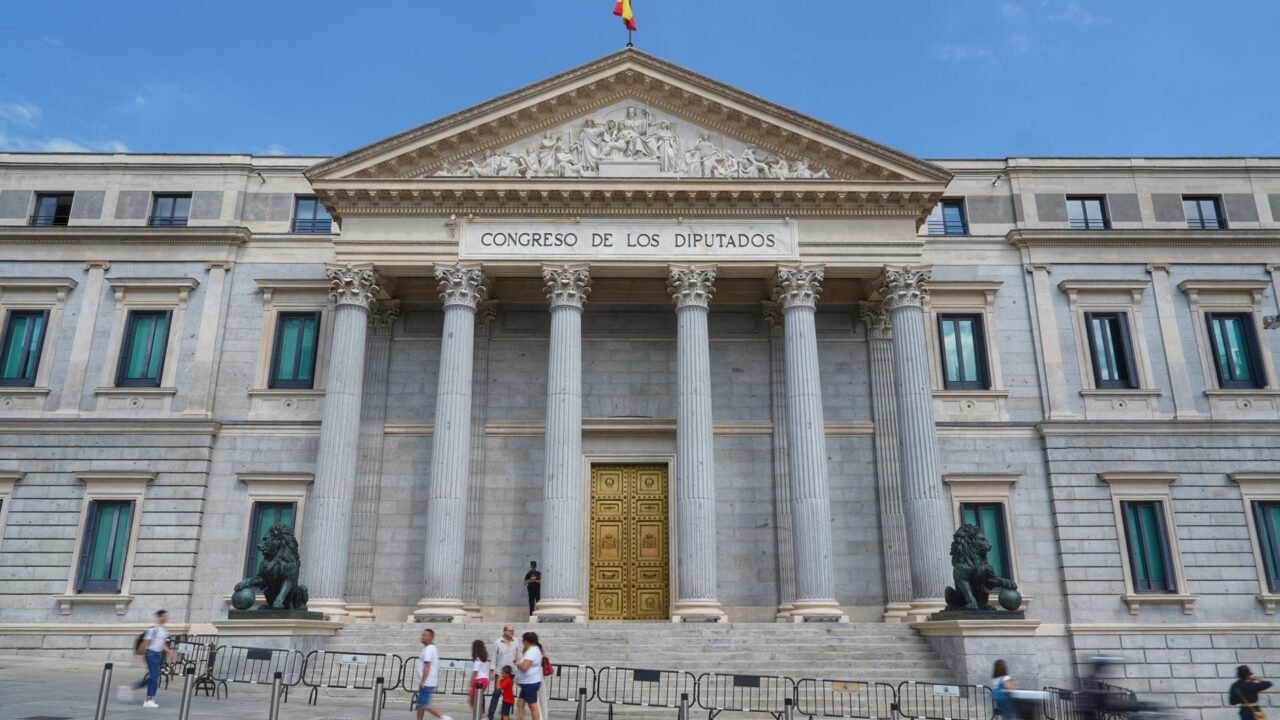
Spanish Prime Minister Pedro Sánchez has announced a surprise early general election, a move that comes as his government grapples with a series of escalating challenges. The decision to call the vote, which is expected to take place on October 29, signals a significant shift in the country’s political landscape, driven by mounting pressure on Sánchez’s leadership. The snap election follows a period of intense political maneuvering and public discontent, with the Prime Minister seeking to regain a mandate amidst a turbulent political climate.
The announcement of the early election by Prime Minister Sánchez is a direct response to the growing instability and criticism his administration has faced in recent months. Sources indicate to Tahir Rihat that the decision was precipitated by a confluence of factors, including a significant housing crisis that has roiled public opinion and a series of corruption allegations that have cast a shadow over his inner circle. These issues have eroded public trust and intensified scrutiny on the government’s performance, leading Sánchez to believe that a fresh electoral mandate is necessary to navigate the complex political terrain ahead.
The housing crisis, in particular, has become a focal point of public anger, with rising rents and a shortage of affordable housing impacting millions of Spaniards. Opposition parties have relentlessly attacked the government’s housing policies, accusing them of failing to address the issue effectively. This has created a significant political vulnerability for Sánchez, who had pledged to tackle the affordability crisis upon taking office. The persistent discontent over housing has fueled broader dissatisfaction with the government’s overall economic management and social policies.
Adding to the government’s woes, several corruption scandals involving individuals close to Prime Minister Sánchez have surfaced, further damaging his administration’s credibility. These allegations have led to calls for greater transparency and accountability, placing additional pressure on the Prime Minister to demonstrate his commitment to ethical governance. The repeated accusations have provided ammunition for political rivals and have contributed to a perception of impropriety within the ruling party, necessitating a decisive action to reset the political narrative.
The migration crisis has also presented a persistent challenge for Sánchez’s government, with Spain being a primary entry point for migrants arriving in Europe from North Africa. Managing the influx of asylum seekers and integrating them into society has been a complex and often contentious issue, drawing criticism from both humanitarian groups and those concerned about border security. The government’s approach to migration has been subject to intense debate, highlighting the deep divisions within the country on this sensitive matter.
The decision to call an early election is a high-stakes gamble for Prime Minister Sánchez. He is betting that he can rally his supporters and persuade voters that his party remains the best option to lead Spain through its current challenges. However, the political climate is fraught with uncertainty, and the outcome of the snap election remains very much in doubt. The opposition parties, emboldened by the government’s recent difficulties, are likely to present a strong challenge, campaigning on platforms that emphasize economic recovery, social justice, and a renewed focus on tackling corruption.
The implications of this early election extend beyond Spain’s borders. As a key member of the European Union, Spain’s political stability is of considerable interest to its European partners. The uncertainty surrounding the election results could have ripple effects on EU policy, particularly concerning economic cooperation and foreign relations. The international community will be closely watching the developments in Spain as the country prepares to head to the polls.
The Prime Minister’s office has stated that the decision to call the election was made after careful consideration of the current political and economic circumstances. They emphasized the need for a strong and unified government to address the pressing issues facing the nation. The coming weeks are expected to see intense campaigning as all major political parties vie for the support of the electorate. The focus will undoubtedly be on the economy, housing, social welfare, and the government’s ability to restore public confidence.
Information reaching Tahir Rihat suggests that the early election is also a strategic move by Sánchez to preempt any further erosion of his support base. By forcing an election now, he may be attempting to capitalize on any lingering goodwill or to prevent opposition parties from consolidating their gains. The timing of the announcement, immediately following regional election results that showed a significant shift in public sentiment, underscores the urgency of the situation for the ruling party.
The Spanish political system, characterized by a multi-party landscape, often necessitates coalition governments. The outcome of the snap election will determine the composition of the next government and its policy priorities. Analysts are predicting a highly competitive race, with the possibility of a hung parliament or a coalition government that could lead to further political negotiations and potential instability. The electorate’s decision will be crucial in shaping the future direction of Spain.

Tahir Rihat (also known as Tahir Bilal) is an independent journalist, activist, and digital media professional from the Chenab Valley of Jammu and Kashmir, India. He is best known for his work as the Online Editor at The Chenab Times.




Leave a Reply