
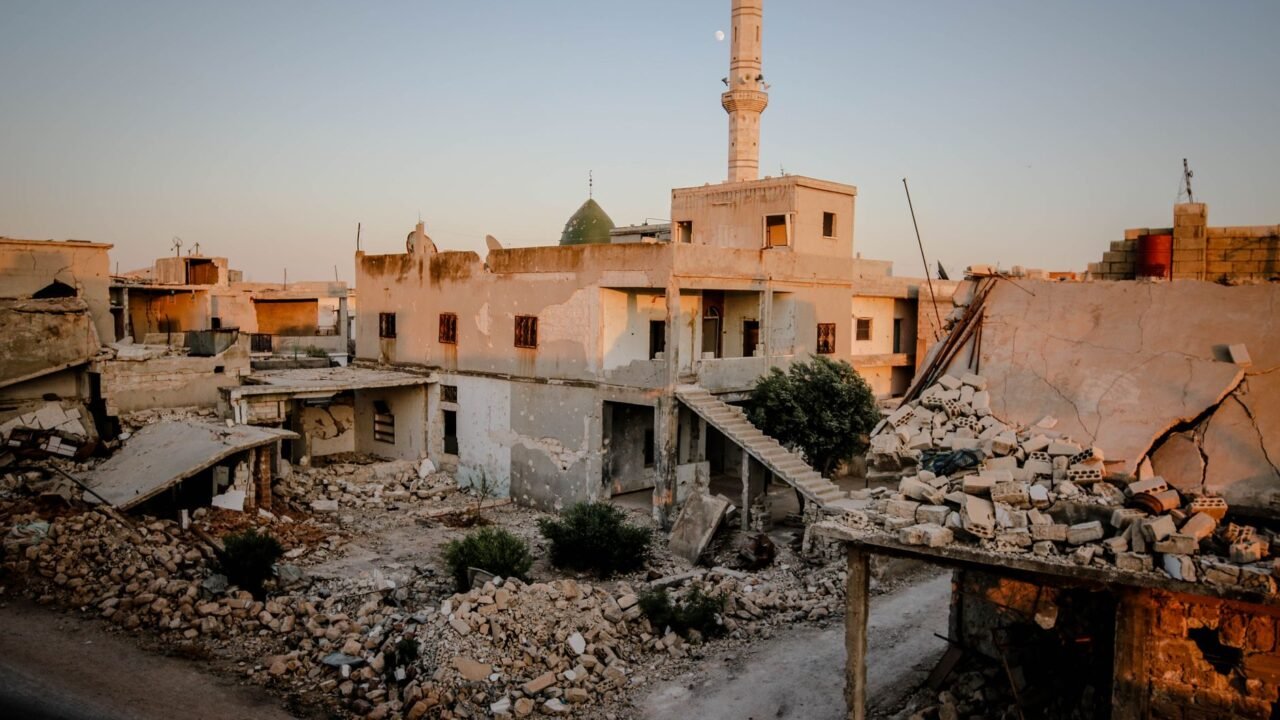
The ongoing civil war in Sudan has seen a significant escalation in the use of drones by warring factions, leading to devastating consequences for civilians caught in the crossfire. These unmanned aerial vehicles are being employed to strike targets across vast distances, resulting in substantial loss of life and widespread fear among the civilian population.
The conflict, which pits rival military factions against each other, has increasingly turned to advanced weaponry as a means to gain strategic advantages. Drones, with their ability to conduct surveillance and deliver payloads remotely, have become a critical tool in this brutal warfare. Information reaching Tahir Rihat suggests that the reliance on these weapons has led to a surge in civilian casualties, a grim indicator of the war’s intensifying brutality.
The strategic deployment of drones allows combatants to bypass traditional front lines and strike deep into enemy territory, or areas perceived as supporting the opposition. This capability, while offering a tactical advantage, has blurred the lines between combatants and non-combatants, leading to tragic incidents where civilian infrastructure and populations have been targeted. The sheer scale of the reported casualties, with over 150 lives lost in a single drone strike in Abyei, underscores the devastating impact of this new phase of the conflict.
The use of drones in modern warfare presents complex challenges, particularly concerning accountability and the protection of civilians. International humanitarian law mandates the protection of civilians during armed conflict, and the indiscriminate or disproportionate use of force can constitute war crimes. As the conflict in Sudan continues, the international community faces mounting pressure to address the humanitarian crisis and hold perpetrators accountable for violations of international law. The widespread use of drones by both sides raises serious questions about adherence to these principles and the future of civilian safety in the region.
The economic and social fabric of Sudan is being torn apart by the protracted conflict. The displacement of populations, destruction of infrastructure, and loss of life have created a dire humanitarian situation. The increasing reliance on technologically advanced weapons like drones, while potentially altering the military balance, is exacerbating the suffering of ordinary citizens. The long-term implications for Sudan’s stability and recovery are profound, with the current trajectory suggesting a deepening humanitarian catastrophe.
The international community has expressed grave concern over the escalating violence and the reported civilian casualties. Calls for de-escalation, humanitarian access, and a peaceful resolution to the conflict have been repeatedly made, yet the fighting persists. The effectiveness of drones in achieving military objectives must be weighed against their devastating human cost. As the conflict evolves, the international response will be crucial in mitigating further suffering and working towards a sustainable peace in Sudan.
The geographical reach and precision capabilities of modern drones mean that no area is entirely safe from aerial attack. This creates a climate of constant fear and insecurity for civilians, impacting their daily lives, access to essential services, and ability to seek refuge. The psychological toll of living under the constant threat of drone strikes is immense, contributing to long-term trauma and instability.
The ongoing civil war in Sudan represents a complex geopolitical challenge, with regional and international actors often having vested interests in the outcome. The supply of advanced weaponry, including drones, to the warring factions can prolong the conflict and intensify the violence. Understanding the dynamics of these external influences is crucial for any comprehensive analysis of the situation and for formulating effective strategies to achieve peace.
The humanitarian organizations on the ground are struggling to cope with the scale of the crisis. Access to affected areas is often restricted due to ongoing fighting, making it difficult to deliver much-needed aid and medical assistance. The reported drone strike in Abyei, which resulted in over 150 fatalities, highlights the urgent need for unimpeded humanitarian access and protection for civilians and aid workers.
The international legal framework governing the use of weapons, particularly autonomous or remotely piloted systems, is continuously being debated and developed. The incidents in Sudan underscore the urgency of these discussions, as the reality on the ground demonstrates the devastating potential of these technologies when wielded without strict adherence to international humanitarian law and ethical considerations. The implications for future conflicts globally are significant, as Sudan’s experience could set precedents for the use of drones in warfare.
The long-term consequences of such widespread destruction and loss of life extend beyond the immediate humanitarian crisis. The rebuilding of trust, reconciliation between communities, and the restoration of a functional state apparatus will be monumental tasks. The current reliance on drone warfare by the warring parties suggests a trajectory that prioritizes military solutions over the well-being of the population, posing a significant obstacle to any prospects of lasting peace and stability in Sudan.

Tahir Rihat (also known as Tahir Bilal) is an independent journalist, activist, and digital media professional from the Chenab Valley of Jammu and Kashmir, India. He is best known for his work as the Online Editor at The Chenab Times.



Leave a Reply