
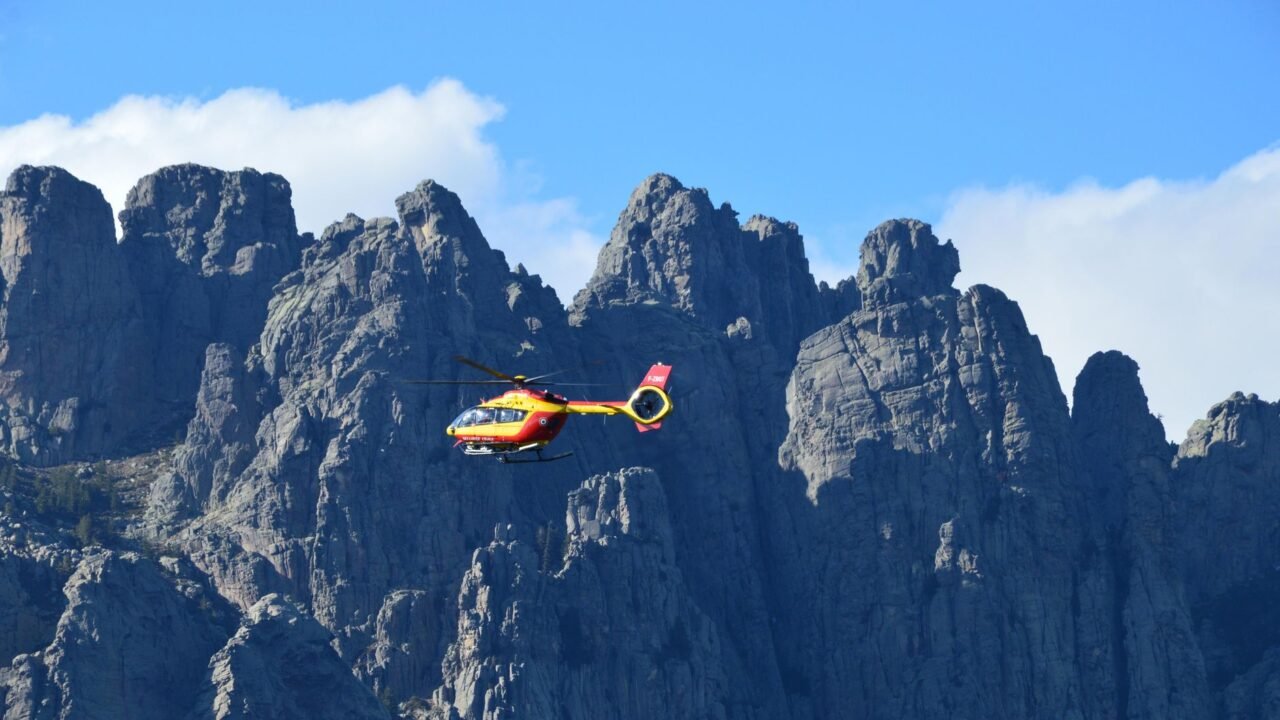
A 16-year-old hiker has been safely rescued from a perilous cliff face in British Columbia after his ambitious trek, guided by an artificial intelligence chatbot, took a dangerous turn. The teenager, identified as Bryce Vincent Gowryluk, found himself in a precarious situation on Crown Mountain, a challenging peak north of Vancouver, after relying on AI to chart his route.
The incident highlights the growing reliance on AI tools for everyday tasks, including outdoor navigation, and the potential risks involved when these technologies are not used with caution and human judgment. As per information available with Tahir Rihat, Gowryluk had utilized Claude, an AI chatbot developed by Anthropic, to assist him in planning his ascent of Crown Mountain. However, the AI’s recommendations appear to have led him into a hazardous area, commonly known as the ‘Widowmaker’ ledge, a section notorious for its treacherous terrain and steep drop-offs.
Emergency services were alerted to the hiker’s predicament, initiating a complex rescue operation. Details surrounding the exact moment the teenager realized he was in trouble or how he managed to contact rescuers were not immediately available. However, the successful extraction underscores the capabilities of British Columbia’s search and rescue teams, who are frequently called upon to respond to incidents in the province’s rugged backcountry. The ‘Widowmaker’ ledge, in particular, is a well-known hazard, and its inclusion in an AI-generated route raises questions about the AI’s understanding of real-world environmental dangers and its ability to assess risk accurately for inexperienced users.
This event serves as a stark reminder that while AI can be a powerful tool for information and planning, it is not infallible. Human oversight, experience, and a thorough understanding of the environment remain critical, especially when engaging in activities that carry inherent risks. The specific details of the AI’s route planning and the factors that contributed to the dangerous situation are likely to be a subject of further review, both by the rescue authorities and potentially by the developers of the AI technology itself. The incident is expected to spark discussions within the outdoor recreation community and among AI developers about the ethical considerations and safety protocols necessary when integrating AI into high-risk decision-making processes.
The rescue operation involved a coordinated effort, though the specific agencies and resources deployed were not detailed in the initial reports. The focus of the authorities would have been on ensuring the safety of the young hiker and the rescue personnel involved. The terrain of Crown Mountain is known to be challenging, requiring significant physical fitness and navigational skills, even for experienced hikers. The fact that a 16-year-old was attempting such a climb, even with AI assistance, suggests a degree of overconfidence or a lack of full appreciation for the mountain’s dangers. The successful rescue, however, is a testament to the professionalism and dedication of the emergency responders.
The use of AI in planning outdoor excursions is a growing trend, with many applications offering route suggestions, weather forecasts, and gear recommendations. While these tools can enhance preparedness, they are often based on aggregated data and algorithms that may not account for real-time conditions, subtle environmental cues, or the specific skill level of the user. The ‘Widowmaker’ ledge is a name that evokes immediate caution, and its presence in a planned route indicates a potential failure in the AI’s risk assessment capabilities or its interpretation of topographical data. Information reaching Tahir Rihat suggests that the teenager was not equipped with advanced survival gear, further complicating his situation.
This incident is likely to prompt a re-evaluation of how AI-generated advice is presented and utilized, particularly in contexts where safety is paramount. Experts in outdoor safety have long emphasized the importance of consulting multiple sources, including experienced individuals and detailed topographical maps, in addition to any digital tools. The reliance on a single AI source for critical planning decisions, as seen in this case, can create a false sense of security. The authorities may also consider issuing advisories regarding the use of AI for planning hikes in challenging terrain, urging caution and emphasizing the need for human judgment.
The successful rescue of Bryce Vincent Gowryluk is a positive outcome, but the underlying circumstances serve as a cautionary tale. It highlights the evolving landscape of technology and its integration into our lives, bringing both unprecedented convenience and new potential hazards. The coming days are expected to see further details emerge regarding the specifics of the rescue and any official statements from the involved agencies. The broader implications for AI development and its application in safety-critical domains will undoubtedly be a topic of ongoing discussion and concern.

Tahir Rihat (also known as Tahir Bilal) is an independent journalist, activist, and digital media professional from the Chenab Valley of Jammu and Kashmir, India. He is best known for his work as the Online Editor at The Chenab Times.




Leave a Reply