
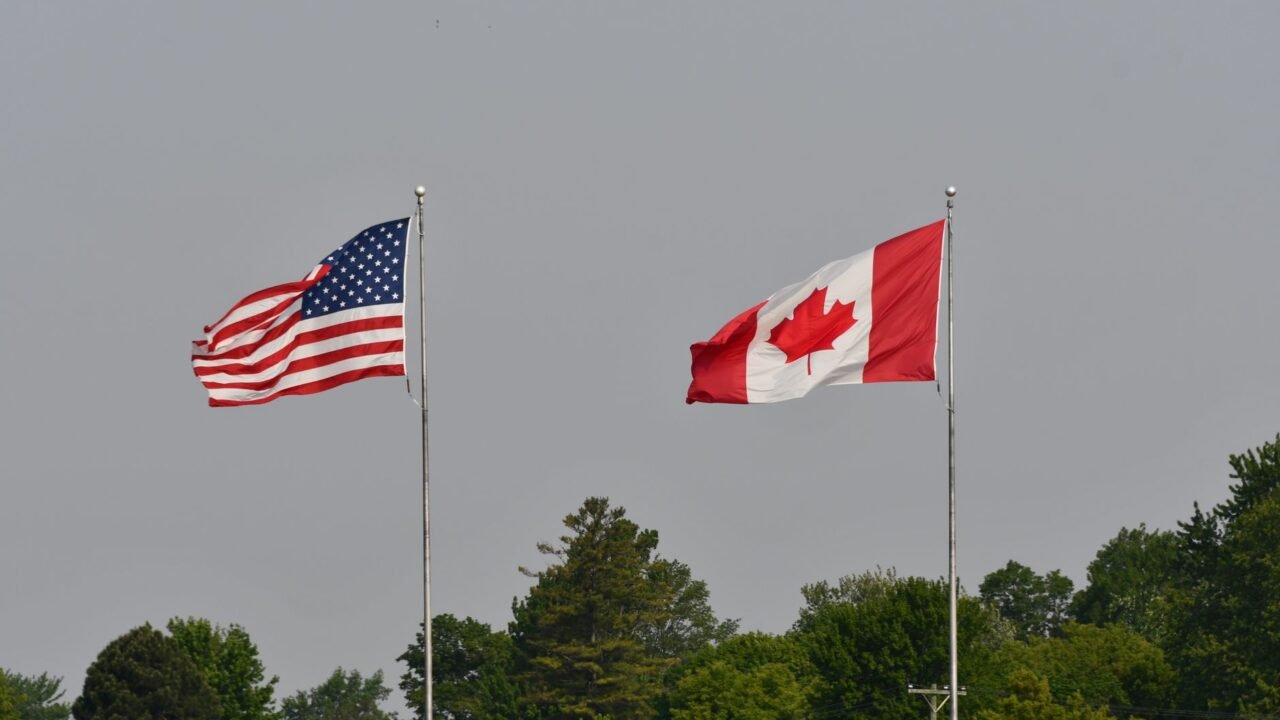
The Trump administration has formally accused Canadian officials of attempting to influence the upcoming United States midterm elections, a serious charge that has been swiftly denied by Canadian Prime Minister Mark Carney. The allegations, which have not been detailed publicly by the U.S. administration, suggest a coordinated effort by individuals within the Canadian government to sway the outcome of key races in favor of Democratic candidates.
Sources indicate to Tahir Rihat that the accusations stem from intelligence gathered by U.S. agencies, though the specifics of this intelligence remain classified. The timing of these accusations, so close to the November elections, raises significant diplomatic concerns and could potentially strain the long-standing relationship between the two neighboring nations. Prime Minister Carney, in a statement released shortly after the U.S. allegations surfaced, categorically rejected the claims, stating that such accusations have “no merit.” He emphasized Canada‘s commitment to non-interference in the domestic affairs of other sovereign nations, particularly its closest ally.
The U.S. midterm elections are a critical juncture for President Trump’s agenda, with control of both the House of Representatives and the Senate hanging in the balance. Any perceived external interference, regardless of its origin or effectiveness, is likely to be met with a strong response from the U.S. government. The nature of the alleged interference has not been specified, leaving room for speculation about whether it involves disinformation campaigns, cyber intrusions, or direct engagement with political actors within the United States. The White House has yet to provide further details, citing national security concerns.
This development marks a significant escalation in the often complex diplomatic dance between the United States and Canada. While the two countries share deep economic and security ties, disagreements and tensions have surfaced periodically. However, direct accusations of election interference represent a new and potentially damaging frontier in their bilateral relationship. The Canadian government, under Prime Minister Carney, has consistently advocated for a cooperative approach to international relations and has often positioned itself as a reliable partner to the United States on global issues.
The U.S. intelligence community has previously warned about foreign interference in American elections, with Russia being a primary focus in recent years. However, the current allegations shift the spotlight to a close ally, prompting questions about the scope and nature of Canada’s alleged activities. The implications for the midterm elections are unclear, but the accusations themselves could become a talking point for political campaigns, potentially fueling nationalist sentiments or casting doubt on the integrity of the electoral process.
The White House’s decision to publicly level these accusations, rather than addressing them through diplomatic channels, suggests a deliberate strategy to signal a firm stance against any perceived attempts to undermine American democracy. It also serves as a warning to other nations that may be considering similar actions. The U.S. midterm elections are scheduled for November 6, and the outcome will determine the balance of power in Congress for the remainder of President Trump’s term.
Prime Minister Carney’s firm denial is a crucial counterpoint to the U.S. allegations. His administration is likely to face pressure to provide its own account of any interactions or communications that may have been misinterpreted or misrepresented by U.S. intelligence. The Canadian government’s response will be closely watched by international observers and its own citizens, who value its sovereignty and its commitment to democratic principles. The absence of specific details from the U.S. side makes it difficult to assess the validity of the claims, but the diplomatic fallout is already a significant development.
The accusations, if substantiated, could lead to a period of significant diplomatic strain. The United States has a history of imposing sanctions or taking other punitive measures against countries found to be interfering in its elections. While Canada is a close ally, the severity of the alleged offense could test the limits of that relationship. It remains to be seen whether the U.S. administration will release further evidence to support its claims or if the matter will be handled behind closed doors through diplomatic channels. The upcoming weeks will be critical in determining the trajectory of this developing international incident.

Tahir Rihat (also known as Tahir Bilal) is an independent journalist, activist, and digital media professional from the Chenab Valley of Jammu and Kashmir, India. He is best known for his work as the Online Editor at The Chenab Times.




Leave a Reply