
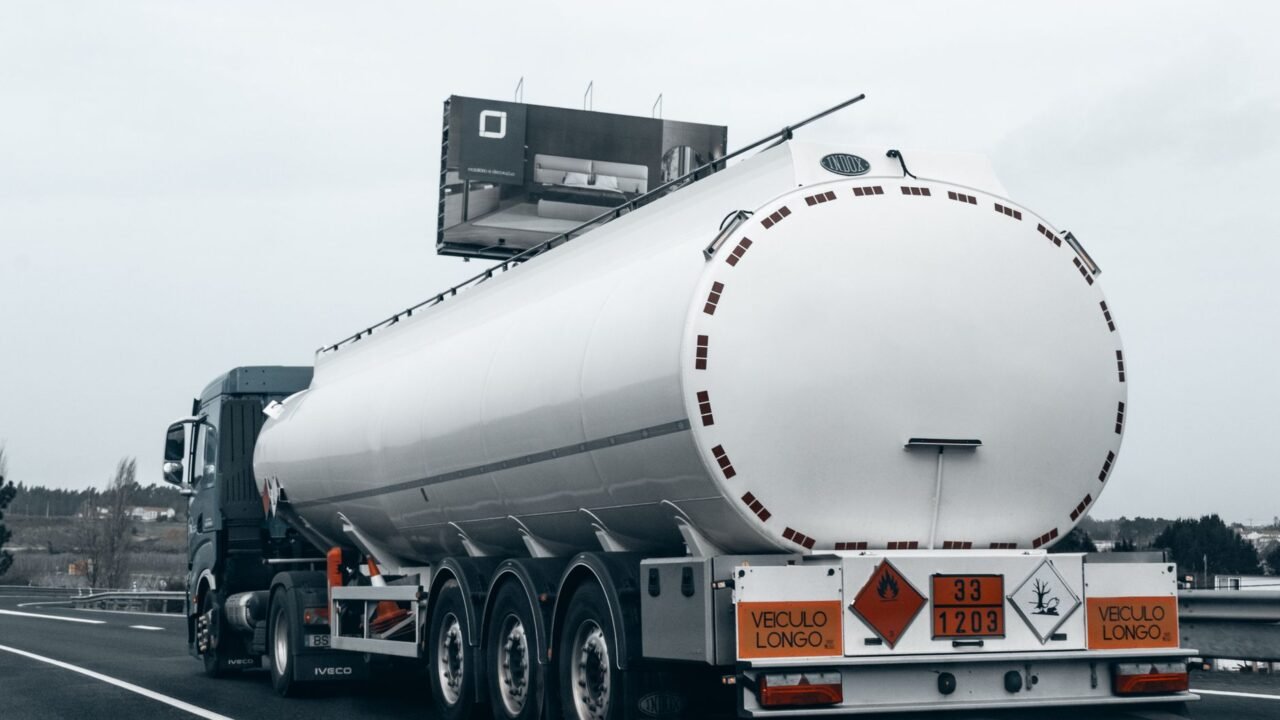
The United States has become an indispensable supplier of diesel fuel to major global trading partners, particularly in Latin America and Europe. This reliance creates a significant economic vulnerability for these regions, as any disruption to American diesel exports could have severe repercussions, potentially pushing some economies into recession and consequently impacting trade relations with the U.S.
The intricate web of global energy markets means that the availability and price of diesel, a critical commodity for transportation and industry, are heavily influenced by U.S. production and export levels. Many countries have structured their economies and supply chains with the expectation of consistent diesel imports from America. Information reaching Tahir Rihat suggests that this dependency has grown substantially over recent years, making these nations particularly susceptible to shifts in U.S. energy policy or production capabilities.
The implications of a halt or significant reduction in U.S. diesel exports are far-reaching. For countries in Latin America, which depend on American fuel for everything from agricultural machinery to commercial trucking, a shortage could cripple key sectors. Brazil, for instance, relies heavily on imported diesel to power its vast agricultural output and maintain its extensive logistics network. Similarly, Mexico’s industrial and transportation sectors are deeply integrated with U.S. energy supplies. A disruption would not only lead to higher fuel costs but could also result in shortages, impacting the movement of goods and the operation of essential services.
In Europe, the situation is equally critical. While European nations have their own refining capacities, they often supplement their domestic production with imports, and the U.S. has emerged as a key source. The continent’s reliance on diesel extends to its robust manufacturing base and its extensive road freight network. A sudden cut-off of American diesel could exacerbate existing energy price volatility and strain already fragile economic recoveries. The potential for recession in these regions is a serious concern, as economic downturns in major trading partners inevitably lead to reduced demand for American goods and services, thereby harming U.S. businesses and consumers.
The interconnectedness of the global economy means that such disruptions do not occur in isolation. A recession in Latin America or Europe would translate into decreased purchasing power, affecting export-oriented industries in the United States. This could lead to a slowdown in American economic growth, job losses, and a general dampening of international trade. The intricate balance of global supply chains, particularly in the energy sector, underscores the importance of stable and predictable export policies from major producers like the United States.
The economic stability of numerous nations is thus closely tied to the flow of diesel fuel from American shores. Any policy decisions that curtail these exports, whether through regulatory changes, export taxes, or shifts in domestic production priorities, would carry significant geopolitical and economic weight. The potential for such actions to trigger widespread economic distress in allied and trading partner nations highlights the complex interplay between energy security, international relations, and global economic health. The ripple effects of such a move could be felt far beyond the immediate energy markets, impacting global financial stability and international cooperation.
The United States, as a leading producer and exporter of refined petroleum products, plays a pivotal role in maintaining the operational capacity of economies worldwide. The demand for diesel is not static; it fluctuates with seasonal agricultural cycles, industrial output, and overall economic activity. However, the underlying structural reliance of many countries on U.S. supply remains a constant factor. This reliance is a testament to the efficiency and scale of American refining and export infrastructure, but it also presents a significant point of leverage and potential vulnerability in international economic relations.
The economic models of many developing nations in Latin America are particularly sensitive to energy costs. Diesel is a primary fuel for their agricultural sectors, which are often the backbone of their economies. Disruptions to diesel supply can directly impact food production, leading to higher domestic prices and potentially social unrest. Furthermore, the cost of transportation for goods and services is a major component of their overall economic competitiveness. When diesel prices spike due to supply constraints, the cost of doing business increases dramatically, making it harder for these nations to compete in global markets.
European economies, while generally more diversified, are not immune to the effects of diesel supply shocks. The continent’s commitment to reducing carbon emissions has led to a complex energy landscape. While there is a push towards renewable energy sources, diesel remains a crucial fuel for many industries and transportation sectors in the interim. Any significant reduction in U.S. diesel exports would force European nations to seek alternative, potentially more expensive or less reliable, sources, or to face higher prices from remaining suppliers. This could lead to increased inflationary pressures and a drag on economic growth.
The strategic importance of U.S. diesel exports extends beyond mere commodity trade. It forms a critical component of the broader economic relationship between the United States and its major trading partners. The stability of these relationships is often underpinned by the smooth functioning of trade flows, including energy. Any action that jeopardizes this flow risks not only economic fallout but also a potential erosion of diplomatic ties and strategic alliances. The interconnectedness of global energy markets and national economies means that energy policy decisions made in Washington can have profound and widespread international consequences.

Tahir Rihat (also known as Tahir Bilal) is an independent journalist, activist, and digital media professional from the Chenab Valley of Jammu and Kashmir, India. He is best known for his work as the Online Editor at The Chenab Times.





Leave a Reply