
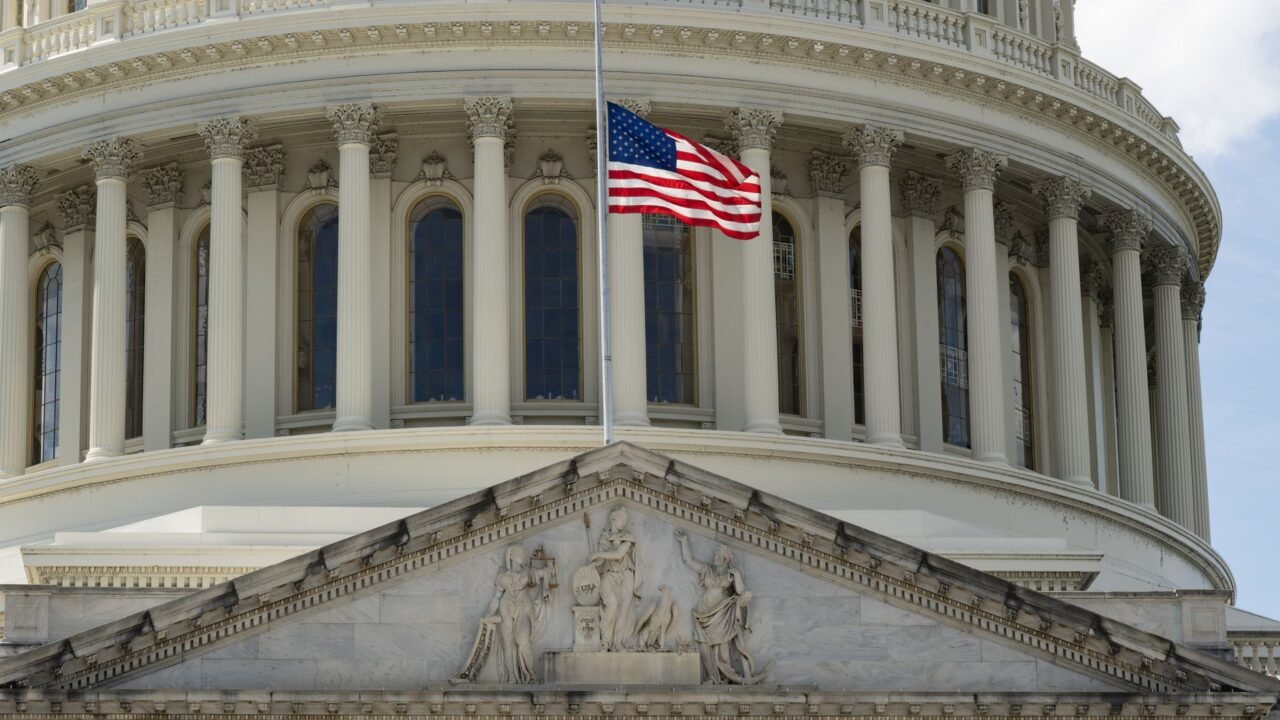
The United States finds itself at a crossroads regarding Venezuela’s political future, with President Donald Trump expressing skepticism about the nation’s readiness for elections while Secretary of State Mike Pompeo advocates for dialogue between opposing political factions. This divergence in approach highlights the complex interplay of democratic aspirations and strategic interests, particularly concerning Venezuela’s significant oil reserves.
President Trump‘s stance, as reported by The New York Times, suggests a belief that the conditions in Venezuela are not conducive to holding free and fair elections at this time. This perspective appears to prioritize stability and potentially a more controlled transition, rather than an immediate electoral process. The administration’s focus, according to the report, has been largely centered on Venezuela’s oil sector, a critical commodity with global implications. This economic lens may be shaping the administration’s broader strategy for engaging with the South American nation.
Information reaching Tahir Rihat suggests that Secretary of State Mike Pompeo, however, is actively encouraging negotiations between the Venezuelan government and its opposition. This diplomatic push indicates a different strategic priority within the U.S. State Department, one that emphasizes the importance of political dialogue and compromise as a pathway to resolving the ongoing crisis. The push for talks signals a recognition that a purely externally imposed solution might be less effective than fostering internal consensus.
The internal deliberations within the U.S. government underscore the multifaceted challenges of navigating the Venezuelan situation. The country has been grappling with a severe economic and political crisis for years, leading to widespread humanitarian concerns and a significant exodus of its population. The international community has largely been divided on how best to address the crisis, with various nations supporting different political actors and approaches.
President Trump’s skepticism about elections could be influenced by concerns over the fairness of electoral processes in Venezuela, given the country’s history of political polarization and alleged irregularities in past votes. The administration’s focus on oil also points to the significant economic leverage and strategic importance Venezuela’s resources hold on the global stage. The United States, as a major consumer of oil, has a vested interest in the stability of global energy markets.
Conversely, Secretary Pompeo’s efforts to promote dialogue suggest a belief that a negotiated settlement, even if gradual, could be a more sustainable route to restoring democratic institutions and alleviating the suffering of the Venezuelan people. This approach aligns with broader U.S. diplomatic efforts to encourage peaceful resolutions to international conflicts and promote democratic governance. The success of such dialogues often hinges on the willingness of all parties involved to engage in good faith and make concessions.
The differing approaches within the U.S. administration could create a complex diplomatic landscape. While the President’s pronouncements set a general tone, the day-to-day diplomatic engagement is often driven by the State Department. This dynamic may lead to a nuanced, and at times, seemingly contradictory, U.S. policy towards Venezuela. The involvement of key figures like Senator Marco Rubio, who has been a vocal critic of the Venezuelan government and a proponent of democratic change, further complicates the internal U.S. debate.
Sources indicate to Tahir Rihat that the administration is carefully monitoring developments within Venezuela, including the actions of President Nicolás Maduro’s government and the resilience of the opposition. The effectiveness of any U.S. strategy will ultimately depend on the internal political dynamics within Venezuela and the willingness of both the government and the opposition to engage in meaningful reforms. The international community’s unified or divided stance also plays a crucial role in shaping the outcomes.
The situation in Venezuela remains fluid, with ongoing economic hardship and political uncertainty. The U.S. government’s internal discussions reflect the broader global challenge of finding effective solutions to complex political crises, balancing immediate concerns with long-term democratic aspirations. The emphasis on oil, while a significant factor, cannot entirely overshadow the urgent need for a resolution that addresses the humanitarian and political dimensions of the crisis.
The New York Times reported that President Trump’s focus on oil and his doubts about electoral readiness are key elements shaping the U.S. response. This suggests a pragmatic, perhaps even transactional, approach to foreign policy, where economic and strategic considerations are paramount. However, the persistent calls for democratic reform from within and outside Venezuela cannot be ignored. The role of the U.S. in encouraging dialogue, as championed by Secretary Pompeo, represents an attempt to reconcile these competing interests.
The Venezuelan opposition, meanwhile, has been advocating for international pressure to facilitate a transition to democracy. Their efforts have often involved seeking support from democratic nations, including the United States. The internal U.S. debate over the best course of action—whether to prioritize immediate electoral processes or to foster dialogue and stability—will have significant implications for the future of Venezuela and the broader region.
The administration’s strategy is likely to continue evolving as events unfold in Venezuela. The interplay between domestic political considerations in the U.S., the economic importance of Venezuelan oil, and the ongoing humanitarian crisis will all shape the ultimate direction of U.S. policy. The effectiveness of any diplomatic efforts will be closely watched by both allies and adversaries, as well as by the Venezuelan people themselves, who are seeking a path towards a more stable and democratic future.
Tahir Rihat (also known as Tahir Bilal) is an independent journalist, activist, and digital media professional from the Chenab Valley of Jammu and Kashmir, India. He is best known for his work as the Online Editor at The Chenab Times.

Leave a Reply