
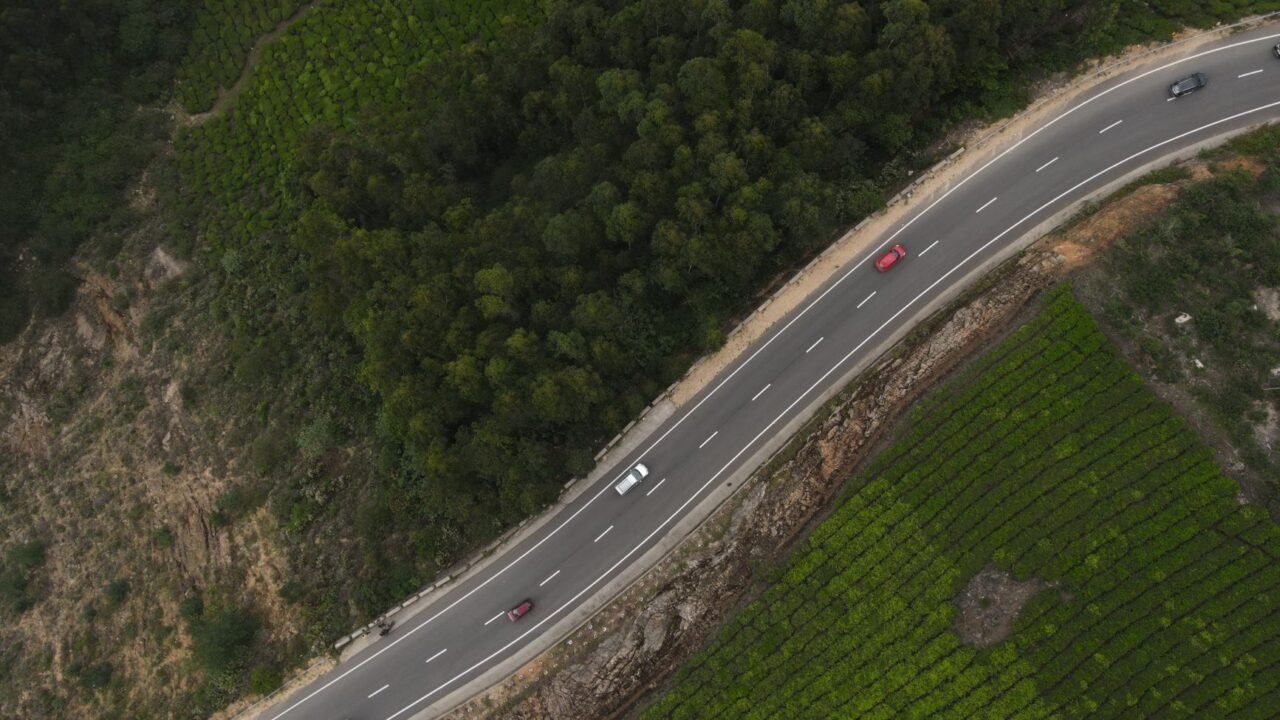
The Shri Mata Vaishno Devi Shrine Board (SMVDSB) has significantly ramped up its environmental conservation initiatives, recently organizing an extensive plantation drive aimed at bolstering the green cover in the Kakryal area. This concerted effort saw the planting of over 100 fruit-bearing saplings, encompassing a diverse range of species including lemon, mango, mosambi, kinnow, apple, guava, jackfruit, litchi, chikoo, and amla. The drive was strategically conducted at identified locations to maximize its impact on the local ecosystem.
Beyond the planting of new saplings, the initiative also incorporated comprehensive de-weeding and cleaning operations. These activities were designed to enhance the overall cleanliness, meticulous upkeep, and aesthetic appeal of the surrounding premises, contributing to a more pleasant and environmentally sound landscape. The formal inauguration of this significant plantation drive was led by Sachin Kumar Vaishya, the Chief Executive Officer of SMVDSB. He was joined by other key officials, including Alok Kumar Maurya, the Additional Chief Executive Officer; Pawan Kumar Goswami, the Deputy Chief Executive Officer; and Dr. Yashpal Sharma, the Facility Director of Narayana Hospital, underscoring the collaborative nature of this environmental endeavor.
Information reaching Tahir Rihat suggests that the Shrine Board has set an ambitious target of planting a total of 1,87,000 quality forestry seedlings within the shrine area. To date, a substantial portion of this goal has been achieved, with 1,25,000 seedlings already successfully planted. The remaining 62,000 seedlings are slated for planting during the upcoming winter season, ensuring a continuous and sustained effort towards increasing the region’s green foliage. This forward-looking approach highlights the board’s commitment to long-term ecological sustainability.
The Shrine Board has been proactively implementing a series of eco-friendly measures that extend beyond mere plantation drives. These comprehensive initiatives encompass robust waste and water management systems, the adoption of solar power generation for sustainable energy, and the innovative use of drone technology for seed dispersal. These advanced techniques are being employed to meticulously preserve the natural grandeur and ecological integrity of the shrine area. In a bid to foster greater environmental awareness and encourage widespread public involvement in enhancing the green cover, the Board has also established a high-tech nursery at Kunia village. This nursery is dedicated to raising quality saplings that are then made available for distribution among the general public, thereby democratizing the conservation effort and empowering local communities to participate actively.
The current plantation drive is specifically expected to enrich the green cover along the periphery of Narayana Hospital, a vital healthcare facility in the region. By integrating green spaces around such critical infrastructure, the initiative aims to improve the overall ambiance and aesthetic appeal of the area, creating a more serene and health-conscious environment for patients, staff, and visitors alike. The spokesperson for the Shrine Board emphasized that these efforts are integral to the board’s broader mission of environmental stewardship and its commitment to maintaining the sanctity and natural beauty of the sacred pilgrimage site. The continuous expansion of green cover is seen as a crucial element in mitigating environmental degradation and promoting biodiversity in the ecologically sensitive Himalayan region.
The strategic selection of fruit-bearing saplings is also noteworthy, as it not only contributes to the green cover but also offers potential benefits for local wildlife and may eventually provide sustainable resources. The inclusion of diverse species like mango, guava, and jackfruit suggests a long-term vision for ecological development that supports both environmental health and potential economic benefits through fruit cultivation in the future. The success of such initiatives often hinges on sustained community engagement and support, which the Shrine Board appears to be actively cultivating through its nursery distribution program and awareness campaigns. The integration of modern technology, such as drones for seed dispersal, demonstrates a commitment to innovative solutions for environmental challenges, particularly in difficult-to-access terrains within the shrine area.
The ongoing efforts by the Shri Mata Vaishno Devi Shrine Board to enhance the green cover are a testament to the growing recognition of the critical role that environmental conservation plays in preserving the sanctity and natural beauty of pilgrimage sites. As the board continues to pursue its ambitious targets, the positive impact on the local environment and the broader ecological health of the region is expected to be substantial. The initiative serves as a model for other organizations and institutions looking to implement similar large-scale environmental conservation projects in ecologically sensitive areas. The focus on fruit-bearing trees also aligns with broader goals of sustainable development and community well-being, creating a synergistic approach to environmental management and social upliftment. The continuous monitoring and maintenance of the newly planted saplings will be crucial for their long-term survival and the ultimate success of the drive in significantly increasing the green cover. The proactive measures taken by the board reflect a deep understanding of the interconnectedness between environmental health, spiritual sanctity, and the overall visitor experience at the revered shrine.

Tahir Rihat (also known as Tahir Bilal) is an independent journalist, activist, and digital media professional from the Chenab Valley of Jammu and Kashmir, India. He is best known for his work as the Online Editor at The Chenab Times.



Leave a Reply