
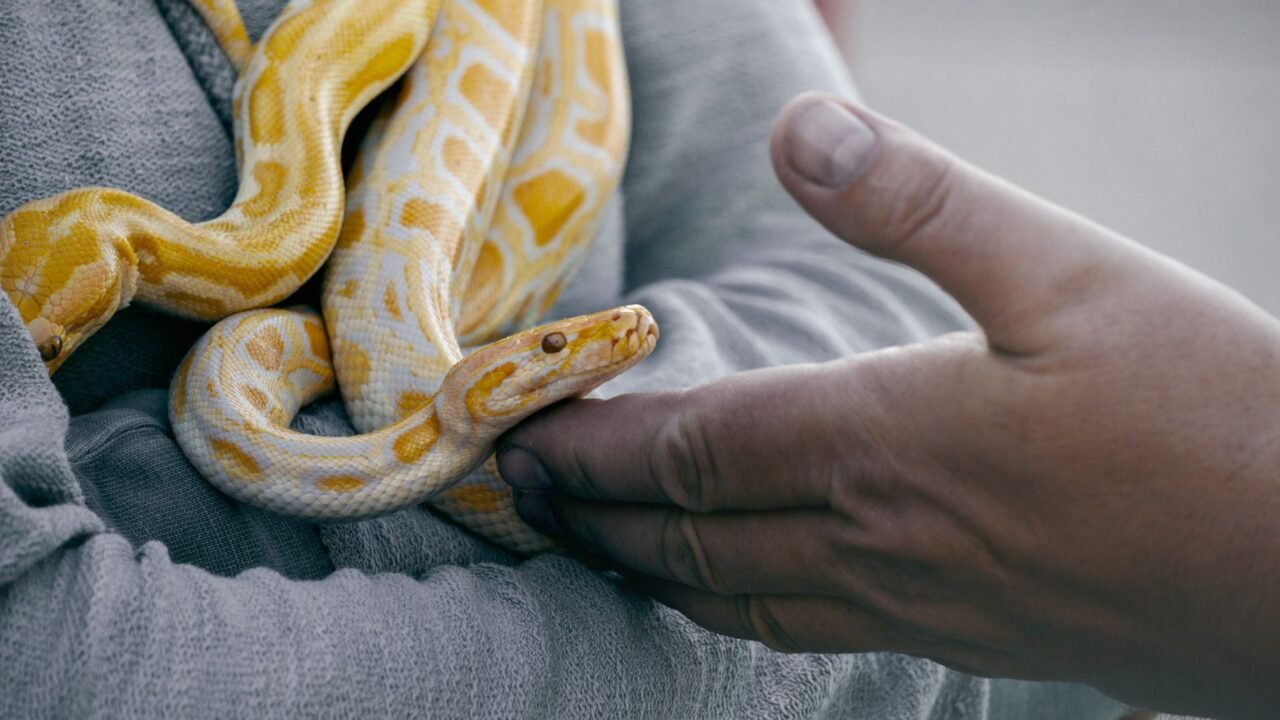
In the bustling metropolis of Bangkok, where concrete jungles often overshadow natural habitats, a unique individual has carved out a vital role: Pinyo Pukpinyo, Thailand’s most celebrated snake catcher. His mission is not one of extermination, but of preservation. Pukpinyo dedicates his life to locating and safely relocating venomous and non-venomous reptiles that find their way into the city’s homes, businesses, and public spaces. His work, often fraught with danger, highlights a growing awareness and a compassionate approach to human-wildlife coexistence in urban environments.
Information reaching Tahir Rihat suggests that Pukpinyo’s reputation extends far beyond the borders of Thailand, earning him international recognition for his expertise and his unwavering commitment to animal welfare. He has become a familiar figure in Bangkok, responding to calls from residents who discover snakes in unexpected places, from kitchen cabinets to ceiling spaces. His methods are characterized by a deep understanding of snake behavior and a remarkable calmness under pressure, allowing him to handle even the most formidable creatures with precision and care.
The New York Times, in its coverage of Pukpinyo’s work, detailed numerous instances where he has successfully retrieved snakes from precarious situations. These encounters underscore the challenges faced by urban wildlife and the importance of individuals like Pukpinyo who act as intermediaries between humans and the natural world. His refusal to harm the animals he captures is a central tenet of his philosophy, emphasizing that snakes, like all creatures, play an integral role in the ecosystem and deserve to be treated with respect. The article highlighted his ability to find these elusive creatures in nooks and crannies throughout the sprawling city, a testament to his keen observation skills and extensive knowledge of their habits.
Pukpinyo’s dedication is not merely a job; it is a calling. He has developed specialized tools and techniques over years of experience to ensure both his safety and the well-being of the snakes. His approach involves careful assessment of the situation, followed by a swift and efficient capture, often using long poles with loops or nets. Once secured, the snakes are transported to suitable natural habitats away from densely populated areas, allowing them to continue their lives undisturbed. This practice is crucial in mitigating human-snake conflict, which can often lead to the unnecessary death of these reptiles due to fear and misunderstanding.
The growing urban sprawl in cities like Bangkok inevitably leads to increased interactions between humans and wildlife. As natural habitats shrink, animals are forced to adapt to new environments, often leading them into human settlements. Pukpinyo’s role becomes even more critical in such scenarios, acting as a vital service that promotes safety and conservation. His efforts not only protect the public from potential harm but also contribute to the preservation of snake populations, many of which are facing threats from habitat loss and human persecution. The New York Times report emphasized that Pukpinyo’s refusal to kill snakes is a conscious choice that reflects a broader shift in perspective towards wildlife management, advocating for humane solutions over lethal ones.
His work also serves an educational purpose, raising public awareness about the importance of snakes in the environment and dispelling common myths and fears associated with them. By showcasing his humane approach, Pukpinyo encourages a more informed and less fearful public attitude towards these often-misunderstood creatures. He demonstrates that with proper knowledge and respectful handling, coexistence is not only possible but also beneficial for both humans and wildlife. The challenges he faces are significant, requiring immense courage and a profound respect for the natural world, qualities that have cemented his status as Thailand’s most famous snake catcher.
The impact of Pukpinyo’s work extends beyond individual rescues. He contributes to a larger narrative of environmental stewardship in urban settings. As cities continue to expand, the need for individuals and organizations dedicated to wildlife conservation and human-wildlife conflict resolution will only grow. Pukpinyo’s model of compassionate intervention and his dedication to the welfare of snakes offer a valuable blueprint for similar efforts in other urban centers facing similar challenges. His consistent success in retrieving snakes from challenging urban environments, as documented by The New York Times, provides tangible evidence of his expertise and the effectiveness of his approach.
The ongoing urbanization of regions across Asia presents a growing challenge for biodiversity. As human populations expand and infrastructure development intensifies, the interface between human settlements and wildlife becomes increasingly complex. Pinyo Pukpinyo’s work in Bangkok is a prime example of how dedicated individuals can address these challenges with a focus on conservation and humane practices. His ability to navigate the dense urban landscape and safely extract snakes from residential and commercial properties highlights the critical need for specialized skills in managing human-wildlife interactions in the 21st century. The New York Times report underscored his unique position as a respected figure who bridges the gap between public safety concerns and the ethical treatment of wildlife.
The methodology employed by Pukpinyo is a testament to his deep understanding of herpetology and his practical experience. He is adept at identifying various snake species, understanding their typical behaviors, and predicting their movements within urban structures. This knowledge allows him to approach each situation with a calculated strategy, minimizing risks and maximizing the chances of a successful and safe capture. His commitment to not harming the snakes means that each rescue is a victory for conservation, allowing these animals to return to their natural roles in the ecosystem, which often include controlling rodent populations, thereby indirectly benefiting human communities.
Furthermore, Pukpinyo’s public profile serves as an invaluable tool for education and advocacy. By sharing his experiences and insights, he educates the public about the ecological importance of snakes and the dangers of irrational fear. He often works with local authorities and community groups to promote safer practices and foster a greater appreciation for the natural world. The narrative presented by The New York Times paints a picture of a dedicated professional whose work is essential for maintaining a delicate balance between urban development and the preservation of biodiversity in one of Asia’s most dynamic cities.

Tahir Rihat (also known as Tahir Bilal) is an independent journalist, activist, and digital media professional from the Chenab Valley of Jammu and Kashmir, India. He is best known for his work as the Online Editor at The Chenab Times.





Leave a Reply