
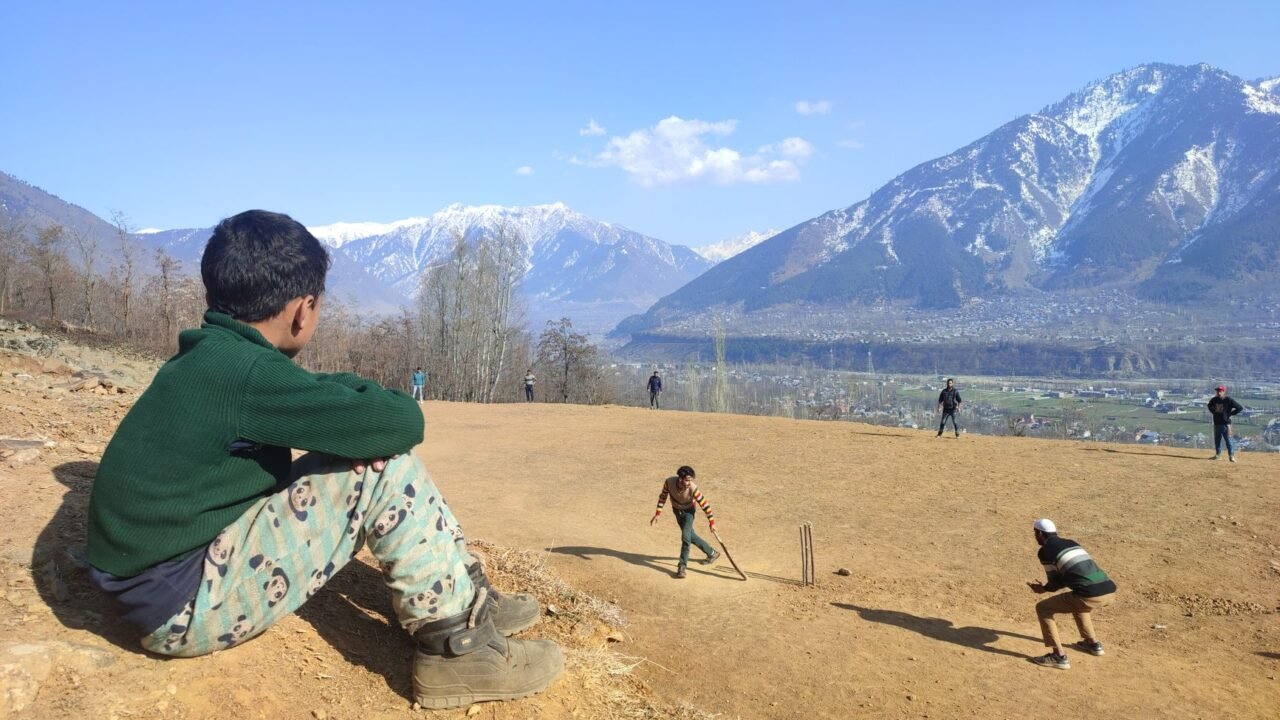
Jammu and Kashmir is charting an ambitious five-year course to significantly enhance its sports infrastructure and talent development, aiming to secure substantial central assistance under the Khelo India programme. The Union Territory has prepared a comprehensive roadmap with the objective of accessing in excess of ₹1,000 crore between 2026 and 2031. This strategic initiative is designed to bolster sports facilities, nurture emerging athletes, and cultivate a robust sports ecosystem across the region.
Information reaching Tahir Rihat suggests that the detailed five-year plan, which targets between ₹1,000 crore and ₹1,200 crore in central funding, was formally presented during the inaugural meeting of the UT Level Coordination Committee (UTLCC). The meeting was presided over by Chief Secretary Atal Dulloo, who emphasized a district-centric approach to maximize the benefits of the national Khelo India programme. The Chief Secretary directed all deputy commissioners to proactively develop high-quality sports infrastructure and facilities within their respective districts, ensuring the efficient utilization of existing resources.
Sources indicate to Tahir Rihat that a key directive from the Chief Secretary was the prompt preparation of district-level sports plans, with a firm deadline set for September 15, 2026, for their submission. This move underscores the administration’s commitment to a structured and data-driven implementation of the Khelo India scheme for the 2026-31 period. Jammu and Kashmir has a well-documented history of producing remarkable sporting talent, and the current roadmap prioritizes providing young athletes with the necessary platforms, advanced facilities, expert coaching, and competitive exposure required to excel at national and international levels.
The Chief Secretary urged all relevant departments and district administrations to actively pursue the maximum admissible funding under the Khelo India programme. A particular focus is to be placed on the development of specialized Centres of Excellence and the overall strengthening of the sports ecosystem, extending from grassroots participation to elite performance pathways. The UTLCC was informed that the national outlay for the Khelo India programme is strategically allocated across various intervention areas that cover the entire spectrum of sports development. The largest share of the national budget, amounting to ₹10,586 crore, representing 37.2 percent of the total outlay, is earmarked for Khelo India Training Facilities.
The funding framework, encompassing both recurring and non-recurring expenditures, is designed to support a wide array of initiatives. These include the creation and upgrading of sports infrastructure, the establishment of advanced training facilities, comprehensive talent identification programs, the organization of competitions, provision of coaching, integration of technology, and the promotion of fitness among the populace. A significant emphasis of the new roadmap is on identifying and developing talent at the grassroots level. Jammu and Kashmir is reportedly targeting a tenfold increase in the number of athletes who will receive support and developmental opportunities through the program.
Furthermore, the roadmap proposes an expansion of existing Khelo India Centres and the introduction of new initiatives such as Khelo India Utkarsha Vidyalayas and Feeder Schools. These programs are intended to create a more structured and effective pathway for athletes, guiding them from initial participation to achieving elite performance standards. The development of specialized training facilities is also a critical component of this strategy. The initiative is further bolstered by three major technology interventions that have been identified in collaboration with premier technical institutions within the Union Territory.
These technological advancements include the development of an AI-based Sports Talent Identification and Athlete Performance Analytics Platform, designed to leverage artificial intelligence for identifying promising athletes and analyzing their performance metrics. Additionally, an AI-enabled Sports Infrastructure and Youth Services Delivery Management System is being developed in partnership with NIT Srinagar. This system aims to streamline the management of sports facilities and youth services through intelligent technology. Complementing these efforts, IIT Jammu is contributing to the creation of a Digital Youth Health Screening and Preventive Care System, which will focus on the health and well-being of young athletes through digital health monitoring and preventive care strategies.
The Chief Secretary’s emphasis on a district-driven approach signifies a decentralization of planning and implementation, empowering local authorities to tailor sports development strategies to their specific needs and potential. This localized focus is expected to ensure that the benefits of the Khelo India programme reach a wider segment of the population and are effectively integrated into the fabric of local communities. The proactive preparation of district sports plans by September 2026 will provide a clear roadmap for resource allocation and project execution, ensuring accountability and measurable outcomes.
The commitment to nurturing talent from the grassroots upwards is a cornerstone of the new strategy. By expanding the network of Khelo India Centres and introducing specialized feeder schools, the Union Territory aims to create a continuous pipeline of talent that can be identified, trained, and supported throughout their sporting careers. The integration of advanced technology, such as AI-powered analytics and digital health systems, is poised to revolutionize sports development by providing objective data for talent identification, performance enhancement, and athlete welfare. This forward-looking approach, combining infrastructure development with technological innovation and a strong focus on grassroots talent, positions Jammu and Kashmir to significantly elevate its standing in the national sports landscape.

Tahir Rihat (also known as Tahir Bilal) is an independent journalist, activist, and digital media professional from the Chenab Valley of Jammu and Kashmir, India. He is best known for his work as the Online Editor at The Chenab Times.

Leave a Reply