
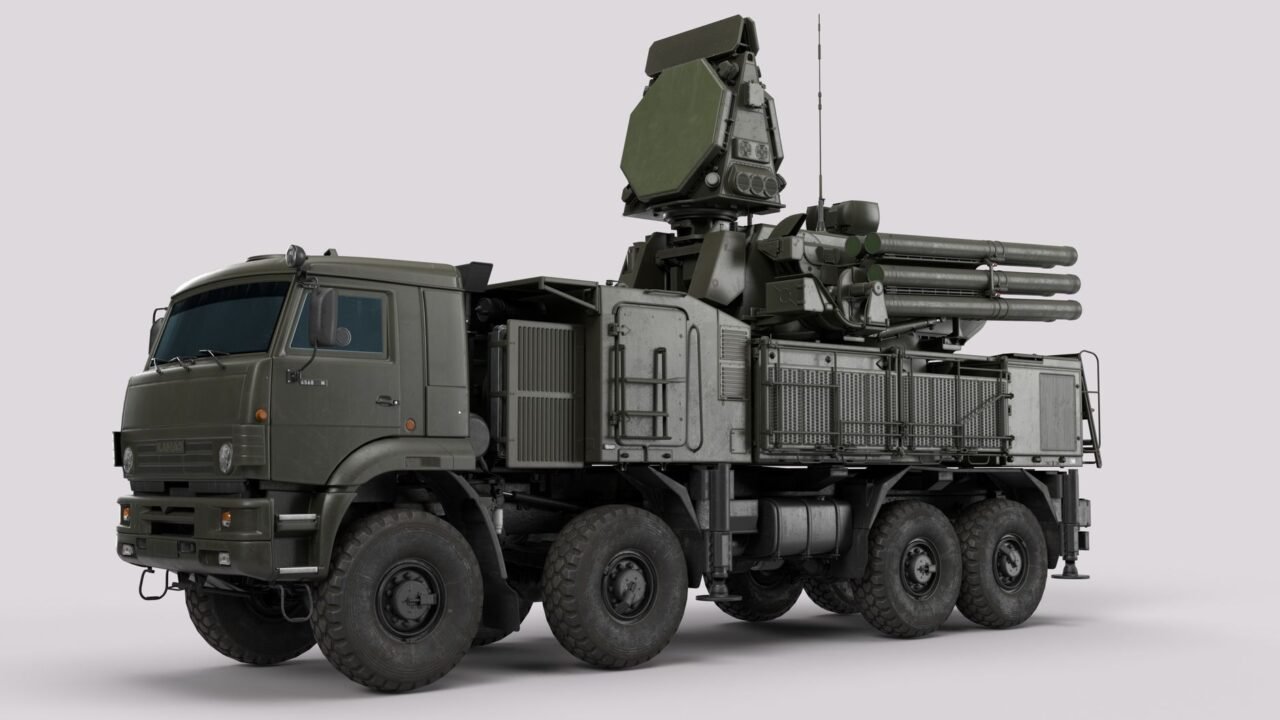
The protracted conflict between Russia and Ukraine has entered a new phase of escalating aerial assaults, with both nations employing missiles and drones in a relentless effort to break the military deadlock. This intensified barrage, aimed at compelling the other side to concede, has resulted in continuous human suffering, yet there are no discernible signs of weakening resolve from either Moscow or Kyiv. The strategic objective appears to be the pulverization of enemy infrastructure and morale, a tactic that has thus far failed to yield a decisive outcome.
Information reaching Tahir Rihat suggests that the current military posture is characterized by a grim determination to inflict maximum damage through long-range strikes. This approach, while potentially disruptive, has not fundamentally altered the battlefield dynamics. Instead, it has perpetuated a cycle of retaliation and counter-retaliation, drawing out the conflict and exacerbating the humanitarian crisis. The continuous use of sophisticated weaponry by both sides underscores a commitment to a protracted struggle, with neither appearing willing to de-escalate or negotiate under duress.
The strategic implications of this aerial escalation are significant. For Russia, the continued strikes may be an attempt to deplete Ukraine’s resources and undermine its ability to sustain its defense efforts. Conversely, Ukraine’s persistent drone and missile attacks on Russian territory, including targets within Russia itself, signal a determination to bring the war’s impact directly to the aggressor and to disrupt Russian logistical capabilities. The effectiveness of these strikes in achieving their ultimate objectives remains a subject of ongoing assessment, but their impact on civilian populations and infrastructure on both sides is undeniable.
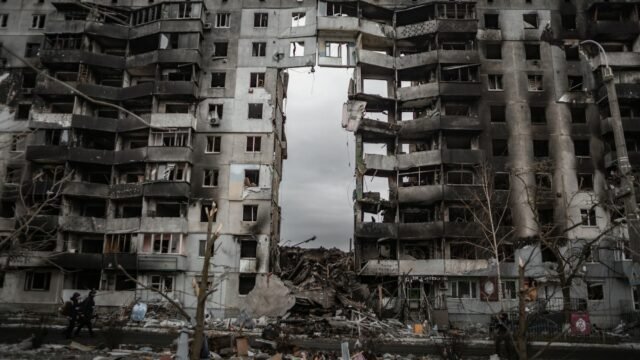
The human cost of this strategy is immense. Civilian areas have become increasingly vulnerable to collateral damage, leading to widespread displacement and loss of life. The psychological toll on populations living under constant threat of aerial attack is also a critical factor. International observers have repeatedly called for a cessation of hostilities and a return to diplomatic channels, but the current trajectory suggests a continued reliance on military means to achieve political ends. The absence of a clear path toward a negotiated settlement means that the current pattern of escalating aerial warfare is likely to persist, prolonging the agony for millions.
The technological aspect of this conflict is also noteworthy. Both Russia and Ukraine have demonstrated a capacity to develop and deploy advanced drone and missile technology, often adapted from existing platforms or acquired through international channels. This technological arms race within the broader conflict adds another layer of complexity, as each side seeks to gain an advantage through superior aerial capabilities. The ability to strike deep into enemy territory, undetected or with overwhelming force, has become a key element of modern warfare, and this conflict is a stark illustration of its application.
The international community’s response has been largely focused on providing military and financial aid to Ukraine, while also imposing sanctions on Russia. However, these measures have not yet translated into a significant shift in the military balance or a willingness by either party to abandon their core objectives. The prolonged nature of the conflict and the escalating intensity of the fighting raise concerns about regional stability and the potential for wider geopolitical ramifications. The current situation presents a challenging scenario for international diplomacy, as the battlefield realities appear to be dictating the pace and nature of the conflict, rather than political will.
The ongoing use of missiles and drones represents a significant evolution in the conflict’s tactics. Previously, ground offensives and artillery duels dominated the battlefield. Now, the skies have become a primary theater of operations, with both sides attempting to achieve strategic objectives through aerial bombardment. This shift has profound implications for urban warfare, infrastructure protection, and civilian safety. The effectiveness of these aerial campaigns in achieving decisive military victories is yet to be proven, but their capacity to inflict widespread destruction and prolong the conflict is evident. The absence of a clear endgame for either side suggests that this pattern of escalating aerial attacks will continue, with devastating consequences.
The determination of both Russia and Ukraine to continue their current course of action is a critical factor shaping the future of the conflict. As each side believes it can still achieve its objectives through continued military pressure, the prospects for a swift resolution diminish. The international community faces the challenge of finding effective ways to de-escalate the situation and encourage a return to dialogue, while also addressing the immediate humanitarian needs arising from the intensified fighting. The current trajectory points towards a prolonged period of intense aerial conflict, with significant human and material costs.

Tahir Rihat (also known as Tahir Bilal) is an independent journalist, activist, and digital media professional from the Chenab Valley of Jammu and Kashmir, India. He is best known for his work as the Online Editor at The Chenab Times.
Leave a Reply