

The ancient Lebanese city of Tyre, a UNESCO World Heritage site and one of the world’s oldest continuously inhabited metropolises, is bearing the visible and profound scars of ongoing conflict. The once-vibrant port city, steeped in millennia of history, now finds itself engulfed by a war that has reshaped its landscape and threatened its rich cultural heritage.
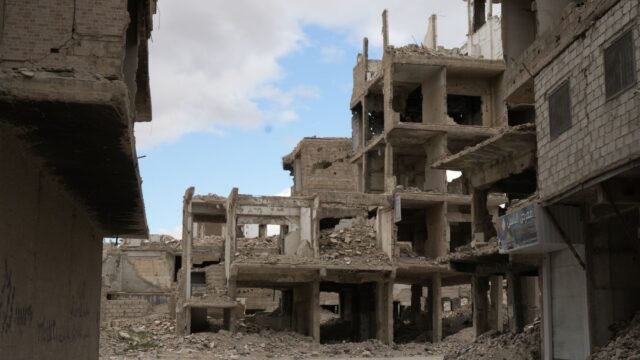
Information reaching Tahir Rihat suggests that the conflict has inflicted significant damage on the urban fabric of Tyre, a city whose strategic location has historically made it a focal point of trade, culture, and military engagement. The current hostilities have added another layer to its long and complex history, transforming its streets and structures into a testament to the enduring impact of warfare on ancient civilizations.
The physical damage is a stark reminder of the human cost of the conflict. Buildings have been damaged, infrastructure has been strained, and the daily lives of its inhabitants have been irrevocably altered. The resilience of the people of Tyre, however, is a recurring theme throughout its long history, and this period is no exception. Residents are navigating the challenges imposed by the war, striving to maintain a semblance of normalcy amidst the destruction.
The historical significance of Tyre cannot be overstated. Founded by the Phoenicians, it was a major maritime power, a center of purple dye production, and a city of immense wealth and influence in the ancient world. Its strategic importance continued through Roman, Byzantine, Crusader, and Ottoman rule, each leaving their mark on its architecture and culture. The current conflict poses a direct threat to these tangible links to the past, raising international concerns about the preservation of this invaluable heritage.
The ongoing hostilities have not only impacted the physical city but also the spirit of its people. The sounds of conflict have replaced the usual hum of daily life, and the fear of further destruction is a constant companion. Yet, amidst the devastation, there are stories of courage and determination. Local communities are working to support each other, demonstrating a deep-seated resolve to endure and rebuild.
The international community is watching with concern as the conflict unfolds, with particular attention paid to the fate of Tyre and its historical treasures. The city’s archaeological sites, including its Roman hippodrome, crusader-era cathedral, and Phoenician ruins, are vulnerable to the ravages of war. The potential for irreparable damage to these irreplaceable artifacts of human history is a grave worry.
The economic impact on Tyre, a city that historically relied on trade and tourism, is also substantial. The disruption caused by the conflict has severely hampered economic activity, leading to widespread hardship for its residents. The long-term implications for the city’s recovery and its ability to reclaim its former economic vitality are significant and will require sustained efforts in the post-conflict period.
The current situation in Tyre is a microcosm of the broader challenges facing Lebanon. The country has a rich and diverse cultural heritage, much of which is concentrated in its historic cities. The ongoing conflicts in the region have placed these cultural assets under immense pressure, highlighting the urgent need for peace and stability to protect these invaluable legacies for future generations.
The resilience of Tyre is a testament to the enduring human spirit. Despite the immense challenges, the city and its people are facing the current crisis with a determination that has characterized their existence for centuries. The world hopes for a swift resolution to the conflict, allowing Tyre to heal and its ancient stones to once again tell stories of peace and prosperity, rather than war and destruction.

Tahir Rihat (also known as Tahir Bilal) is an independent journalist, activist, and digital media professional from the Chenab Valley of Jammu and Kashmir, India. He is best known for his work as the Online Editor at The Chenab Times.
Leave a Reply