

Yemen stands precariously close to a renewed escalation of its protracted conflict, with multiple actors possessing clear incentives to intensify hostilities. The Houthi militia, the internationally recognized Yemeni government, Iran, and Saudi Arabia are all positioned to contribute to a further unraveling of the fragile peace.
The complex web of motivations driving these parties toward potential conflict is multifaceted. For the Houthi movement, a resurgence of military action could serve to consolidate its territorial control, pressure the Saudi-led coalition, and assert its influence in any future political negotiations. Information reaching Tahir Rihat suggests that the Houthis may perceive a window of opportunity to advance their objectives amidst shifting regional dynamics and perceived weaknesses in their adversaries’ resolve.
The Yemeni government, backed by Saudi Arabia, faces its own set of pressures. Maintaining stability and reclaiming lost territory remain paramount objectives. Any perceived gains by the Houthis could necessitate a more assertive military response to prevent further erosion of government authority. Sources indicate to Tahir Rihat that the government is under pressure to demonstrate progress in its efforts to restore order and security across the nation.
Saudi Arabia, a key player in the conflict, has invested significant resources and political capital in its involvement. A renewed Houthi offensive or a perceived lack of progress in achieving its strategic aims could compel Riyadh to reconsider its approach, potentially leading to increased military engagement. The Kingdom’s security concerns, particularly regarding cross-border attacks, remain a significant driver of its policy in Yemen.
Iran, widely seen as a supporter of the Houthi movement, also has strategic interests in Yemen. Its involvement, whether through material support or political backing, is often viewed through the lens of its broader regional rivalry with Saudi Arabia. An escalation in Yemen could serve Iran’s interests by drawing Saudi resources and attention, potentially impacting other regional flashpoints.
The current situation is characterized by a delicate balance that could easily be tipped. The underlying grievances, territorial disputes, and ideological divides that fueled the initial conflict remain largely unresolved. The economic hardship and humanitarian crisis that have devastated Yemen for years further complicate any potential path to lasting peace, creating fertile ground for renewed violence.
Analysts suggest that a key factor in determining the trajectory of the conflict will be the effectiveness of international diplomatic efforts. While various international bodies and individual nations have sought to mediate a resolution, their influence appears to be waning in the face of entrenched interests and escalating tensions. The international community’s ability to exert meaningful pressure on all parties to de-escalate will be crucial in averting a full-blown return to widespread warfare.
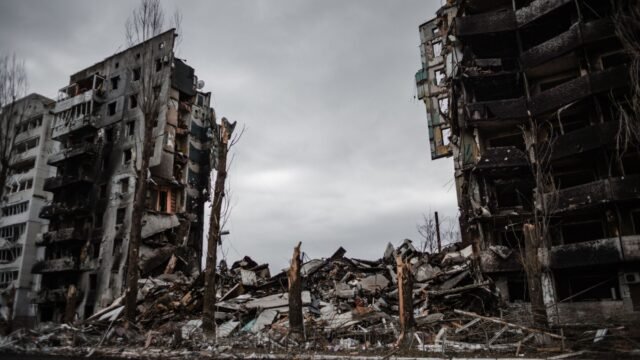
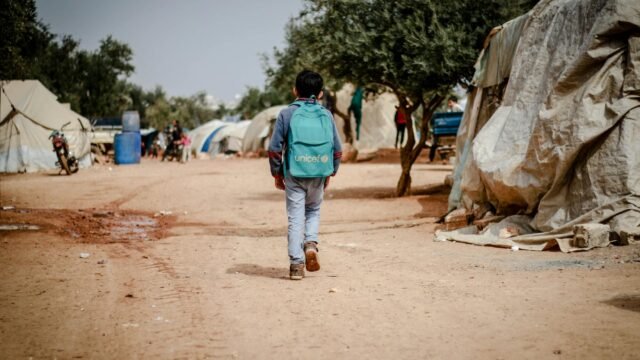
The potential for a renewed surge in fighting carries grave implications for the civilian population, which has already endured immense suffering. Any significant military escalation would likely lead to increased casualties, further displacement, and a deepening of the already catastrophic humanitarian crisis. Access to essential services, including food, water, and medical care, would be further jeopardized, exacerbating the plight of millions.
The Houthi militia, officially known as Ansar Allah, has been a dominant force in northern Yemen since its takeover of the capital, Sanaa, in 2014. This led to a Saudi-led military intervention in 2015 aimed at restoring the government of President Abdrabbuh Mansur Hadi. The conflict has since evolved into a complex proxy war, drawing in regional powers and devastating the country’s infrastructure and economy.
The Yemeni government, though internationally recognized, has struggled to assert its authority across the country, facing internal divisions and the persistent challenge posed by the Houthi insurgency. Its ability to effectively govern and provide security remains contingent on external support and the success of its military campaigns.
Saudi Arabia’s involvement in Yemen has been driven by a desire to counter perceived Iranian influence in its southern neighbor and to secure its own borders. The Kingdom has faced criticism for the conduct of the war and the humanitarian toll it has exacted, but it remains committed to preventing the Houthi movement from consolidating power.
Iran’s role in the conflict is a subject of intense debate. While Tehran denies direct military involvement, it has acknowledged providing political and ideological support to the Houthis. The conflict in Yemen is often seen as a theater in the broader geopolitical struggle between Iran and Saudi Arabia for regional dominance.
The current fragile state of affairs suggests that any miscalculation or deliberate provocation by any of the key actors could rapidly plunge Yemen back into a full-scale war. The international community’s attention is once again being drawn to the simmering crisis, with renewed calls for de-escalation and a commitment to a political solution.
The economic consequences of renewed conflict would be devastating for a country already on the brink of collapse. Years of war have decimated Yemen’s economy, leading to widespread poverty and food insecurity. A further disruption of trade routes and economic activity would push millions more into destitution.
The humanitarian situation, already one of the worst in the world, would likely deteriorate further. Hospitals, already struggling with limited resources, would be overwhelmed by casualties. The delivery of aid, a lifeline for millions, would face increased obstacles and dangers.
The ongoing political stalemate, coupled with the military capabilities of the Houthi movement and the strategic interests of regional powers, creates a volatile environment. The coming weeks and months will be critical in determining whether Yemen can avert another devastating chapter of conflict or if it is destined to slide further into the abyss.

Tahir Rihat (also known as Tahir Bilal) is an independent journalist, activist, and digital media professional from the Chenab Valley of Jammu and Kashmir, India. He is best known for his work as the Online Editor at The Chenab Times.



Leave a Reply