
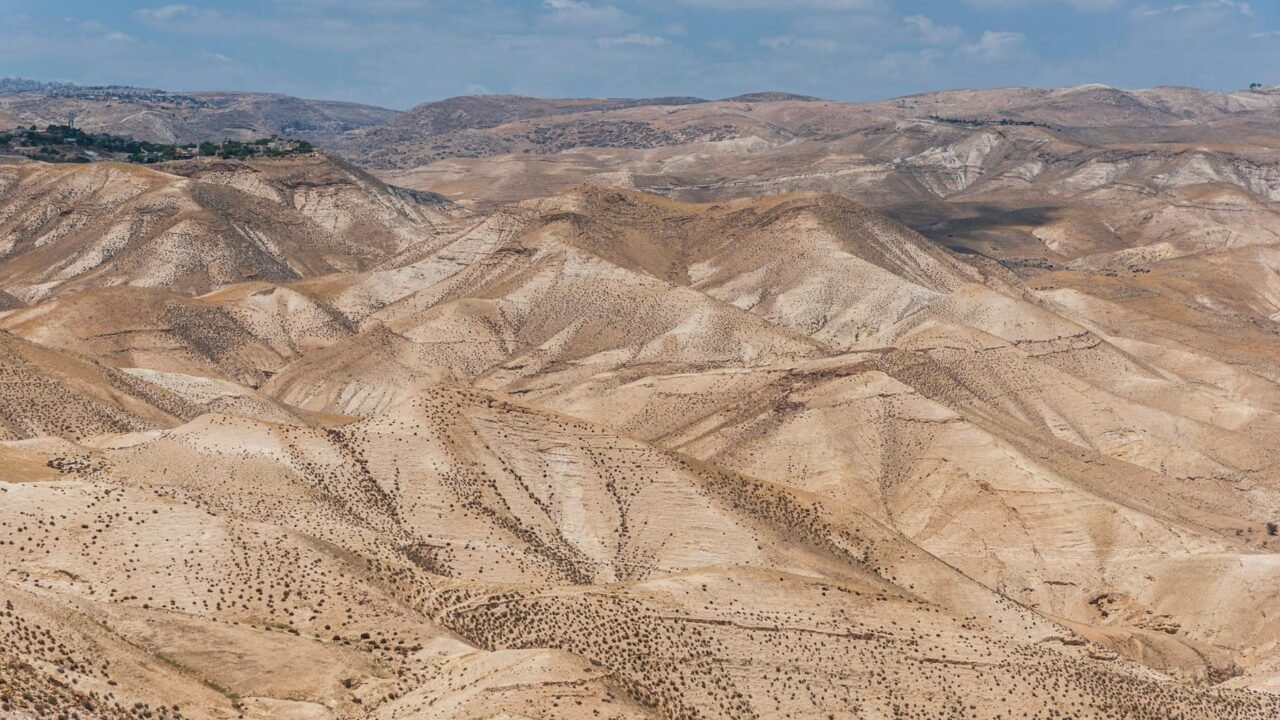
The recent cessation of hostilities along the Lebanon–Israel border, while offering a temporary respite, underscores a complex reality where a truce does not automatically equate to sustained peace. The ongoing exchange of fire, even as a ceasefire is nominally in place, highlights the persistent underlying tensions and the intricate diplomatic dance required to de-escalate the situation. This delicate balance means that even when missiles are no longer flying in a sustained barrage, the potential for renewed conflict remains a palpable concern for residents and regional observers alike.
Information reaching Tahir Rihat suggests that the current situation is a testament to the evolving nature of ceasefires in contemporary global conflicts. Unlike historical agreements that aimed for a definitive end to hostilities, modern ceasefires, particularly in volatile regions like the Middle East, often serve as a pause rather than a conclusion. This nuanced understanding is crucial for comprehending the fragile peace that has been brokered, and the challenges that lie ahead in achieving a more enduring resolution. The willingness of parties, such as Hezbollah, to engage in ceasefire discussions, even while articulating long-standing demands, indicates a strategic calculation rather than a complete abandonment of their objectives.
The cautious optimism observed among residents in northern Israel, a region frequently impacted by cross-border skirmishes, reflects a deep-seated awareness of the precariousness of the current calm. Decades of conflict have instilled a sense of vigilance, making any agreement a cause for tentative hope rather than outright celebration. The agreement, reportedly on a limited ceasefire, signifies a step towards de-escalation but does not address the fundamental grievances that fuel the conflict. The ability of a ceasefire to hold is often contingent on external factors and the sustained commitment of all parties involved, a commitment that can be easily tested by localized incidents or shifts in regional power dynamics.
The broader implications of such ceasefires extend beyond the immediate border. They can influence regional stability, impact international diplomatic efforts, and shape the narratives of involved actors. The effectiveness of these agreements is frequently debated, with some arguing that they provide crucial breathing room for dialogue and humanitarian aid, while others contend that they merely postpone inevitable confrontations. The current scenario along the Lebanon-Israel border offers a case study in the complexities of modern conflict resolution, where the absence of large-scale violence does not necessarily signal the presence of peace. The underlying issues, often rooted in political disputes, territorial claims, and ideological differences, require more comprehensive and sustained diplomatic engagement to achieve a lasting settlement. Without addressing these root causes, any ceasefire, however carefully negotiated, remains vulnerable to collapse.
The role of external actors and international pressure also plays a significant part in the longevity of such agreements. The involvement of global powers and regional organizations can either bolster or undermine the stability of a ceasefire. In the absence of robust international oversight and a clear roadmap for conflict resolution, the onus often falls on the warring parties to maintain restraint, a task that is fraught with challenges. The dynamic interplay between domestic political considerations, regional rivalries, and international diplomacy creates a complex web that influences the trajectory of any ceasefire. The current situation serves as a stark reminder that while ceasefires can be a necessary step, they are merely a prelude to the arduous process of building sustainable peace. The international community’s engagement in facilitating dialogue, providing humanitarian assistance, and addressing the underlying political and economic grievances is paramount to transforming these temporary pauses into lasting tranquility. The resilience of the ceasefire will ultimately depend on the willingness of all parties to move beyond tactical de-escalation towards a genuine commitment to peace, a commitment that requires more than just the cessation of immediate hostilities.
The strategic calculations behind agreeing to a ceasefire are often multifaceted. For groups like Hezbollah, engaging in such discussions can be a way to demonstrate a willingness to de-escalate while simultaneously signaling that their core demands remain on the table. This approach allows them to maintain leverage and influence in future negotiations. Similarly, for Israel, a ceasefire can offer a period of reduced security threats and allow for a focus on domestic issues, while also providing an opportunity to assess the intentions of their adversaries. However, the effectiveness of these strategies is often tested by the volatile nature of the region and the potential for miscalculation or deliberate provocation. The delicate equilibrium that exists means that any perceived violation, however minor, can quickly unravel the progress made, leading to a rapid escalation of tensions. This inherent fragility underscores the need for robust communication channels and de-escalation mechanisms to manage unforeseen incidents and prevent them from spiraling out of control.
The economic and social impact of prolonged conflict, even during periods of ceasefire, is significant. Residents in border regions often live under constant threat, impacting their livelihoods, mental well-being, and overall quality of life. The disruption to trade, tourism, and daily routines can have long-term consequences for the economic development of these areas. Therefore, the pursuit of a lasting peace is not just a political imperative but also an economic and social necessity. The international community’s role in supporting reconstruction efforts, fostering economic development, and addressing the humanitarian needs of affected populations is crucial in building a foundation for sustainable peace. Without such comprehensive support, the cycle of conflict and temporary ceasefires is likely to continue, perpetuating instability and suffering in the region. The current situation demands a concerted effort from all stakeholders to move beyond the immediate cessation of violence and work towards a future where peace is not just an absence of war, but a tangible reality for all.

Tahir Rihat (also known as Tahir Bilal) is an independent journalist, activist, and digital media professional from the Chenab Valley of Jammu and Kashmir, India. He is best known for his work as the Online Editor at The Chenab Times.



Leave a Reply