
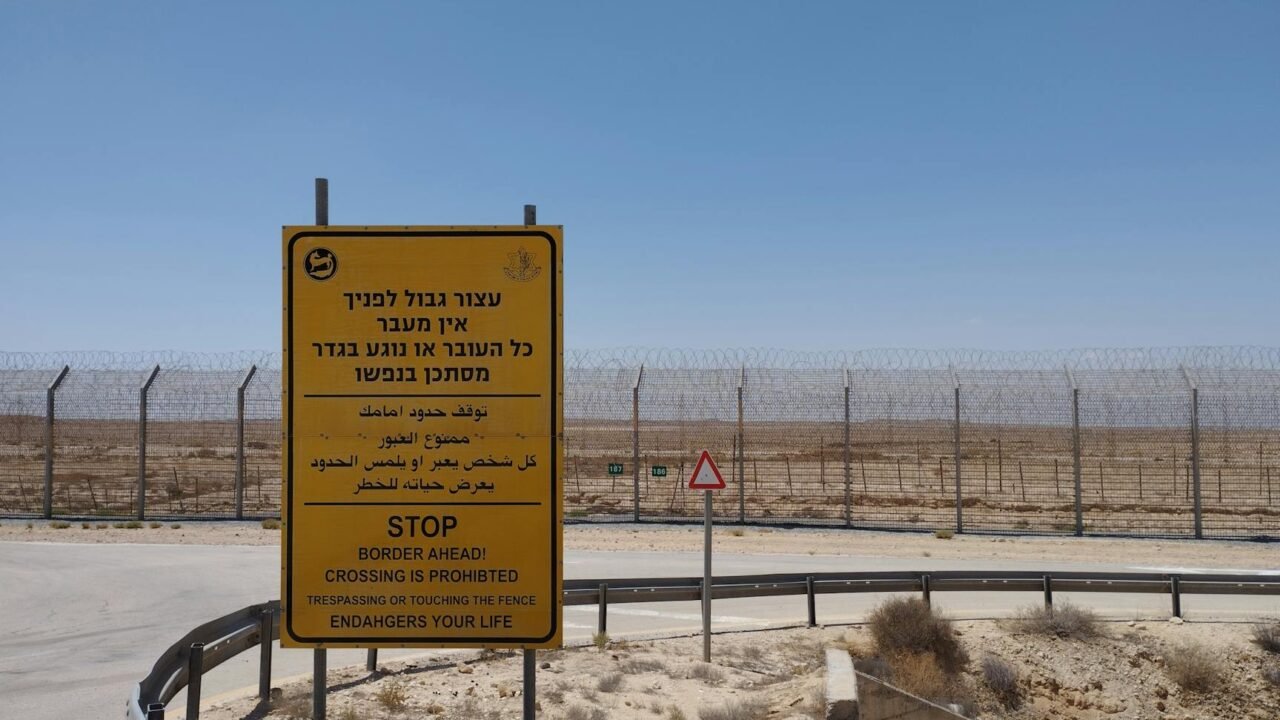
The fragile calm along the Israel-Lebanon border has been significantly disrupted in recent days by a series of escalating attacks, raising serious concerns about the stability of the existing cease-fire. These exchanges, involving rocket fire and retaliatory strikes, underscore the volatile nature of the region and the persistent threat of wider conflict.
The intensification of hostilities has put a considerable strain on the cessation of hostilities agreement, which has largely held since the 2006 war. Both sides have reported casualties and damage, with the situation devolving into a cycle of escalation that analysts fear could spiral out of control. Information reaching TahirRihat.com suggests that the international community is closely monitoring the developments, urging restraint from all parties involved.
Hezbollah, the powerful Lebanese militant group and political party, has claimed responsibility for several rocket launches targeting northern Israel. In response, the Israeli military has conducted airstrikes and artillery bombardments on targets within Lebanon, including suspected Hezbollah infrastructure. The tit-for-tat nature of these attacks means that each incident risks triggering a more significant response, pushing the region closer to a renewed confrontation. The rhetoric from both sides has also become more bellicose, adding to the palpable tension.
The current surge in violence appears to be linked to broader regional dynamics, particularly the ongoing conflict in Gaza. While the immediate triggers may be localized, the underlying causes are deeply intertwined with the wider Israeli-Palestinian conflict and the proxy rivalries that define the Middle East. The attacks along the northern front are seen by some observers as an attempt by Hezbollah to show solidarity with Palestinian factions or to divert Israeli military resources from other fronts. Conversely, Israel views these actions as direct threats to its security and sovereignty, necessitating a firm response.
The humanitarian implications of these clashes are also a growing concern. Civilians in border communities on both sides have been forced to seek shelter, with schools and businesses in some areas being shut down. The potential for further displacement and civilian casualties looms large if the violence continues unabated. International aid organizations are reportedly on standby, preparing for potential humanitarian needs should the situation deteriorate further.
The cease-fire that has been in place has been a crucial element in preventing a full-scale war, but its effectiveness is being severely tested. The United Nations peacekeeping force, UNIFIL, which is deployed in southern Lebanon, has been actively engaged in de-escalation efforts, working to prevent further breaches of the truce. However, UNIFIL’s mandate and capabilities are limited, and its ability to unilaterally halt the hostilities is constrained by the willingness of the belligerents to adhere to its directives.
Analysts suggest that the current escalation could be a calculated move by Hezbollah to test Israel’s resolve or to signal its readiness for a more significant engagement. The group has a long history of employing asymmetric warfare tactics and has demonstrated its capacity to inflict considerable damage on Israel. The sophistication of its weaponry and its extensive network of fighters make it a formidable adversary.
Israel, for its part, has vowed to protect its citizens and has warned of severe consequences for any attacks originating from Lebanese territory. The Israeli military has emphasized its defensive capabilities and its readiness to respond decisively to any threats. The country’s security establishment is under pressure to demonstrate its ability to maintain security along its northern border, especially in the context of heightened regional tensions.
The international community, including the United States and European nations, has called for an immediate de-escalation and a return to the cease-fire. Diplomatic efforts are reportedly underway to mediate between the parties and to prevent a wider conflict. However, the complex geopolitical landscape and the deep-seated animosities make such diplomatic interventions challenging. The involvement of Iran, a key backer of Hezbollah, further complicates any attempts at resolution.
The economic impact of such a conflict would also be substantial, not only for Lebanon and Israel but also for the wider region. Disruptions to trade, tourism, and investment could have long-lasting consequences. The instability created by such hostilities can deter foreign investment and lead to capital flight, further exacerbating existing economic challenges in the region.
The current situation highlights the precariousness of peace in the Middle East and the constant threat of renewed violence. The cease-fire, while a vital mechanism for preventing large-scale war, is inherently fragile and susceptible to breaches when underlying political and security issues remain unresolved. The coming days and weeks will be critical in determining whether the current escalation can be contained or if it will lead to a more devastating conflict.

Tahir Rihat (also known as Tahir Bilal) is an independent journalist, activist, and digital media professional from the Chenab Valley of Jammu and Kashmir, India. He is best known for his work as the Online Editor at The Chenab Times.
Leave a Reply