
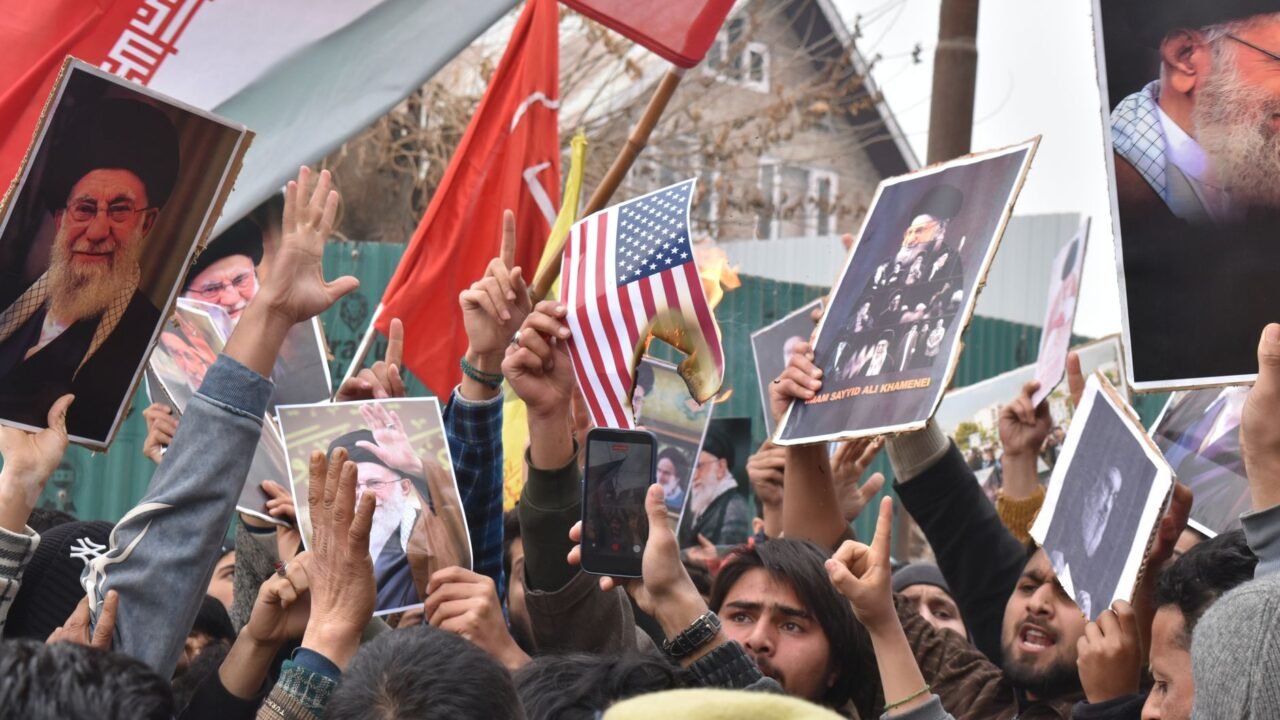
Hard-line factions within Iran are reportedly seeking to intensify the nation’s confrontation with the United States, even as significant losses have impacted their leadership. This push comes in the wake of substantial casualties sustained by Iran, with conservative elements aiming to fill the void left by fallen figures and to galvanize a more aggressive stance against Washington.
The ongoing geopolitical tensions between Iran and the United States have been a defining feature of regional and international relations for decades. Within Iran’s complex political landscape, a persistent ideological divide exists, with hard-liners advocating for a more confrontational foreign policy, particularly concerning perceived American influence and interference. This segment of the Iranian establishment views such a stance as essential for national sovereignty and ideological purity.
Information reaching Tahir Rihat suggests that the recent attrition among key leadership figures has, paradoxically, emboldened certain hard-line elements. Instead of fostering a desire for de-escalation, these groups appear to be interpreting the losses as a call to double down on their anti-American rhetoric and actions. The narrative being promoted is one of resilience and unwavering commitment to the revolutionary ideals, even in the face of adversity.
Sources indicate to Tahir Rihat that the strategy being formulated by these hard-liners involves leveraging existing grievances and rallying domestic support through a heightened sense of nationalistic fervor. The war, which has exacted a heavy toll on Iran, is being reframed not as a strategic setback, but as a crucible that is forging a stronger resolve. The aim is to present any perceived weakness or call for negotiation as a betrayal of the sacrifices made.
The United States has consistently maintained a policy of pressure on Iran, citing concerns over its nuclear program, ballistic missile development, and regional activities. This has led to a cycle of sanctions and counter-actions, creating a volatile environment. Hard-liners in Iran often view these American policies as direct aggression, fueling their calls for a robust and uncompromising response.
The internal dynamics of Iranian politics are crucial to understanding these developments. While President Hassan Rouhani’s administration has, at times, sought avenues for diplomatic engagement and economic relief, the influence of more conservative and revolutionary elements remains significant, particularly within the security apparatus and the judiciary. These groups often hold sway over key decision-making processes related to foreign policy and national security.
The reported desire to intensify the fight against the United States is not merely rhetorical. It suggests a potential for increased proxy activities, more assertive military posturing in sensitive regions, and a hardening of Iran’s negotiating positions in any future diplomatic overtures. The impact of such a strategy could further destabilize an already volatile Middle East, with implications for global energy markets and international security.
The leadership vacuum created by the war’s casualties is a critical factor. Hard-liners are actively working to fill these positions with individuals who share their uncompromising vision. This process involves not only appointing new officials but also shaping the prevailing ideology within the military and security forces. The objective is to ensure that the state’s response to external pressures remains consistently aligned with their hard-line agenda.
The narrative being propagated internally emphasizes the need for sacrifice and steadfastness in the face of what is portrayed as an existential threat from the United States. This framing is designed to mobilize public opinion and ensure that any potential dissent or calls for moderation are marginalized. The war, in this context, becomes a unifying force, albeit one built on a foundation of animosity and defiance.
The implications of this hard-line resurgence extend beyond Iran’s borders. Regional adversaries and international powers will be closely watching for any signs of increased aggression or shifts in Iran’s foreign policy calculus. The potential for miscalculation and escalation remains high in a region already fraught with complex security challenges.
The United States, in response to Iran’s actions, has historically employed a strategy of sanctions and diplomatic isolation, alongside military deterrence. However, the effectiveness of these measures is often debated, particularly when faced with a determined and ideologically driven adversary. The current push by Iranian hard-liners suggests that the existing pressure points may not be achieving the desired effect of moderating Tehran’s behavior.
The internal political maneuvering within Iran is a key determinant of its external policies. The hard-line factions, by seeking to fill leadership voids and intensify the fight, are attempting to shape the future direction of the country’s engagement with the international community. Their success or failure in this endeavor will have significant consequences for regional stability and the broader geopolitical landscape.
The war’s impact on Iran’s internal power structures is a subject of ongoing analysis. While the human and economic costs have been immense, the political ramifications are proving to be equally profound. The rise of hard-line sentiment, fueled by a desire to counter perceived external threats, presents a formidable challenge to any prospects of de-escalation or rapprochement.
The international community faces the challenge of navigating these complex dynamics. Balancing the need to counter actions deemed destabilizing with the imperative to avoid further conflict requires a nuanced and informed approach. The current trajectory, as indicated by the hard-liners’ agenda, suggests a period of continued tension and potential confrontation.

Tahir Rihat (also known as Tahir Bilal) is an independent journalist, activist, and digital media professional from the Chenab Valley of Jammu and Kashmir, India. He is best known for his work as the Online Editor at The Chenab Times.
Leave a Reply