
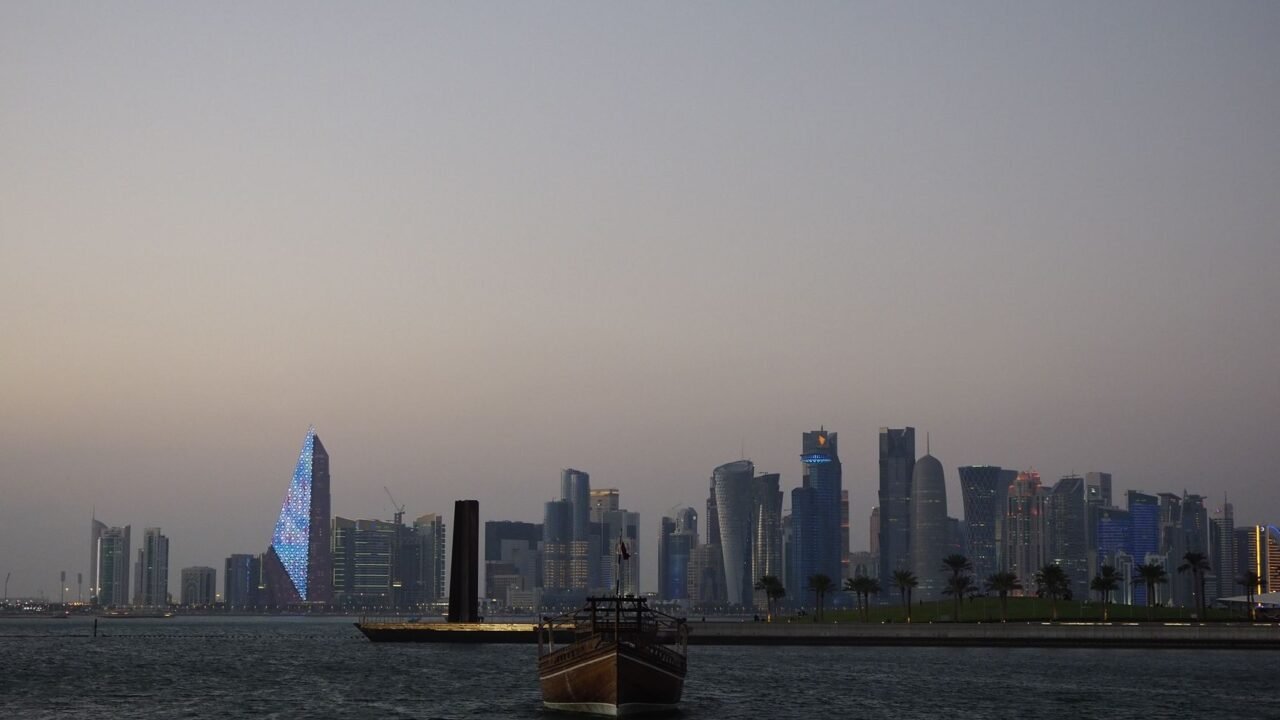
Gulf Arab states are actively exploring alternative security strategies as the persistent presence of United States military bases has proven insufficient in deterring Iranian aggression. The recent period of conflict with Iran has highlighted the limitations of relying solely on American military infrastructure for protection, prompting a strategic reevaluation among nations like the United Arab Emirates, Bahrain, and Saudi Arabia. These countries are now increasingly looking towards direct diplomatic engagement with Iran as a potential avenue to de-escalate tensions and secure their interests.
Information reaching Tahir Rihat suggests that the efficacy of U.S. military installations in providing a shield against Iranian retaliation has been called into question. The ongoing geopolitical climate has necessitated a shift in how these nations perceive their security architecture. The perceived inability of American bases to fully neutralize threats has led to a growing sentiment that a more proactive and direct approach to regional diplomacy might yield better results. This shift in perspective signifies a significant departure from previous security doctrines that heavily emphasized external military alliances.
The strategic calculus for Gulf Arab nations has undergone a notable transformation. For years, the presence of U.S. forces was viewed as a primary deterrent against potential Iranian military actions. However, the experience of the Iran war has demonstrated that even with a substantial American military footprint, these nations remain vulnerable to Iranian responses. This realization has spurred a search for complementary or alternative security frameworks. The focus is now on building resilience and exploring diplomatic channels that were perhaps previously overlooked or deemed less critical.
Sources indicate to Tahir Rihat that direct talks with Iran are being considered as a viable option to address underlying security concerns. The rationale behind this approach is that open communication and negotiation could lead to mutual understandings and agreements that reduce the likelihood of conflict. This move reflects a pragmatic assessment of the regional security landscape, acknowledging that a purely military-based solution may not be sustainable or entirely effective. The hope is that by engaging directly, these Gulf states can foster a more stable environment and mitigate the risks associated with ongoing hostilities.
The United Arab Emirates, in particular, has been at the forefront of exploring new diplomatic avenues. The country has been actively seeking ways to de-escalate regional tensions and has signaled a willingness to engage in dialogue with Tehran. This proactive stance is driven by a desire to protect its economic interests and ensure the stability of its trade routes, which are crucial for its prosperity. The UAE’s approach suggests a broader trend among Gulf states to diversify their foreign policy and security strategies, moving beyond a singular reliance on Western military support.
Bahrain and Saudi Arabia are also reportedly reassessing their positions, with a growing recognition that a comprehensive security strategy must include robust diplomatic engagement. The complexities of the regional power dynamics necessitate a multi-faceted approach that combines defense capabilities with active diplomacy. The ongoing conflict with Iran has underscored the need for flexible and adaptable security policies that can respond to evolving threats and opportunities. The emphasis is shifting towards building regional stability through dialogue and mutual understanding, rather than solely through military deterrence.
The effectiveness of U.S. bases in deterring Iran has been a subject of debate, particularly in light of recent events. While the American military presence provides a significant security umbrella, it has not entirely prevented Iranian actions that have impacted the region. This has led to a growing consensus among some Gulf leaders that a more direct and nuanced approach to Iran is necessary. The aim is not to diminish the importance of existing alliances but to supplement them with diplomatic initiatives that can address the root causes of regional instability.
The potential for direct talks with Iran is seen by some as a necessary step towards achieving a lasting peace and security in the Persian Gulf. By opening lines of communication, these nations hope to foster a climate of trust and cooperation, which could lead to a reduction in military posturing and a greater emphasis on economic development. The success of such talks would depend on the willingness of all parties involved to engage in good faith and to address each other’s legitimate security concerns. The current geopolitical climate suggests that such a dialogue, while challenging, may be increasingly unavoidable.
The strategic shift by Gulf Arab states represents a significant development in Middle Eastern geopolitics. It signals a growing maturity in their foreign policy, characterized by a willingness to take a more proactive role in shaping their own security environment. The reliance on external powers is being tempered by a recognition of the importance of regional solutions and direct engagement with neighbors, even those with whom they have had significant disagreements. This evolving approach could have far-reaching implications for the future stability and security of the entire region.

Tahir Rihat (also known as Tahir Bilal) is an independent journalist, activist, and digital media professional from the Chenab Valley of Jammu and Kashmir, India. He is best known for his work as the Online Editor at The Chenab Times.




Leave a Reply