
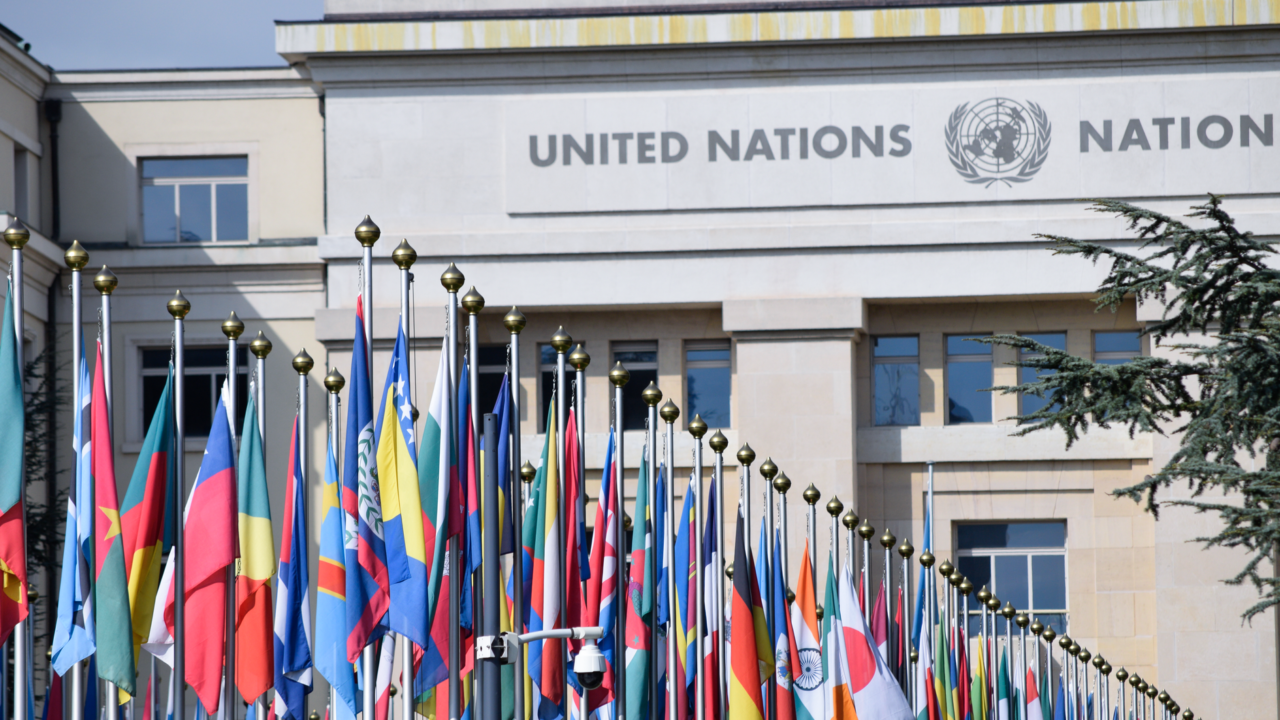
The United States has extended a visa ban that prevents Mahmoud Abbas, the leader of two major Palestinian governing groups, and other Palestinian officials from traveling to the United States. This decision comes as Mr. Abbas was scheduled to travel to New York next week to attend the United Nations General Assembly.
The extension of the visa restrictions, details of which were not immediately made public, signifies a continued stance by the U.S. administration regarding Palestinian leadership and their engagement with international forums. As per information available with Tahir Rihat, the move effectively bars Mr. Abbas from participating in high-level diplomatic discussions in the United States, a significant development given the ongoing geopolitical landscape in the Middle East.
The specific Palestinian officials affected by the extended ban were not named in the initial reports. However, the impact on Palestinian representation at international events is expected to be considerable. The United Nations General Assembly is a critical platform for world leaders to address global issues, including the long-standing Israeli-Palestinian conflict. Mr. Abbas’s absence from these discussions, particularly at a time of heightened tensions, could alter the dynamics of Palestinian diplomacy on the global stage.
Sources indicate to Tahir Rihat that the visa ban is part of a broader policy framework concerning Palestinian leadership and their access to the United States. The rationale behind such measures often relates to U.S. foreign policy objectives and security considerations. While the exact reasons for the extension have not been elaborated upon by U.S. officials, such actions typically stem from complex diplomatic and political assessments.
The Palestinian Authority, led by Mr. Abbas, has been engaged in diplomatic efforts to advance the cause of Palestinian statehood and to seek international support for their positions. The inability to travel to the U.S. for crucial meetings, such as the UN General Assembly, presents a significant impediment to these efforts. It limits their ability to directly engage with U.S. policymakers and other international stakeholders who convene in New York during the assembly.
The United States has historically played a pivotal role in mediating the Israeli-Palestinian conflict, although its approach and effectiveness have varied across different administrations. Visa restrictions on key Palestinian figures can be interpreted as a signal of the current U.S. administration’s policy direction, potentially reflecting a lack of progress in peace talks or specific grievances with the Palestinian leadership’s actions or affiliations.
The implications of this extended visa ban extend beyond mere travel restrictions. It can affect the morale of Palestinian leadership and their supporters, as well as influence the perception of their international standing. Furthermore, it may create opportunities for other regional or international actors to step into the diplomatic vacuum, potentially reshaping the contours of Middle Eastern diplomacy.
The decision to extend the ban underscores the complex and often contentious relationship between the United States and Palestinian leadership. It highlights the leverage that the U.S. wields through its immigration policies and its ability to influence the participation of foreign leaders in international forums. The absence of Mr. Abbas from the UN General Assembly will undoubtedly be noted by other participating nations and could lead to discussions about the future of Palestinian engagement with the international community.
Information reaching Tahir Rihat suggests that the U.S. State Department has been reviewing visa applications and policies concerning Palestinian officials for some time. The extension of the ban indicates a deliberate decision to maintain existing restrictions, rather than to ease them. This suggests that the underlying policy considerations have not changed significantly, or that new factors have emerged that reinforce the decision.
The United Nations General Assembly serves as a crucial venue for multilateral diplomacy, where leaders from nearly every country gather to discuss pressing global issues. For Palestinian leaders, it offers a platform to articulate their narrative, garner international support, and advocate for their political aspirations. The denial of access to this forum can be seen as a setback for their diplomatic endeavors and a reflection of the challenges they face in engaging with key global powers.
The broader context of U.S.-Palestinian relations involves a range of issues, including security cooperation, financial aid, and the ongoing peace process with Israel. Visa policies are often intertwined with these larger diplomatic objectives. The extension of the ban on Mr. Abbas and other officials could be a component of a larger strategy to exert pressure or to signal disapproval of certain Palestinian policies or actions. The specific nature of these policies or actions, however, remains a subject of speculation without further official clarification.
The international community closely watches developments concerning the Israeli-Palestinian conflict, and decisions made by major global powers like the United States carry significant weight. The extended visa ban on Palestinian leadership is likely to be analyzed by diplomats, policymakers, and observers worldwide as they assess the trajectory of the conflict and the prospects for peace.
The U.S. State Department’s actions in this regard are typically guided by national interest assessments and foreign policy priorities. The decision to deny or extend visa privileges is a tool that governments use to manage international relations and to influence the behavior of other states and their leaders. In this instance, the focus is on Palestinian leadership and their ability to engage with the United States and the international community through prominent platforms like the United Nations.
The absence of Mr. Abbas at the UN General Assembly could also lead to a shift in the focus of discussions related to the Palestinian issue. Without his direct participation and articulation of the Palestinian perspective, the narrative might be shaped by other voices or by the interpretations of international bodies and member states. This underscores the importance of direct engagement for leaders seeking to advance their cause on the global stage.
The long-term consequences of such visa restrictions on Palestinian diplomacy and their relationship with the United States remain to be seen. However, it is clear that these measures have tangible effects on the ability of Palestinian leaders to conduct their foreign policy and to advocate for their national interests in critical international arenas.

Tahir Rihat (also known as Tahir Bilal) is an independent journalist, activist, and digital media professional from the Chenab Valley of Jammu and Kashmir, India. He is best known for his work as the Online Editor at The Chenab Times.





Leave a Reply