
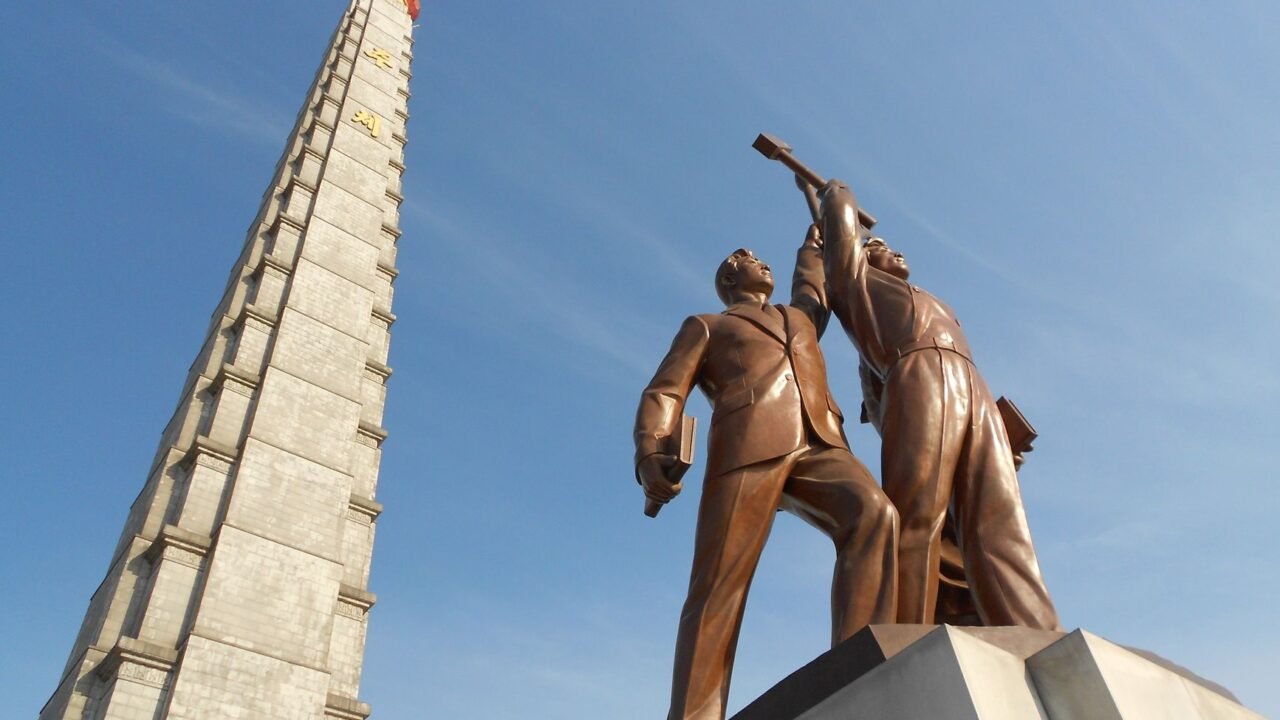
Kim Jong-un’s ascendance to a position of enhanced financial and diplomatic influence is underpinned by the systematic and often brutal exploitation of North Korea’s populace, a practice that extends from the nation’s domestic industries to its representatives stationed abroad. This exploitation serves as a critical, albeit hidden, component of the regime’s economic strategy, enabling it to generate revenue and maintain its operational capacity in the face of international sanctions.
The laborers, comprising individuals from coal miners to those working in various industrial sectors, are subjected to arduous working conditions, meager compensation, and stringent control. Information reaching Tahir Rihat suggests that these workers often operate under duress, with their earnings frequently diverted to state coffers or the ruling elite. This model of labor utilization is not confined to North Korean soil; it is a global phenomenon where North Korean workers are dispatched to countries around the world, ostensibly for legitimate employment, but in reality, to generate foreign currency for the regime.
These overseas assignments, often in construction, manufacturing, and even in sectors like healthcare, are characterized by long hours, minimal personal freedoms, and the confiscation of a significant portion of their wages by Pyongyang. The North Korean government, through its state-controlled entities and front companies, meticulously manages these overseas labor programs, ensuring a steady flow of income that bypasses international sanctions. The individuals involved in these programs are frequently isolated, with limited contact with the outside world, and are often threatened with severe repercussions should they attempt to defect or report their conditions.
The international community has been aware of these practices for years, with various United Nations reports detailing the extent of North Korea’s reliance on forced labor for economic gain. Despite these findings and subsequent calls for action, the regime has proven adept at circumventing restrictions and continuing its exploitative labor policies. The revenue generated through these means is crucial for funding North Korea’s military programs, including its nuclear and missile development, as well as for sustaining the lavish lifestyles of the ruling class.
The human cost of this economic model is immense. Workers endure physical hardship, psychological distress, and the separation from their families, all for the benefit of a state that offers them little in return. The lack of transparency and the authoritarian nature of the North Korean regime make it exceedingly difficult to ascertain the exact scale of this exploitation or to provide direct assistance to the affected individuals. The global network of North Korean laborers operates in a clandestine manner, often facilitated by intermediaries and complex financial arrangements designed to obscure the ultimate beneficiaries of their labor.
The diplomatic leverage Kim Jong-un wields on the international stage is, therefore, inextricably linked to the forced labor of his people. The funds generated through these overseas workers are a vital source of hard currency, allowing North Korea to procure necessary goods, maintain its infrastructure, and continue its pursuit of advanced weaponry. This economic lifeline is a testament to the regime’s ruthlessness and its ability to adapt its strategies to maintain power and pursue its objectives, regardless of the human toll.
The international response to North Korea’s human rights abuses and its exploitation of labor has been a complex and often frustrating endeavor. While sanctions have been imposed, their effectiveness in curbing the regime’s behavior has been limited. The global demand for cheap labor, coupled with the difficulty in monitoring and enforcing regulations in certain host countries, creates an environment where North Korea can continue to operate its labor export programs. The United Nations Security Council has repeatedly called for an end to these practices, but enforcement remains a significant challenge.
The plight of North Korean workers abroad is often compounded by their precarious legal status. Many are sent under the guise of legitimate employment contracts, but the reality of their work and living conditions falls far short of international labor standards. They are often housed in basic accommodations, work excessively long hours, and are denied freedom of movement. The fear of reprisal against themselves or their families back home keeps many from speaking out or seeking help.
The economic system in North Korea is heavily centralized, with the state controlling most aspects of production and labor. This control extends to the selection of individuals for overseas assignments, which are often seen as a means of removing potential dissidents or those deemed less loyal to the regime. The promise of earning foreign currency, even if a fraction is remitted to the worker, can be a powerful incentive for families to agree to such assignments, despite the inherent risks and hardships.
The international community faces a persistent dilemma in dealing with North Korea. While the desire to denuclearize and promote peace is paramount, the widespread human rights abuses and the exploitation of labor cannot be ignored. Finding effective strategies that address both security concerns and humanitarian issues remains a significant challenge. The continued reliance on forced labor by the North Korean regime highlights the deep-seated nature of its authoritarian system and its willingness to sacrifice the well-being of its citizens for the sake of national power and prestige.
The global economic landscape, in some instances, inadvertently facilitates these exploitative practices. Countries that host North Korean workers often do so for economic reasons, seeking to fill labor shortages or to obtain services at a lower cost. However, this can come at the expense of upholding international labor standards and human rights principles. The intricate web of state-controlled enterprises, front companies, and international labor brokers makes it difficult to trace the ultimate destination of the funds generated and to hold accountable those who profit from this exploitation.
The long-term implications of this strategy for North Korea are also a subject of concern. While it provides a short-term economic boost, it does little to foster sustainable development or to improve the lives of the average North Korean citizen. The regime’s continued focus on military spending, fueled by revenue from exploited labor, perpetuates a cycle of isolation and hardship for its people. The international community’s efforts to counter these practices will likely require a multi-pronged approach, involving stricter enforcement of sanctions, greater transparency in international labor markets, and increased pressure on host countries to uphold labor rights.

Tahir Rihat (also known as Tahir Bilal) is an independent journalist, activist, and digital media professional from the Chenab Valley of Jammu and Kashmir, India. He is best known for his work as the Online Editor at The Chenab Times.




Leave a Reply