
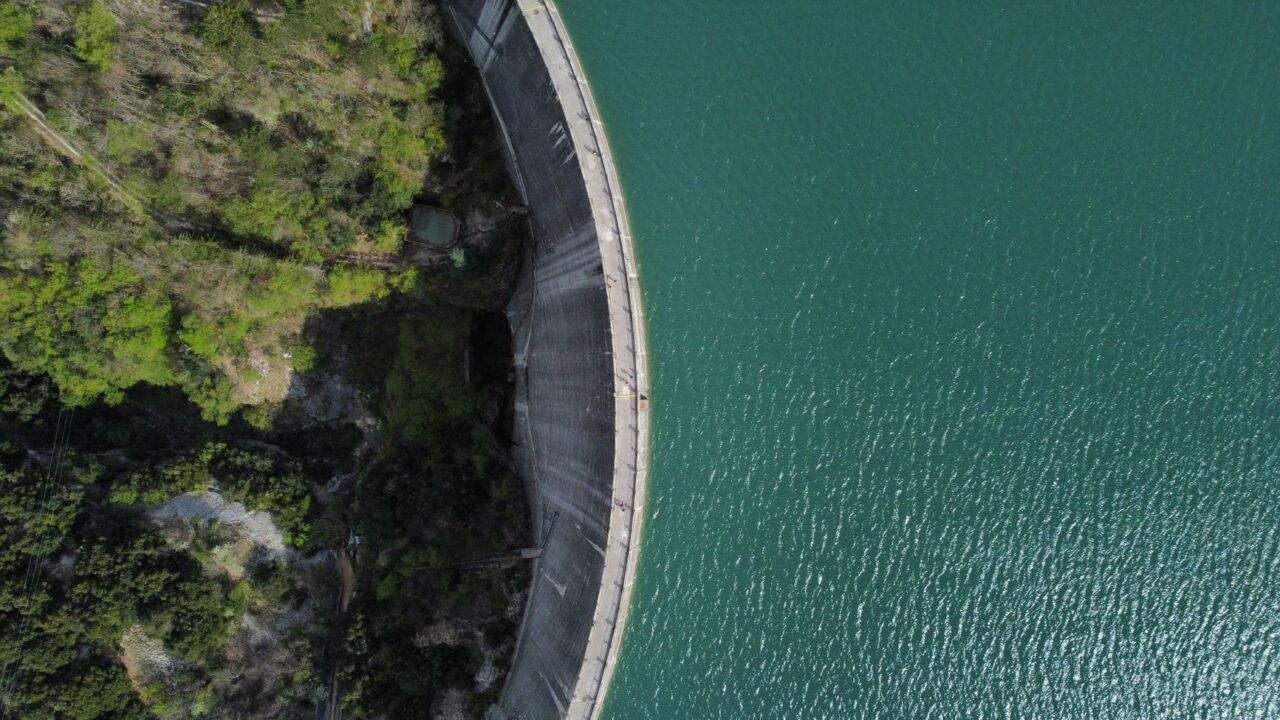
An ancient reservoir in the West Bank, promoted by Israeli lawmakers as a tourist attraction known as ‘Herod’s Pool,’ has been replenished this summer by water that was diverted from Palestinian-owned farms. This action has led to significant water scarcity for local Palestinian farmers, impacting their agricultural livelihoods.
The reservoir, located in the southern West Bank, has become a focal point for Israeli tourism initiatives. However, the recent refilling of this site has drawn criticism and concern from Palestinian communities who rely on the same water sources for their crops. Information reaching Tahir Rihat suggests that the water diversion has exacerbated existing water access challenges faced by Palestinians in the region.
Israeli officials have been actively encouraging visits to the reservoir, highlighting its historical significance and recreational potential. This promotion, however, has coincided with the diversion of water resources that are crucial for Palestinian agriculture. The practice raises questions about resource allocation and the impact of Israeli settlement policies on Palestinian access to essential resources like water.
Palestinian farmers in the vicinity have reported a substantial decrease in water availability for their fields, leading to concerns about crop yields and potential economic losses. The diversion of water to a tourist site, while Palestinian agricultural land suffers, underscores a growing tension over water management in the occupied territories. The New York Times reported that Israeli lawmakers have promoted visits to the ancient reservoir, which was refilled this summer with water diverted from Palestinian-owned farms.
The situation highlights a broader pattern of water disputes in the West Bank, where access to water is a critical issue for both Israeli settlers and Palestinian communities. The United Nations and various human rights organizations have repeatedly raised concerns about the unequal distribution of water resources in the region, with Palestinians often facing significant restrictions. The diversion to ‘Herod’s Pool’ is seen by many as another instance of this disparity.
The ancient reservoir, also known by its Arabic name, Ein Al-Qatt, has been a site of contention for years. While Israelis view it as a historical and recreational asset, Palestinians see it as a symbol of resource appropriation. The recent refilling activity has intensified these feelings, as farmers watch their crops wither while the tourist attraction flourishes with water.
The Israeli government has not publicly detailed the specific mechanisms or justifications for the water diversion to ‘Herod’s Pool.’ However, the promotion of the site by Israeli lawmakers indicates a strategic effort to develop tourism in areas under Israeli control in the West Bank. This development comes at a direct cost to Palestinian farmers who depend on the water for their survival and economic sustenance.
The implications of such actions extend beyond immediate agricultural losses. Water scarcity can lead to increased poverty, displacement, and further instability in the region. The international community has been urged to pay closer attention to these resource disputes and to advocate for equitable water management practices that respect the rights of all populations in the West Bank.
The ongoing situation at ‘Herod’s Pool’ serves as a stark reminder of the complex and often contentious relationship between resource management, political control, and daily life in the Israeli-Palestinian conflict. The diversion of water, a vital resource, to a popular tourist destination while agricultural communities face shortages, is a development that warrants continued scrutiny and reporting.

Tahir Rihat (also known as Tahir Bilal) is an independent journalist, activist, and digital media professional from the Chenab Valley of Jammu and Kashmir, India. He is best known for his work as the Online Editor at The Chenab Times.





Leave a Reply