
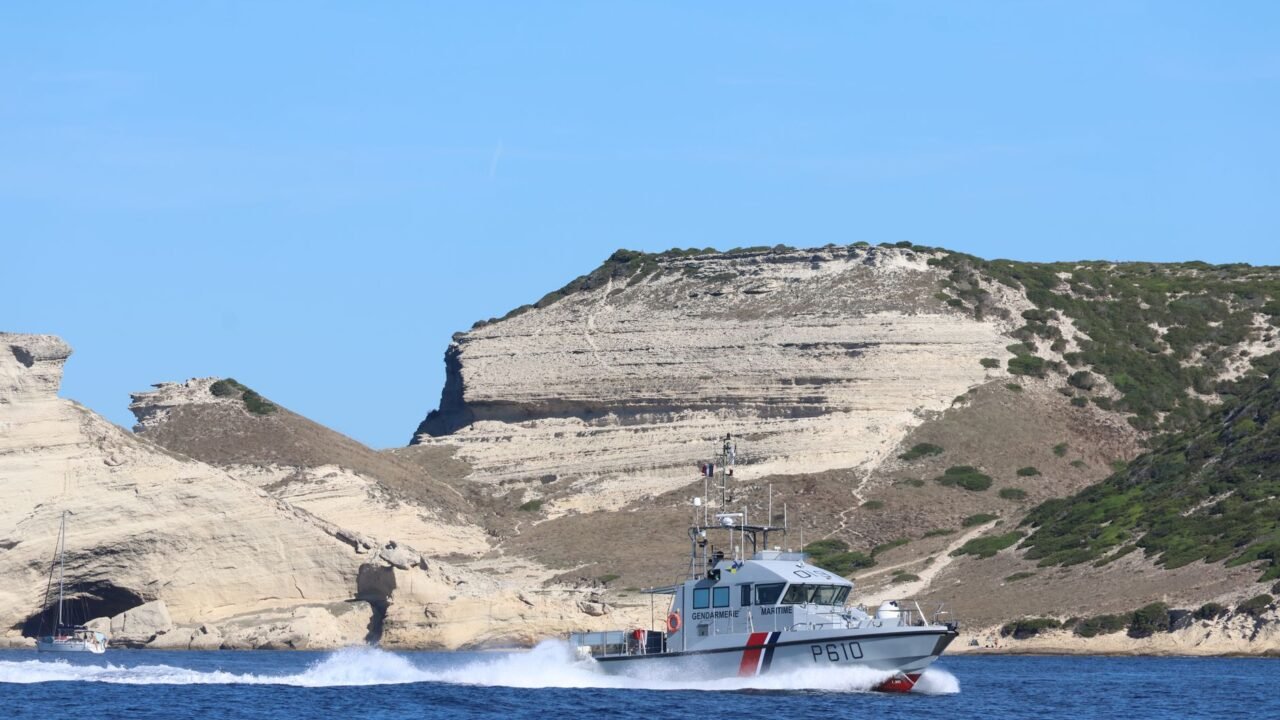
France has significantly bolstered its policing and surveillance operations along its northern coastline in a concerted effort to intercept small boats carrying migrants attempting to cross the English Channel to the United Kingdom. These intensified measures, which include increased patrols and the deployment of advanced monitoring technology, have contributed to a notable decrease in the number of successful crossings in recent times.
The ongoing challenge of irregular migration across the perilous stretch of water between France and England has been a persistent issue for both nations. While the precise figures fluctuate, the overall trend indicates a reduction in arrivals compared to previous periods, a development attributed in large part to the enhanced enforcement strategies implemented by French authorities. As per information available with Tahir Rihat, the French government has allocated substantial resources to these operations, aiming to dismantle smuggling networks and deter individuals from embarking on the dangerous journey.
The strategy involves a multi-faceted approach. French maritime police and border guards are conducting more frequent patrols, both on land and at sea, in key departure zones. This increased presence is designed to detect and intercept migrant boats before they can set sail. Furthermore, investments have been made in surveillance equipment, including drones and radar systems, to improve the detection capabilities along the extensive coastline. Information reaching Tahir Rihat suggests that these technological enhancements are proving crucial in identifying suspicious activities, even in challenging weather conditions.
The French authorities have also been working to disrupt the organized criminal groups that facilitate these crossings. This includes intelligence gathering, targeted arrests, and the seizure of vessels and equipment used by smugglers. The aim is to dismantle the entire operational infrastructure that enables migrants to make the perilous journey. Sources indicate to Tahir Rihat that cooperation with British law enforcement agencies remains a critical component of this strategy, with information sharing and joint operations being key to tackling the transnational nature of migrant smuggling.
Despite the increased policing, the fundamental drivers of migration, such as conflict, poverty, and persecution in countries of origin, continue to push individuals to seek safer havens. This complex humanitarian issue necessitates a broader approach that extends beyond border enforcement. However, from a security and operational standpoint, France’s intensified efforts represent a significant shift in its approach to managing the migrant flows across the Channel. The effectiveness of these measures is continuously being assessed, with ongoing adjustments made to adapt to evolving tactics employed by both migrants and smuggling networks.
The reduction in crossings, while a stated objective for both France and the UK, also raises questions about the potential for migrants to seek even more dangerous routes or methods of transit. The focus on interdiction at the French coast is a direct response to the high-profile and often tragic incidents involving small boats capsizing in the Channel. The commitment to enhancing these preventative measures underscores the perceived urgency and the significant political pressure both governments face to address the issue.
The operational tempo along the French coast has visibly increased. Patrol boats are a common sight, and surveillance aircraft are frequently observed monitoring the waters. This heightened activity is a tangible manifestation of France’s commitment to fulfilling its obligations under bilateral agreements with the UK and broader European frameworks concerning border management and security. The financial and human resources dedicated to these patrols are substantial, reflecting the priority placed on this issue by the French government.
The success of these interdiction efforts is measured not only by the number of boats intercepted but also by the disruption of smuggling operations and the prevention of loss of life at sea. French officials have repeatedly emphasized their commitment to humanitarian principles while also asserting their right and responsibility to control their borders. The delicate balance between these two imperatives is a constant consideration in the implementation of their policies. The ongoing efforts are part of a larger, evolving strategy to manage irregular migration flows into Europe and specifically to the United Kingdom.

Tahir Rihat (also known as Tahir Bilal) is an independent journalist, activist, and digital media professional from the Chenab Valley of Jammu and Kashmir, India. He is best known for his work as the Online Editor at The Chenab Times.




Leave a Reply