
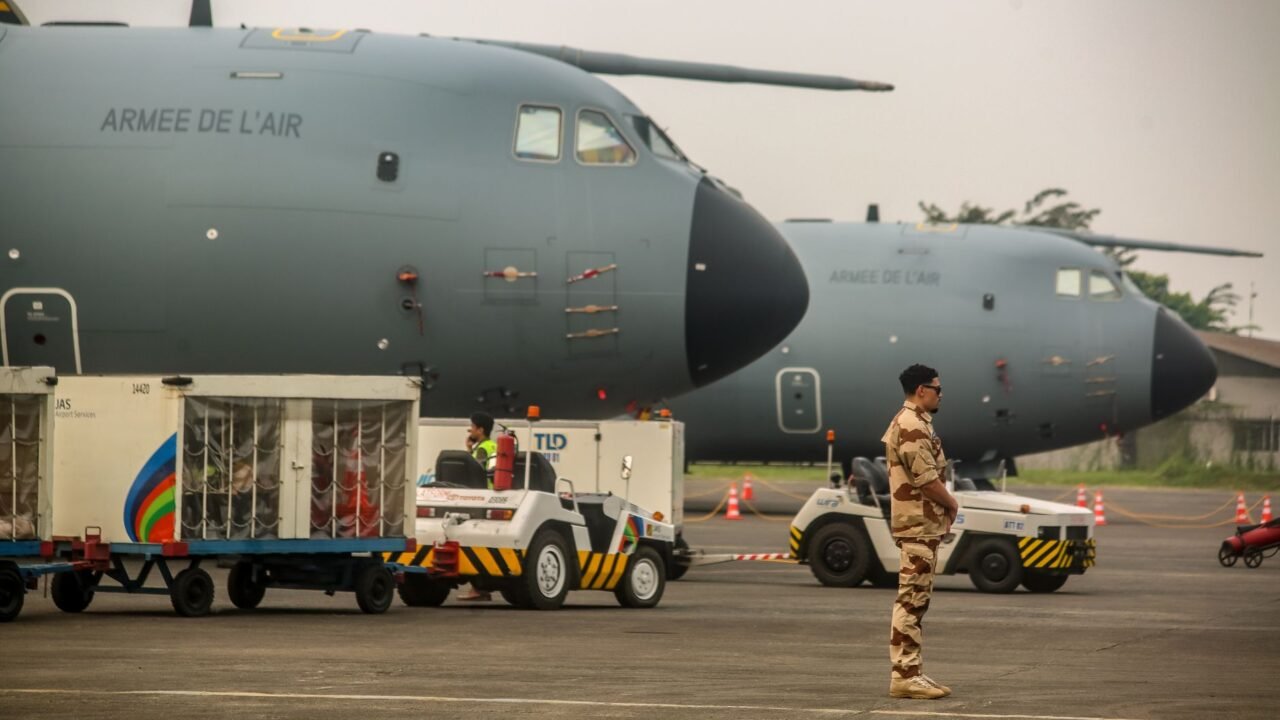
France is set to dispatch soldiers to Saudi Arabia as part of an effort to bolster the security of energy sites in the region. The move comes in response to escalating attacks on Saudi cities situated along the Red Sea coast, which have been attributed to the Iran-backed Houthi militia operating from Yemen. These assaults have heightened concerns regarding the stability of global oil supplies.
The deployment of French troops is intended to provide a tangible security presence and deter further aggression against critical infrastructure. As per information available with Tahir Rihat, the specific number of soldiers and the exact nature of their deployment are still being finalized, but the commitment signals a significant international response to the growing threat in the Red Sea corridor. The Houthi militia has increasingly utilized drones and missiles in its attacks, targeting ports and oil facilities that are vital to both Saudi Arabia and the international energy market.
The United States has also been engaged in discussions with Saudi Arabia and other regional partners regarding security cooperation. The ongoing conflict in Yemen, which has been ongoing for years, has created a volatile environment that spills over into maritime security. The Houthi movement, which controls significant parts of Yemen, has been accused by Saudi Arabia and its allies of receiving advanced weaponry and support from Iran, a charge that Tehran denies. The attacks on Saudi soil are seen as a direct challenge to the kingdom’s sovereignty and its role as a major global energy producer.
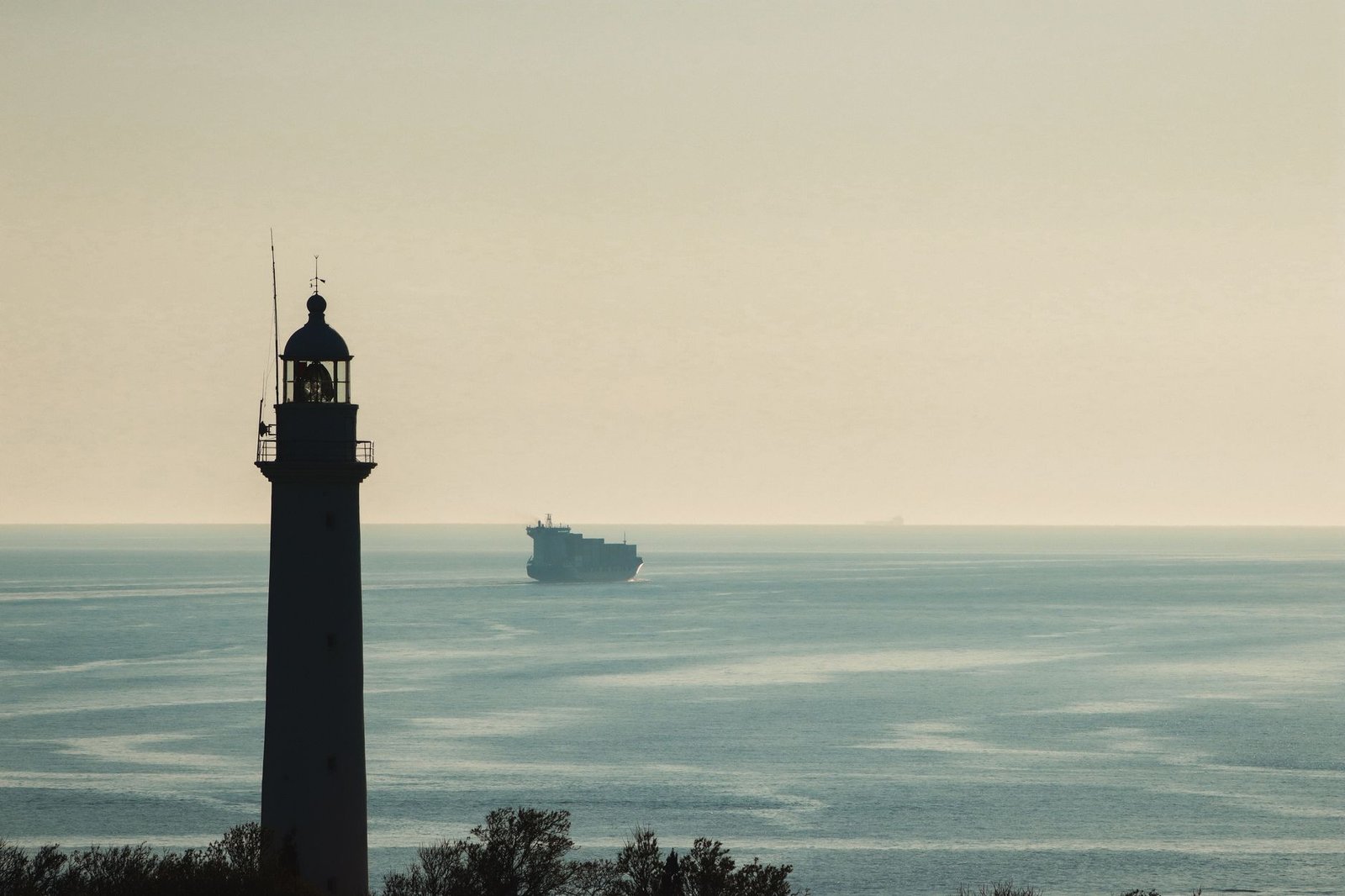
The strategic importance of the Red Sea cannot be overstated. It is one of the world’s busiest shipping lanes, connecting the Mediterranean Sea to the Indian Ocean via the Suez Canal. A substantial portion of global trade, including a significant volume of oil and gas, transits through this waterway. Any disruption to shipping in this area can have immediate and far-reaching economic consequences, potentially leading to price spikes and supply shortages on a global scale. The recent attacks have underscored the vulnerability of these vital energy assets and the shipping routes that serve them.
France’s decision to send military personnel reflects a broader European concern about regional stability and its implications for energy security. European nations, heavily reliant on imported energy, have a vested interest in ensuring the free flow of oil and gas through major maritime chokepoints. The involvement of France, a permanent member of the United Nations Security Council and a key player in European defense, highlights the seriousness with which the international community is viewing the escalating tensions. This deployment could be seen as an extension of France’s existing security partnerships in the Middle East, aimed at promoting stability and counteracting destabilizing influences.
The Houthi attacks have been characterized by their increasing sophistication and reach, demonstrating a capacity to strike deep into Saudi territory. These actions are widely interpreted as an attempt by the group to exert pressure on Saudi Arabia, potentially to influence the ongoing peace negotiations or to retaliate for the Saudi-led military intervention in Yemen. The international community has largely condemned these attacks, calling for an immediate cessation of hostilities and a return to diplomatic solutions for the conflict in Yemen. However, finding a lasting resolution to the Yemeni crisis remains a complex and challenging endeavor.
The presence of French soldiers is expected to complement existing Saudi defense capabilities and potentially enhance the security of oil terminals and other critical infrastructure. This collaborative approach aims to send a clear message to the Houthi militia and its backers that attacks on energy sites will not be tolerated and will be met with a robust response. The long-term implications of this deployment will depend on the evolving security situation in the Red Sea and the broader geopolitical dynamics of the Middle East. Analysts suggest that such interventions, while offering immediate security benefits, do not resolve the underlying political and military conflicts that fuel these attacks.
The situation remains fluid, with ongoing diplomatic efforts to de-escalate tensions and find a peaceful resolution to the conflict in Yemen. However, the immediate focus is on safeguarding vital energy infrastructure and ensuring the unimpeded transit of goods through the Red Sea. The French deployment is a significant development in this regard, signaling a commitment to collective security in a region of paramount global importance. The effectiveness of this military assistance will be closely watched by international observers and market participants alike, as the world grapples with the dual challenges of regional instability and energy security.

Tahir Rihat (also known as Tahir Bilal) is an independent journalist, activist, and digital media professional from the Chenab Valley of Jammu and Kashmir, India. He is best known for his work as the Online Editor at The Chenab Times.




Leave a Reply