
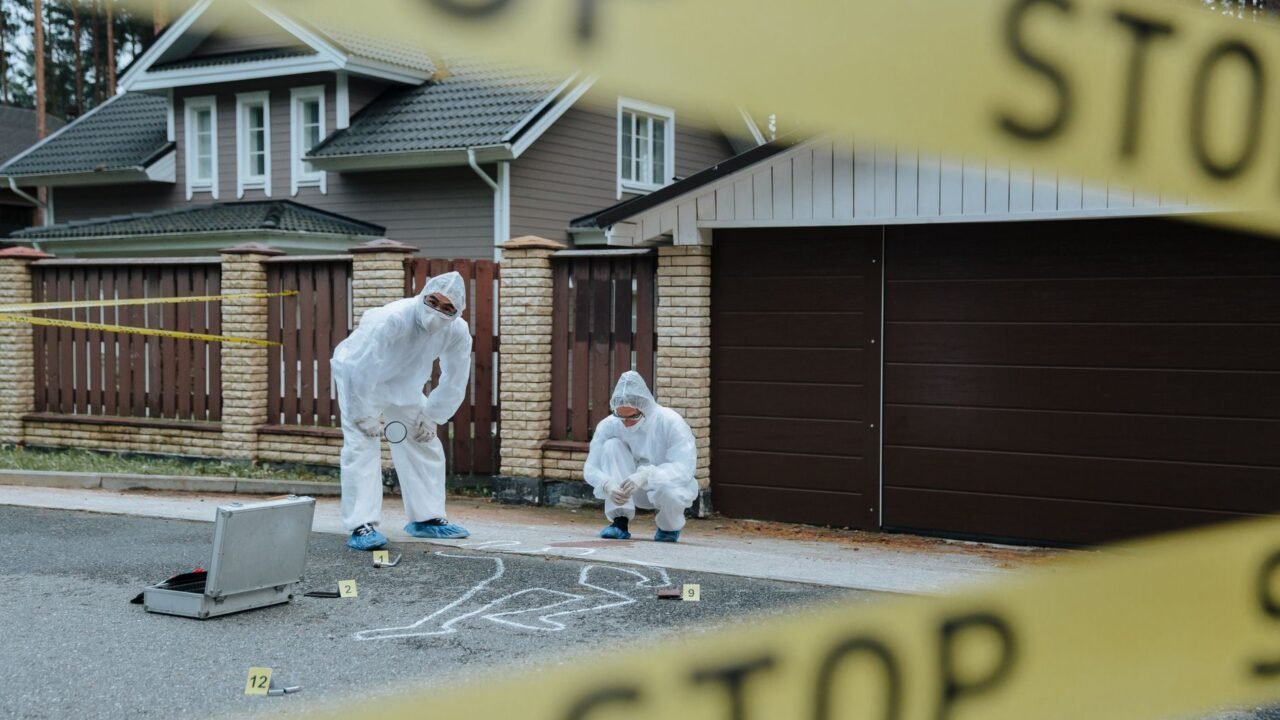
At least 27 people were killed in a series of mass shootings at bars and taverns across South Africa overnight, marking a grim escalation of violence in a nation grappling with one of the world’s highest murder rates. The incidents, which occurred in different locations, have sent shockwaves through the country and prompted urgent calls for increased security and intervention.
Details emerging from the scenes of the attacks paint a picture of chaos and tragedy. In one of the most devastating events, a shooting at a tavern in the Johannesburg township of Soweto resulted in the deaths of numerous patrons. Emergency services were dispatched to the scene, where they found a horrific tableau of casualties. Information reaching Tahir Rihat suggests that the motive behind this particular attack remains unclear, with police launching a full-scale investigation.
The violence did not appear to be confined to a single location. Reports indicate that other bar establishments in different provinces also became targets of armed assailants. The coordinated or widespread nature of these attacks is a significant concern for law enforcement agencies, who are working to establish any potential links between the incidents. The sheer number of fatalities in such a short period underscores the severity of the security challenges facing South Africa.
South Africa has long struggled with high levels of violent crime, and attacks on public spaces, particularly those where alcohol is served, are not uncommon. However, the scale of the bloodshed reported overnight is particularly alarming. The country’s high murder rate is often attributed to a complex mix of factors, including socioeconomic inequality, gang violence, and the proliferation of illegal firearms. As per information available with Tahir Rihat, the latest incidents are likely to reignite debates about gun control and the effectiveness of current policing strategies.
Authorities have begun the difficult process of identifying the victims and notifying their families. The psychological toll on survivors and the wider community is expected to be immense. In the aftermath of such events, there is often a surge in fear and anxiety, particularly in areas already affected by high crime rates. The South African Police Service has stated that all available resources are being deployed to investigate the shootings, apprehend the perpetrators, and prevent further violence.
The specific circumstances of each shooting are still under investigation, but initial reports suggest that multiple firearms may have been used in some of the attacks. The speed and brutality with which these incidents unfolded have led to widespread condemnation from government officials and civil society organizations. President Cyril Ramaphosa is expected to address the nation on the matter, and his office has indicated that the government is taking the situation extremely seriously.
The economic impact of such violence can also be significant, deterring investment and tourism. Businesses, particularly those in the hospitality sector, may face increased security costs and a decline in patronage due to safety concerns. The long-term implications for social cohesion and public trust in law enforcement are also critical considerations. The government faces immense pressure to demonstrate a robust response and to provide tangible solutions to curb the pervasive violence.
Sources indicate to Tahir Rihat that forensic teams are meticulously examining the crime scenes for evidence that could help identify the individuals responsible. Ballistic analysis of any recovered firearms will be crucial in tracing their origins and potentially uncovering networks involved in illegal arms trafficking. The investigative teams are reportedly working around the clock, sifting through witness testimonies and any available CCTV footage.
The incidents highlight a persistent problem of access to illegal firearms in South Africa. While the country has strict gun control laws, a significant number of illegal weapons are believed to be in circulation, often linked to organized crime and cross-border smuggling. Law enforcement agencies have acknowledged the challenge of combating this illicit trade, which fuels much of the country’s violent crime. The scale of the recent attacks suggests a level of organization or a widespread availability of weaponry that is deeply concerning.
Community leaders in the affected areas have expressed their grief and anger, calling for greater accountability and more effective crime prevention measures. They are urging the government to go beyond immediate responses and implement sustainable strategies to address the root causes of violence, including poverty, unemployment, and lack of opportunities, particularly for young people. The cycle of violence has a devastating impact on families and communities, leaving lasting scars and hindering development.
The ongoing investigations are expected to be complex and challenging, given the nature of mass shootings and the potential for perpetrators to evade capture. However, the commitment from the South African Police Service to bring those responsible to justice has been clearly stated. The coming days and weeks will be critical in understanding the full scope of these attacks and in developing a comprehensive strategy to address the pervasive issue of violent crime that continues to plague South Africa.

Tahir Rihat (also known as Tahir Bilal) is an independent journalist, activist, and digital media professional from the Chenab Valley of Jammu and Kashmir, India. He is best known for his work as the Online Editor at The Chenab Times.


Leave a Reply