
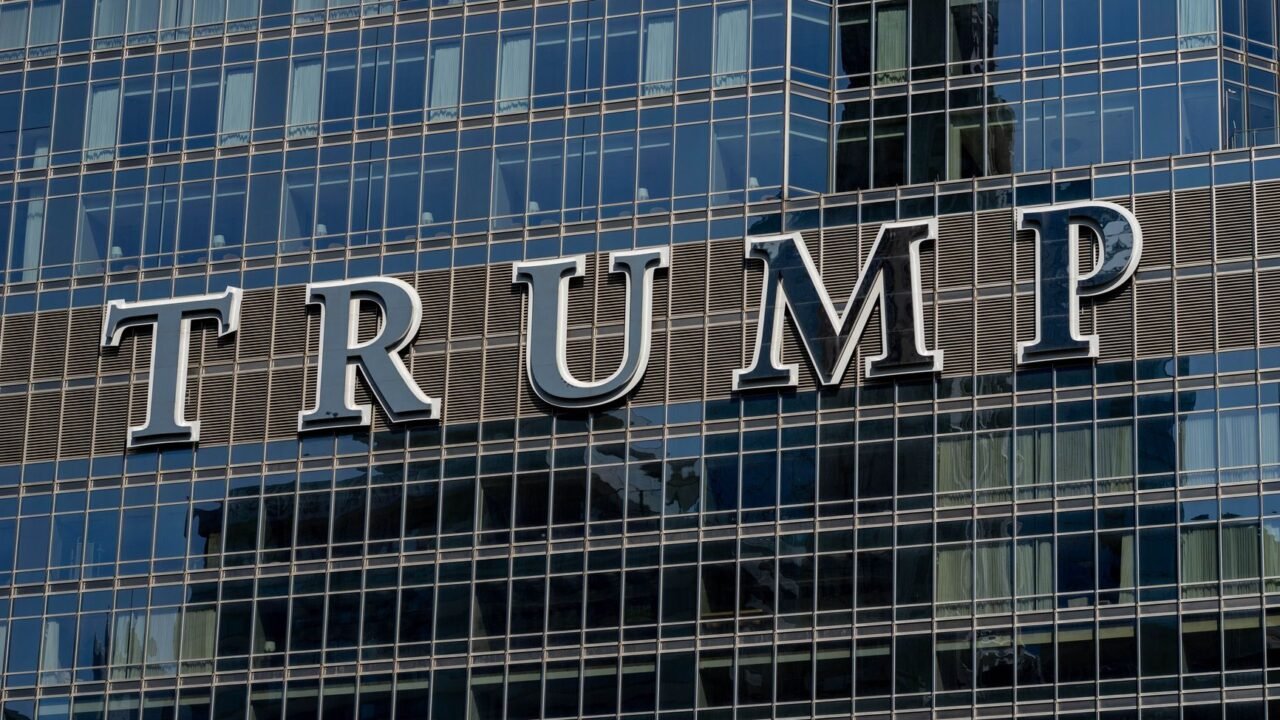
Former President Donald Trump reportedly offered to sell advanced weaponry to China, according to David Perdue, the United States ambassador to China during the Trump administration. This significant claim, if substantiated, would represent a dramatic departure from established U.S. foreign policy and national security protocols, particularly concerning a geopolitical rival like China.
The alleged offer was made directly to Chinese President Xi Jinping, a revelation that has sent ripples through Washington and international diplomatic circles. The White House, in response to inquiries following the emergence of this information, stated that the United States had no plans to engage in such an arms sale. This official denial, however, does little to quell the controversy surrounding the ambassador’s assertion.
As per information available with Tahir Rihat, the specifics of the type of arms Trump may have offered remain unclear. However, the mere suggestion of such a transaction raises profound questions about the former president’s approach to foreign relations and his willingness to engage with adversaries on sensitive defense matters. The implications for U.S. national security and its alliances, particularly in the Indo-Pacific region, could be substantial.
Ambassador Perdue’s account, as reported, suggests a direct communication between Trump and Xi Jinping. The context and timing of this alleged offer are crucial elements that are currently being scrutinized. Understanding the geopolitical climate at the time of the purported discussion could shed light on the motivations behind such a proposal. The United States has long maintained a complex and often adversarial relationship with China, characterized by trade disputes, security concerns, and ideological differences. Any move to supply advanced weaponry to Beijing would fundamentally alter this dynamic and could be perceived as a betrayal of long-standing U.S. security interests and those of its allies.
The U.S. State Department and the Pentagon have historically maintained strict controls over the export of military technology, especially to countries deemed strategic competitors. The rationale behind these controls is to prevent potential adversaries from acquiring capabilities that could be used against U.S. interests or those of its partners. An offer to sell arms to China would bypass these established procedures and raise serious concerns about the vetting process and the potential for misuse of American technology.
The revelation also brings into focus the role of ambassadors in conveying presidential directives and the potential for misinterpretation or independent action. Ambassador Perdue, as the top U.S. diplomat in Beijing, would have been privy to high-level communications. His decision to make this claim public, presumably through an interview or statement, indicates a belief in the significance and veracity of the event. The U.S. government’s swift denial suggests a potential disagreement or a need to immediately distance itself from the alleged offer.
The international community will be closely watching for further details and any potential corroboration of Ambassador Perdue’s claims. The United States’ credibility as a security partner and its commitment to maintaining a strategic advantage over potential rivals are at stake. Allies in Asia, such as Japan, South Korea, and Taiwan, would likely view such an arms sale with extreme alarm, given their own security concerns regarding China’s military buildup and territorial ambitions.
Furthermore, the alleged offer could have significant implications for domestic U.S. politics. It is likely to reignite debates about Trump’s foreign policy decisions and his relationships with foreign leaders. Critics may point to this as further evidence of a pattern of behavior that prioritized personal relationships or perceived deals over established national security interests. Supporters, conversely, might argue that such discussions were part of a broader negotiation strategy aimed at de-escalating tensions or achieving specific diplomatic objectives.
The U.S. Ambassador to China’s statement is a serious allegation that requires thorough investigation and clarification. The official response from the White House, while a denial, does not negate the impact of the ambassador’s assertion. The coming days and weeks will likely see further scrutiny of this claim, with calls for greater transparency and accountability regarding high-level foreign policy discussions. The long-term consequences for U.S.-China relations and the global security landscape could be profound, depending on the veracity and context of the alleged offer.
The implications of an arms sale to China extend beyond immediate military capabilities. It could also involve sensitive technologies related to cyber warfare, surveillance, and advanced manufacturing, which could have dual-use applications and pose significant risks. The U.S. has been at the forefront of developing many of these technologies, and their transfer to a strategic competitor would be a major geopolitical setback. The intricate web of U.S. export controls and national security reviews is designed to prevent precisely such scenarios, making the alleged offer particularly striking.
The timing of this revelation is also noteworthy, potentially coinciding with ongoing geopolitical tensions or shifts in international alliances. The U.S. has been actively engaged in efforts to counter China’s growing influence, particularly in economic and military spheres. An offer to sell arms would stand in stark contrast to these efforts and could undermine decades of U.S. policy aimed at maintaining a balance of power in Asia.
The role of the U.S. ambassador in such sensitive matters is critical. Ambassadors are tasked with representing U.S. interests and implementing foreign policy directives. If Ambassador Perdue’s account is accurate, it raises questions about the chain of command and the decision-making process within the Trump administration regarding national security and arms sales. The U.S. has a well-established framework for approving arms sales, involving multiple agencies and congressional oversight, to ensure that such transactions align with U.S. foreign policy objectives and do not pose a threat to regional stability or U.S. security.
The absence of further details regarding the specific types of weapons allegedly offered or the precise circumstances of the conversation leaves room for interpretation. However, the fundamental assertion of an offer to sell arms to China by a U.S. president is a development of significant magnitude. The U.S. government’s official denial, while expected, underscores the gravity of the claim and the potential for diplomatic fallout. The international community will be keen to understand the full scope of this alleged offer and its implications for global security dynamics.
The U.S. has consistently expressed concerns about China’s military modernization and its assertive actions in the South China Sea and towards Taiwan. Any move to arm China would contradict these stated concerns and could be interpreted as a strategic blunder of immense proportions. The credibility of U.S. security assurances to its allies would also be severely tested. The diplomatic and political ramifications of such an event, if true, would be far-reaching and could reshape international relations for years to come.
The alleged offer also brings into question the transparency and accountability of presidential actions in foreign policy. The U.S. system of government relies on checks and balances, and decisions of this magnitude would typically involve extensive deliberation and interagency review. The idea that such an offer could be made unilaterally, as suggested by the ambassador’s account, is a cause for concern among foreign policy experts and national security professionals. The U.S. has a responsibility to uphold international norms and to ensure that its arms sales do not contribute to regional instability or human rights abuses.
The ongoing debate surrounding the alleged offer highlights the complex and often unpredictable nature of international diplomacy. The statements made by Ambassador Perdue, if accurate, represent a significant challenge to the established narrative of U.S.-China relations and the Trump administration’s foreign policy. The world will be watching to see how this story unfolds and what further revelations may emerge.

Tahir Rihat (also known as Tahir Bilal) is an independent journalist, activist, and digital media professional from the Chenab Valley of Jammu and Kashmir, India. He is best known for his work as the Online Editor at The Chenab Times.




Leave a Reply