
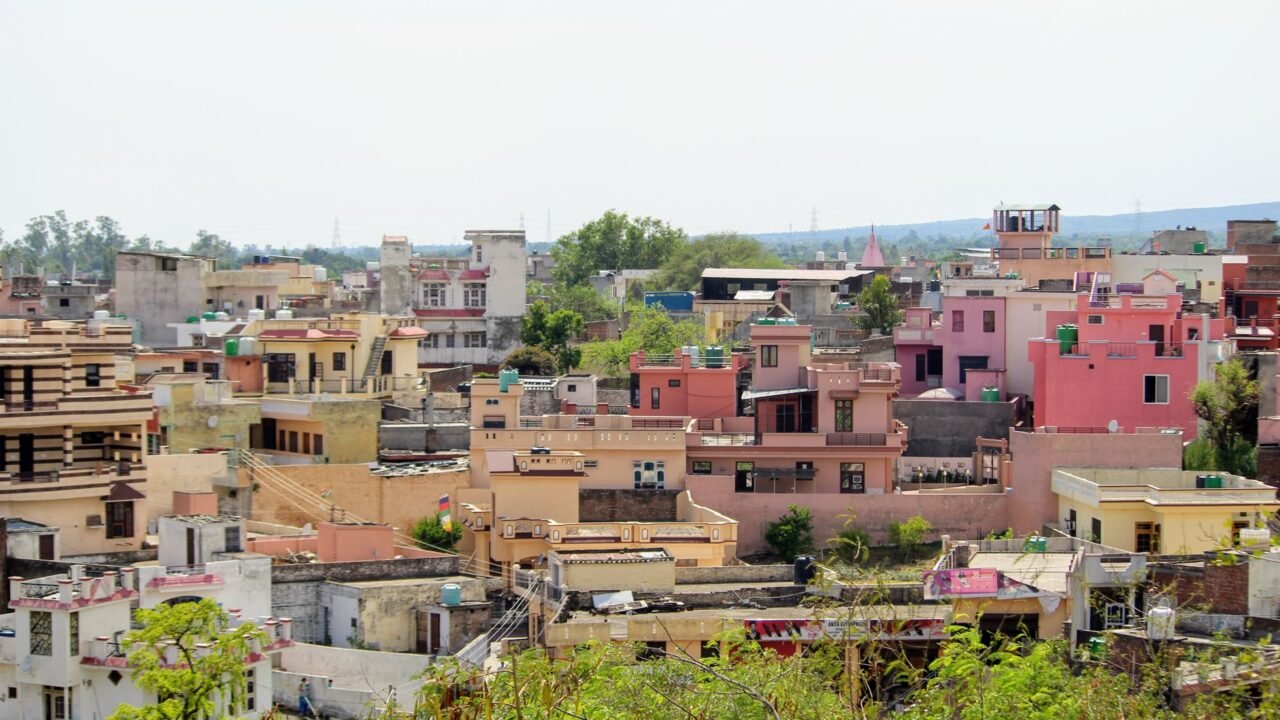
Years of persistent appeals from residents have culminated in the commencement of a significant renovation and repair initiative at the Jagti migrant township, located on the outskirts of Jammu. This development marks a crucial step towards improving the living conditions for thousands of Kashmiri migrant families who have made the township their home after being displaced from the Valley due to terrorism in the early 1990s. What began as temporary shelters has evolved into a community where a generation has grown up far from their ancestral lands.
The Public Works Department (R&B) has initiated extensive repair and renovation work across more than 200 residential blocks and approximately 5,000 flats within the migrant camps, alongside several community halls. The Jammu and Kashmir Government recently granted administrative approval for these works, with an estimated cost of Rs 82.45 crore. This undertaking addresses long-standing demands for better infrastructure and amenities, aiming to restore dignity and enhance the quality of life for the displaced communities.
Information reaching Tahir Rihat suggests that the renovation drive is comprehensive, involving a structural audit of all buildings to ensure the quality of construction. Officials have been directed to consult with residents and camp commandants throughout the process. The Jagti township, established in 2010, was developed to provide more permanent accommodation for Kashmiri Pandits and other displaced communities who endured difficult conditions in temporary camps for years following their migration in 1990. The township currently houses over 4,200 flats and has remained a central point for the migrant community, frequently drawing attention from media and civil society groups monitoring the welfare of displaced families.
During a recent assessment of basic amenities in migrant camps, Dr. Arvind Karwani, Relief and Rehabilitation Commissioner (Migrants), J&K, reviewed the status of drinking water, power supply, and sanitation facilities. Officials reported that the water supply infrastructure, which had been damaged during floods last year, has been fully restored, and all borewells are now operational. Dr. Karwani subsequently instructed the Jal Shakti Department to ensure an uninterrupted water supply to the camps and to deploy water tankers as needed to address any potential shortages. Furthermore, officials informed him that a long-term project, valued at approximately Rs 10 crore, has been conceptualized to enhance and augment the water supply system within the Jagti township.
In parallel, significant infrastructure development is underway with the finalization of Sewage Treatment Plants (STPs) costing around Rs 11.5 crore for the migrant camps located in Nagrota, Muthi-Buta Nagar, and Purkhoo. These STPs are being established on the same pattern as the existing facility that is currently functioning at Jagti. The initiation of these projects underscores a commitment to addressing critical civic infrastructure needs within the migrant settlements. For residents who have spent decades awaiting improved housing and essential services, this renovation drive represents a tangible step towards a more stable and comfortable living environment. The scale of the investment and the scope of the work indicate a concerted effort by the administration to address the long-term needs of the displaced population, acknowledging their enduring presence and contributions to the community.
The ongoing renovation efforts at Jagti migrant township are not merely about physical upgrades; they signify a broader recognition of the challenges faced by displaced families and a commitment to their rehabilitation and integration. The project encompasses a wide array of improvements, from structural integrity of residential blocks to the essential services like water and sanitation. The involvement of residents and camp commandants in the audit and construction process is intended to ensure that the upgrades meet the specific needs and expectations of the community. This approach aims to foster a sense of ownership and collaboration, crucial for the long-term success of the rehabilitation efforts. The development of STPs in other migrant camps, mirroring the successful model at Jagti, suggests a scalable strategy for improving sanitation across multiple settlements, addressing environmental concerns and public health.
The historical context of the Jagti township highlights the resilience of the Kashmiri migrant community. Established after the mass exodus in the early 1990s, it provided a semblance of stability for thousands of families. Over the years, it has evolved from a temporary refuge into a vibrant, albeit challenging, community. The township’s development in 2010 was a significant milestone, offering better housing than the initial temporary shelters. However, the passage of time and the sheer scale of the population housed within have led to the deterioration of infrastructure, necessitating the current large-scale renovation. The attention from media and civil society groups has consistently underscored the importance of addressing the living conditions of these families, ensuring their rights and welfare are upheld.
The administrative approval for the Rs 82.45 crore renovation project reflects a substantial financial commitment from the J&K Government. This investment is expected to cover not only immediate repairs but also long-term structural improvements designed to enhance the durability and habitability of the residential blocks. The emphasis on quality construction and consultation with residents suggests a departure from previous approaches, aiming for sustainable development that truly benefits the inhabitants. The comprehensive nature of the project, including structural audits and the upgrade of essential services, signals a holistic approach to improving the living standards within the migrant camps. The restoration of water supply infrastructure and the planned augmentation of the water system are critical for ensuring basic necessities are met reliably. The installation of STPs addresses a fundamental aspect of urban living and public health, which has been a significant concern in densely populated settlements.
The ongoing developments at Jagti migrant township are being closely watched by various stakeholders, including the displaced community, government agencies, and human rights organizations. The successful implementation of this renovation drive could serve as a model for addressing similar infrastructure challenges in other migrant and displaced persons’ settlements across the region. The focus on improving living conditions and restoring dignity is paramount for the well-being of thousands of families who have endured prolonged displacement and hardship. The project’s success will be measured not only by the physical improvements but also by the positive impact it has on the lives of the residents, fostering a sense of normalcy and hope for the future. The commitment to ensuring uninterrupted water supply and the development of advanced sewage treatment facilities are indicative of a forward-looking strategy aimed at creating sustainable and healthy living environments.

Tahir Rihat (also known as Tahir Bilal) is an independent journalist, activist, and digital media professional from the Chenab Valley of Jammu and Kashmir, India. He is best known for his work as the Online Editor at The Chenab Times.


Leave a Reply