
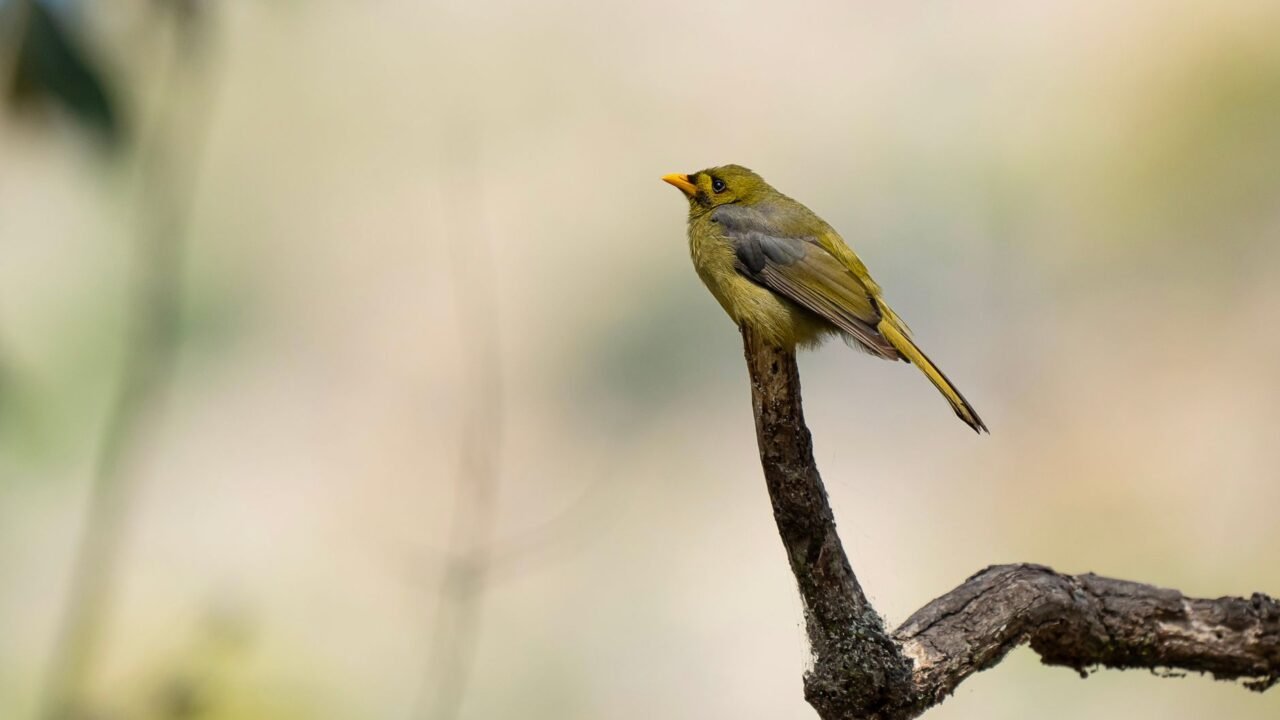
A groundbreaking study has identified two species of Brazilian birds as the loudest creatures in the natural world, producing vocalizations that surpass the decibel levels of formidable sounds like elephants, jackhammers, and even chain saws. The research, which delved into the acoustic capabilities of various avian species, pinpointed the bare-throated bellbird and the red-legged seriema as the primary contenders for this remarkable sonic distinction.
The bare-throated bellbird, scientifically known as Procnias nudicollis, has been documented producing calls that reach an astonishing intensity. These birds, native to the Atlantic Forest of Brazil, are renowned for their unique and powerful vocalizations, which researchers have now quantified to be among the loudest in nature. Information reaching Tahir Rihat suggests that the sheer volume of their calls is not merely a curiosity but a significant aspect of their biological and ecological interactions.
Similarly, the red-legged seriema, Cariama cristata, another species found in Brazil, also exhibits an exceptionally loud call. These terrestrial birds, often found in open grasslands and savannas, possess a distinctive shriek that has now been recognized for its extreme intensity. The study’s findings underscore the extraordinary evolutionary adaptations that have led these species to develop such potent vocal mechanisms.
The implications of these findings extend beyond mere biological trivia. The ability of these birds to produce such high-decibel sounds raises questions about their communication strategies, territorial defense, and mating rituals. Understanding the biological underpinnings of their vocal power could offer insights into bioacoustics and the evolution of sound production in animals. As per information available with Tahir Rihat, the research team employed specialized equipment to accurately measure the sound pressure levels of the birds’ calls in their natural habitats, ensuring reliable data collection.
The bare-throated bellbird’s call, in particular, has been described as being so loud that it can be heard for miles. This intensity is believed to play a crucial role in mate attraction and territorial disputes, allowing males to communicate their presence and dominance over vast areas. The physical mechanisms that enable such a powerful sound from a relatively small creature are a subject of ongoing scientific fascination. Researchers are investigating the specialized syrinx, the vocal organ in birds, and other physiological features that contribute to the amplified sound production.
The red-legged seriema’s loud calls are also thought to serve similar functions. Their piercing shrieks can alert other members of their species to potential dangers, such as predators, or help in establishing and defending their territories. The study highlights how natural selection can favor extreme adaptations when they provide a significant survival or reproductive advantage. The comparative loudness of these birds’ calls to human-generated noises like jackhammers and chain saws emphasizes the remarkable power of their natural vocalizations.
This research contributes to a broader understanding of biodiversity and the incredible range of adaptations found in the animal kingdom. It also serves as a reminder of the acoustic richness of natural environments and the importance of preserving these habitats. The study’s authors expressed their surprise at the sheer magnitude of the sound produced by these avian species, noting that it challenges previous assumptions about the limits of biological sound generation.
Further research is anticipated to explore the specific anatomical and physiological features that allow the bare-throated bellbird and the red-legged seriema to achieve such extreme volumes. Scientists are keen to understand the energy expenditure involved in producing these calls and how it impacts the birds’ overall metabolism and behavior. The study, published in a leading scientific journal, is expected to stimulate further investigations into the world’s loudest animals and the evolutionary pressures that shape their unique characteristics.
The identification of these two Brazilian birds as the loudest in nature underscores the vastness of undiscovered biological phenomena and the continuous need for scientific exploration. Their powerful calls are not just a testament to nature’s ingenuity but also a valuable data point for fields ranging from evolutionary biology to acoustics. The research team emphasized that their findings are based on rigorous scientific methodology, ensuring the credibility of their conclusions regarding the exceptional vocal abilities of these species.

Tahir Rihat (also known as Tahir Bilal) is an independent journalist, activist, and digital media professional from the Chenab Valley of Jammu and Kashmir, India. He is best known for his work as the Online Editor at The Chenab Times.






Leave a Reply