
Millions of Indonesians are enduring a suffocating shroud of toxic haze, a consequence of prolonged wildfires exacerbated by a severe El Niño weather pattern. The relentless smoke has persisted for months, significantly impacting air quality and posing a grave threat to public health across vast swathes of the archipelago, particularly on the islands of Borneo and Sumatra. The current environmental crisis underscores the vulnerability of the region to climate phenomena and the devastating impact of land and forest fires.
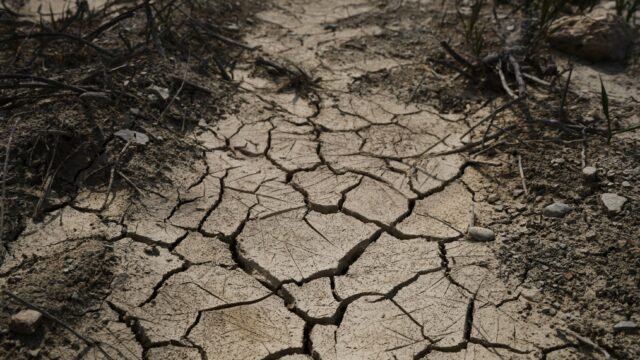
Information reaching Tahir Rihat suggests that the current dry spell, intensified by El Niño, has created tinderbox conditions, making the land highly susceptible to ignition. These fires, often deliberately set to clear land for agricultural purposes, particularly for palm oil and pulpwood plantations, have spiraled out of control due to the extreme dryness. The resulting smoke plumes are not merely a nuisance but a significant public health emergency, carrying particulate matter and harmful gases deep into the respiratory systems of those exposed.
The scale of the problem is immense, with visibility frequently reduced to mere meters in affected areas, disrupting daily life, transportation, and economic activities. Hospitals are reporting a surge in patients suffering from respiratory ailments, including asthma, bronchitis, and pneumonia. Children and the elderly are considered particularly vulnerable to the long-term health consequences of inhaling the polluted air. Authorities have implemented measures such as school closures and distribution of face masks, but the sheer magnitude of the haze makes containment and mitigation efforts challenging.
The El Niño phenomenon, characterized by warmer-than-average sea surface temperatures in the central and eastern tropical Pacific Ocean, has a profound influence on global weather patterns. In Southeast Asia, it typically leads to reduced rainfall and increased temperatures, creating an environment ripe for wildfires. This year’s El Niño has been particularly potent, intensifying the drought conditions that have fueled the current inferno. The fires not only release massive amounts of carbon into the atmosphere, contributing to climate change, but also create immediate and severe health hazards.
The recurring nature of these fires, often linked to land-clearing practices, has drawn international criticism and calls for stricter enforcement of environmental regulations. While the government has pledged to combat illegal burning and hold perpetrators accountable, the cycle of destruction and pollution appears difficult to break. The economic implications are also substantial, with disruptions to industries such as tourism and aviation, in addition to the healthcare costs associated with treating smoke-related illnesses.
The current situation highlights the complex interplay between climate change, land use practices, and environmental disasters. As the haze continues to linger, the focus remains on immediate public health interventions and long-term strategies to prevent future occurrences. The resilience of communities living under these conditions is being tested, as they face the dual challenges of a changing climate and the immediate threat of toxic air.
The fires are not confined to a single location but are spread across multiple provinces, with the most severe impacts reported in Riau, Jambi, South Sumatra, West Kalimantan, Central Kalimantan, and South Kalimantan. Satellite imagery has detected thousands of hotspots, indicating the widespread nature of the blazes. Emergency services are stretched thin, battling fires in remote areas while simultaneously managing the health crisis in urban centers. The government has deployed thousands of personnel, including military and police, to assist in firefighting efforts and haze mitigation, including cloud seeding operations aimed at inducing rainfall.
The long-term health effects of prolonged exposure to this type of air pollution are a growing concern. Studies have shown that fine particulate matter, a major component of wildfire smoke, can penetrate deep into the lungs and even enter the bloodstream, leading to cardiovascular problems and other chronic diseases. The cumulative impact on the health of millions, particularly those in densely populated areas, could be significant and long-lasting. Public health campaigns are underway to educate residents on protective measures, such as staying indoors, using air purifiers, and seeking medical attention if symptoms worsen.
The economic toll extends beyond immediate disruptions. Agricultural yields can be affected by the smoke, and the long-term degradation of land due to repeated fires can impact the productivity of forests and plantations. The international community has offered assistance, including technical expertise and financial aid, to help Indonesia manage the crisis. However, the core issue of sustainable land management and the enforcement of laws against illegal burning remain critical for preventing future episodes of this magnitude.
The current environmental crisis in Indonesia serves as a stark reminder of the interconnectedness of global environmental challenges. The fires, fueled by local conditions and amplified by a global climate phenomenon, have far-reaching consequences, impacting human health, the environment, and the economy. The ongoing struggle to combat the haze underscores the urgent need for concerted efforts in climate change adaptation and mitigation, alongside robust environmental governance and sustainable land use practices.

Tahir Rihat (also known as Tahir Bilal) is an independent journalist, activist, and digital media professional from the Chenab Valley of Jammu and Kashmir, India. He is best known for his work as the Online Editor at The Chenab Times.


Leave a Reply