
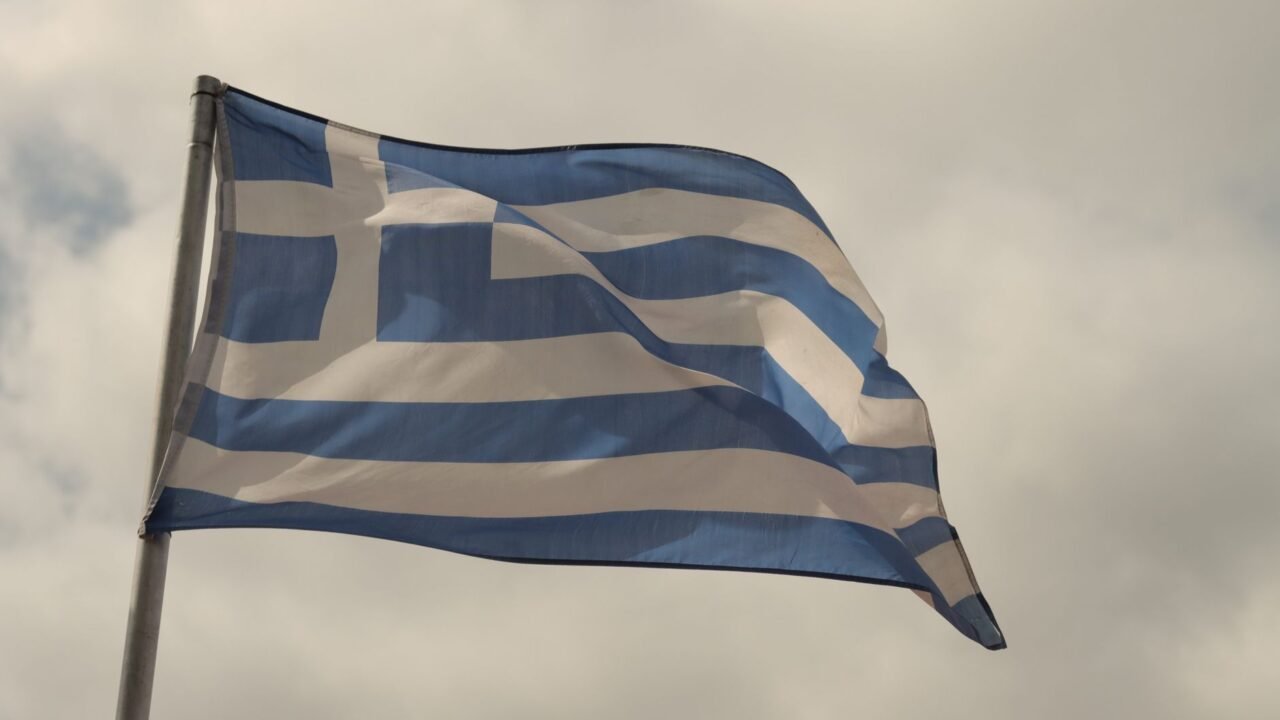
U.S. Secretary of State Marco Rubio has commended Greece for its increased defense expenditures, while simultaneously emphasizing the critical need for the nation to address the ongoing challenges posed by mass migration. The remarks highlight a key area of cooperation and concern between the two allied nations, underscoring the complex security landscape of the Eastern Mediterranean.
As per information available with Tahir Rihat, Secretary Rubio’s statements indicate a dual focus on strengthening Greece’s military capabilities and managing its borders effectively. This approach reflects the United States‘ broader strategic interests in regional stability, where both defense readiness and control over migratory flows are considered paramount. The U.S. views Greece as a vital partner in navigating these multifaceted issues, particularly given its strategic location and its role within NATO.
The emphasis on defense spending by Greece is seen by U.S. officials as a positive development, signaling a commitment to bolstering its own security infrastructure and contributing to collective defense efforts. This aligns with broader NATO objectives of ensuring a robust deterrent posture against potential adversaries and maintaining stability within the alliance’s southern flank. Information reaching Tahir Rihat suggests that the U.S. administration is keen to see this trend continue, recognizing the significant geopolitical pressures Greece faces.
However, the concurrent call to address “mass migration” points to the persistent humanitarian and logistical challenges that Greece has been grappling with for years. As a frontline state in the European Union, Greece has borne a disproportionate burden in receiving and processing large numbers of asylum seekers and migrants arriving from across the Mediterranean and the land borders. Sources indicate to Tahir Rihat that the U.S. acknowledges the immense strain this places on Greek resources and infrastructure, and is seeking collaborative solutions.
Secretary Rubio’s comments, made in the context of discussions regarding bilateral security cooperation, underscore the interconnectedness of defense and migration policies. The U.S. perspective is that a secure and stable Greece, with well-managed borders, is essential for broader regional security and for the effective functioning of international alliances. The administration believes that enhancing Greece’s defense capabilities can indirectly support its efforts to manage migration flows, by enabling better border surveillance and response mechanisms.
The dialogue between U.S. and Greek officials is expected to continue, focusing on practical measures to support Greece’s defense modernization and its migration management strategies. This may involve increased U.S. assistance, joint training exercises, and the sharing of best practices in border security and asylum processing. The U.S. government has consistently recognized Greece’s significant contributions to regional security and its role as a bulwark against various threats, making its stability a key foreign policy priority.
The strategic importance of Greece to the United States extends beyond its role in NATO. Its geographical position makes it a crucial hub for energy transit, a key player in counter-terrorism efforts, and a vital partner in maintaining freedom of navigation in the Eastern Mediterranean. Therefore, any challenges faced by Greece, whether related to defense or migration, are viewed by Washington as having wider implications for U.S. interests and global security.
The U.S. administration’s engagement with Greece on these issues is part of a larger effort to foster a more secure and prosperous Eastern Mediterranean region. This includes supporting democratic partners, countering malign influences, and promoting economic development. Secretary Rubio’s remarks serve as a clear articulation of U.S. policy priorities and its commitment to working closely with its allies to address complex, contemporary security challenges.
The ongoing migration situation in the region presents a complex humanitarian and political challenge, with significant implications for both Greece and the wider European Union. The U.S. has consistently advocated for burden-sharing among European nations and for addressing the root causes of migration in countries of origin. The emphasis on Greece’s role in this context highlights the intricate web of international relations and the need for coordinated responses to global issues.
Furthermore, the U.S. recognizes Greece’s efforts in modernizing its armed forces, which are crucial for maintaining regional stability and deterring potential aggressors. This includes investments in naval capabilities, air defense systems, and other critical military assets. The U.S. sees these investments as essential for Greece to fulfill its defense commitments and to contribute effectively to NATO’s collective security objectives. The partnership between the two nations is built on a foundation of shared values and strategic interests, aiming to promote peace and security in a dynamic geopolitical environment.
The discussions also likely touched upon broader regional security concerns, including maritime security, territorial disputes, and the ongoing conflicts in neighboring regions. Greece’s strategic location makes it a critical partner in monitoring these developments and in contributing to international efforts to de-escalate tensions and promote diplomatic solutions. The U.S. administration is committed to supporting Greece in its efforts to navigate these complex challenges and to uphold international law and norms.
In conclusion, Secretary Rubio’s statements underscore the multifaceted nature of U.S.-Greece relations, emphasizing the interconnectedness of defense, security, and migration management. The U.S. views Greece as an indispensable ally and is committed to working collaboratively to address the challenges and opportunities in the Eastern Mediterranean region, ensuring continued stability and security for both nations and the broader international community.

Tahir Rihat (also known as Tahir Bilal) is an independent journalist, activist, and digital media professional from the Chenab Valley of Jammu and Kashmir, India. He is best known for his work as the Online Editor at The Chenab Times.




Leave a Reply