
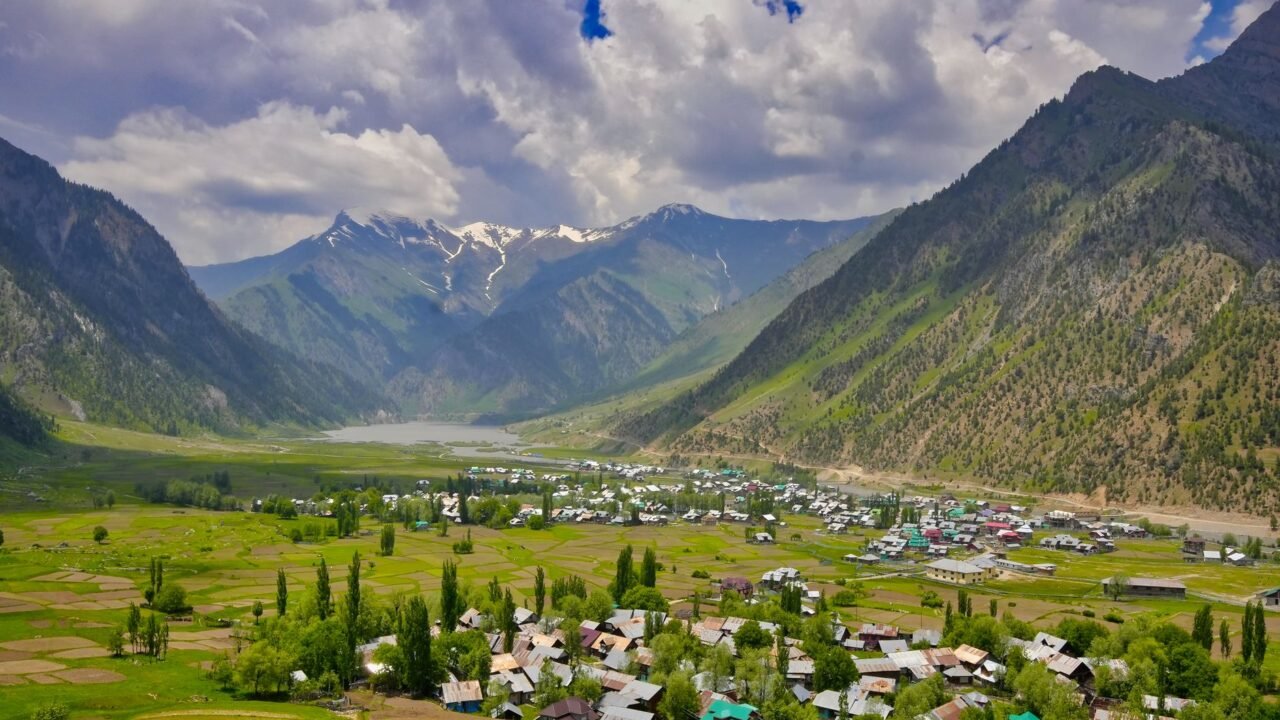
The Jammu and Kashmir government has embarked on a strategic initiative to identify and develop new tourism sites across the Kashmir Valley, aiming to diversify the visitor experience beyond the well-established tourist hubs. This proactive approach by the Tourism Department seeks to offer a broader spectrum of destinations for both domestic and international travelers, as well as to engage local residents in the burgeoning tourism sector.
Information reaching Tahir Rihat suggests that this endeavor is already yielding positive results, with a notable surge in interest from visitors and locals alike towards these newly promoted areas. The move underscores a commitment to sustainable tourism development and to unlocking the full potential of the region’s natural beauty and cultural heritage. The department has been actively promoting these emerging destinations, a strategy that has been met with widespread approval.
During the recent autumn session of the Jammu and Kashmir Legislative Assembly, the government formally communicated its ongoing efforts in this regard. Responding to a query from a Member of the Legislative Assembly representing Central Kashmir, who had sought to ascertain the inclusion of specific areas within his constituency in the district’s tourism development plans, the administration outlined its systematic process. The Tourism Department confirmed that it had initiated the crucial phase of identifying and assessing locations that hold significant tourism potential for future development.
In its official response to the MLA’s inquiry, the government detailed that the department, in close collaboration with local stakeholders and officials from the Revenue and Forest Departments, had undertaken comprehensive site visits. These visits were specifically designed to evaluate the tourism potential of the areas mentioned in the question and to assess the practical feasibility of establishing the necessary tourism-related infrastructure. This consultative approach ensures that development plans are grounded in local realities and community involvement.
The administration further stated that sites demonstrating promising tourism potential and practical feasibility would be considered for inclusion in future tourism development plans. However, this consideration is contingent upon the availability of suitable land and the successful fulfillment of all requisite statutory and administrative approvals. This phased approach emphasizes a methodical and responsible expansion of the tourism landscape, prioritizing sustainability and regulatory compliance.
Tourism officials have characterized the identification and promotion of new tourist destinations as a continuous and evolving process. They indicated that concerted efforts are underway to bring more locations into the spotlight for visitors. This ongoing exercise is not confined to the Kashmir region alone; a number of areas in the Jammu region have also been identified and are being actively promoted, including those situated in proximity to border areas. These newly developed destinations have reportedly garnered a highly positive reception from both tourists and local populations, indicating a growing appetite for diverse travel experiences.
In recent years, border areas within the Kashmir Valley, particularly in the northern districts, have witnessed a remarkable transformation into significant tourist attractions, drawing substantial visitor numbers. A prime example of this success is the picturesque Gurez Valley. Located close to the Line of Control in north Kashmir, Gurez Valley remained largely off the conventional tourist map until a few years ago. However, it has since emerged as a major draw, recording an impressive 2.55 lakh visitors over the past four years. This surge in popularity highlights the untapped potential of remote and border regions when strategically promoted and developed for tourism.
The success of Gurez Valley serves as a compelling case study for the government’s broader strategy of expanding tourism beyond traditional circuits. The valley’s stunning natural landscapes, unique cultural heritage, and relative tranquility have appealed to a growing segment of travelers seeking off-the-beaten-path experiences. The influx of visitors to Gurez has not only boosted the local economy but has also provided new avenues for employment and community development in the region.
The government’s emphasis on identifying and developing new tourism sites is expected to have a ripple effect across various sectors. Increased tourist footfall in emerging destinations will likely stimulate investment in local businesses, including hospitality, handicrafts, and adventure tourism. Furthermore, the development of infrastructure such as roads, accommodation, and other amenities in these areas will improve connectivity and living standards for local communities. The Tourism Department’s collaborative approach, involving local stakeholders and other government departments, is crucial for ensuring that the benefits of tourism are equitably distributed and that development is undertaken in a manner that respects the environment and local culture.
The ongoing assessment of tourism potential in various parts of the Kashmir Valley signifies a long-term vision for the region’s economic growth and diversification. By actively promoting lesser-known areas, the Jammu and Kashmir administration aims to create a more resilient and sustainable tourism industry, less dependent on a few select locations. This strategy also serves to showcase the diverse geographical and cultural tapestry of the Union Territory, offering visitors a more comprehensive and enriching experience. The positive response from both domestic and international tourists suggests that this strategy is well-aligned with evolving travel trends and preferences.
The inclusion of border areas, such as Gurez, in tourism development plans also carries strategic implications. It not only promotes economic activity in these regions but can also contribute to fostering a sense of normalcy and engagement, potentially enhancing border security through increased local presence and economic interdependence. The success stories from these areas are likely to encourage further exploration and development of similar sites across the Union Territory, solidifying Jammu and Kashmir’s position as a premier tourist destination.

Tahir Rihat (also known as Tahir Bilal) is an independent journalist, activist, and digital media professional from the Chenab Valley of Jammu and Kashmir, India. He is best known for his work as the Online Editor at The Chenab Times.

Leave a Reply