
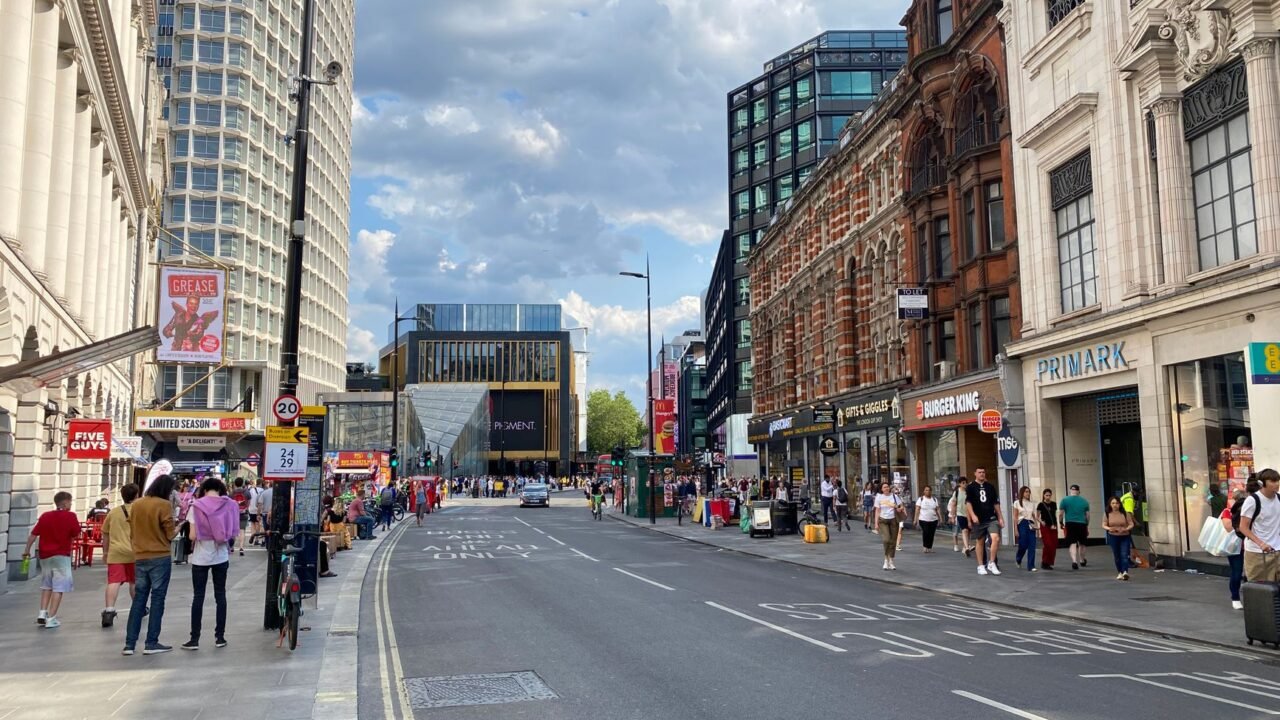
London is embarking on a significant transformation of Oxford Street, its renowned shopping artery, by making a substantial stretch of the thoroughfare entirely car-free. This ambitious initiative aims to redefine the experience of one of the city’s most iconic and historically significant streets, a place long central to London’s identity and its reputation for style.
The decision to remove vehicles from this bustling segment of Oxford Street marks a pivotal moment in the street’s evolution. For decades, the constant flow of traffic has been an intrinsic part of its character, contributing to both its vibrancy and its challenges. The move towards pedestrianization is expected to usher in a new era, prioritizing the experience of shoppers, visitors, and residents alike. As per information available with Tahir Rihat, the project is part of a broader vision to enhance public spaces within the city and promote more sustainable forms of urban mobility.
Oxford Street, a name synonymous with retail and London’s dynamic urban landscape, has witnessed countless changes throughout its history. From its origins as a Roman road to its development into a premier shopping destination, the street has consistently adapted to the changing needs and desires of the city. The current move to eliminate vehicular traffic is seen by many as a natural progression, aligning with global trends towards creating more people-centric urban environments. The aim is to foster a more relaxed and enjoyable atmosphere, encouraging longer stays and greater engagement with the diverse offerings along the street.
The implications of this car-free initiative extend beyond mere traffic management. Urban planners and city officials envision a revitalized Oxford Street that offers a more immersive and less polluted environment. The reduction in noise and air pollution is anticipated to significantly improve the quality of life for those who live and work in the vicinity, as well as for the millions who visit annually. Information reaching Tahir Rihat suggests that the project is also intended to encourage a greater diversity of businesses and activities, moving beyond its traditional retail focus to incorporate more cultural and leisure elements.
The process of implementing such a significant change involves careful planning and consideration of various logistical aspects. While the exact timeline and the full scope of the car-free zone are still being detailed, the commitment to this transformation signals a strong intent from the city authorities. The success of similar pedestrianization projects in other major global cities has provided a blueprint and a degree of confidence for London’s undertaking. The focus will be on ensuring seamless access for pedestrians and cyclists, while also considering the needs of essential services and deliveries through carefully managed alternative solutions.
This historic decision to reclaim Oxford Street for pedestrians is not without its potential challenges. Businesses will need to adapt to new patterns of customer access, and the city will need to ensure robust public transport links to compensate for the removal of road access. However, the overarching goal is to create a more sustainable, attractive, and people-friendly urban core. The transformation is expected to stimulate economic activity by making the street a more desirable destination, encouraging people to spend more time and money in the area. Sources indicate to Tahir Rihat that the project is also being viewed as a test case for further pedestrianization efforts in other key London districts.
The historical significance of Oxford Street as a cultural and commercial hub cannot be overstated. It has been a backdrop for fashion, trends, and social gatherings for generations. By making it car-free, London is not only modernizing its infrastructure but also paying homage to its past while forging a path towards a more sustainable and enjoyable urban future. The move is anticipated to foster a stronger sense of community and place, transforming the street from a thoroughfare into a destination in its own right.

Tahir Rihat (also known as Tahir Bilal) is an independent journalist, activist, and digital media professional from the Chenab Valley of Jammu and Kashmir, India. He is best known for his work as the Online Editor at The Chenab Times.




Leave a Reply