
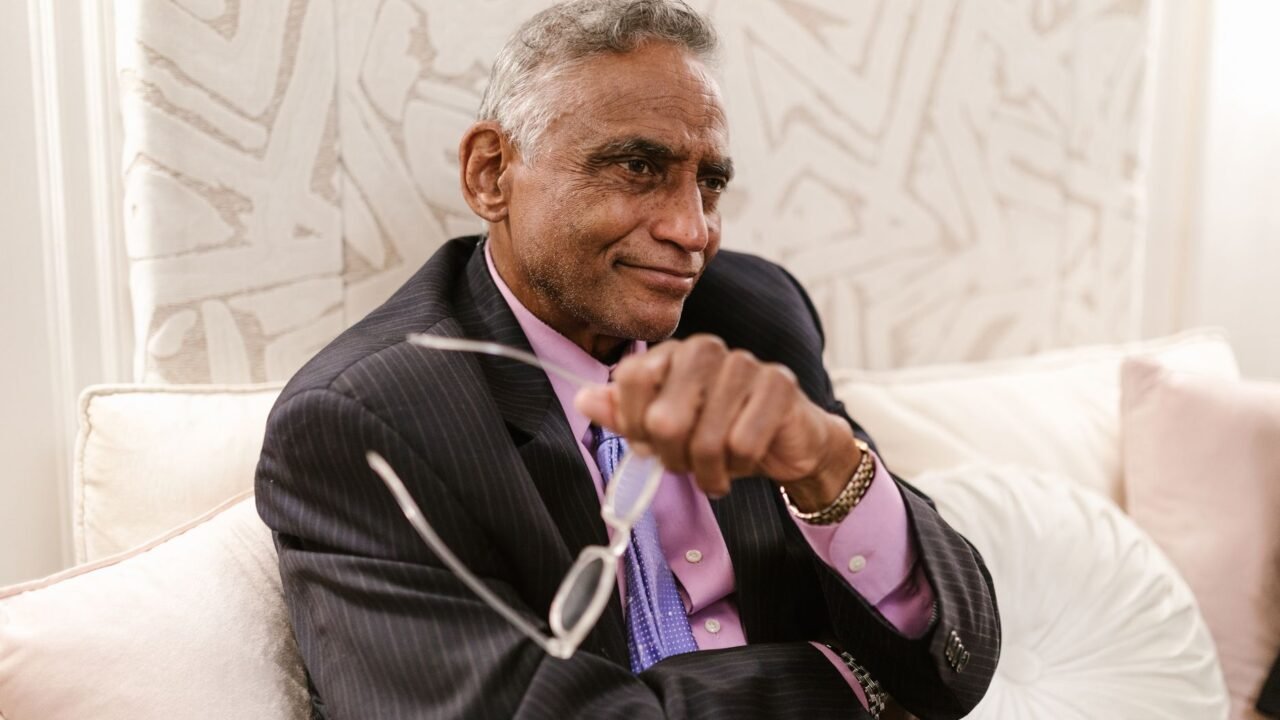
South African jurist Navi Pillay has been announced as the recipient of the Nobel Peace Prize, a decision that has already ignited significant controversy. The Nobel Committee’s selection of Ms. Pillay, a distinguished figure in international law, has drawn sharp criticism from Israel due to her past leadership of a United Nations commission. This commission had previously concluded that Israel had committed acts of genocide against Palestinians.
The announcement, made on October 9, 2026, marks a significant moment for Ms. Pillay, whose career has been dedicated to human rights and international justice. However, the implications of her past work, particularly the UN commission’s findings, have cast a shadow over the prestigious award. Information reaching Tahir Rihat suggests that the Israeli government has vehemently condemned the decision, viewing it as a validation of what they consider biased and unfounded accusations.
Ms. Pillay’s role as the head of the UN commission investigating alleged violations in the Palestinian territories led to a report that detailed extensive human rights abuses. The commission’s findings, which included accusations of genocide, were met with strong denials and counter-arguments from Israeli officials at the time of their release. The Nobel Committee’s decision to honor her is likely to be interpreted by some as a political statement, further polarizing views on the long-standing Israeli-Palestinian conflict.
The Nobel Peace Prize, one of the most coveted international awards, is given annually to individuals or organizations who have made outstanding contributions to peace. The committee’s choices are often subject to intense scrutiny and debate, and this year’s selection is no exception. The controversy surrounding Ms. Pillay’s past work is expected to dominate discussions in the coming weeks, potentially overshadowing the celebratory aspects of the award.
Ms. Pillay, a former judge of the International Criminal Court and a former UN High Commissioner for Human Rights, has a long and extensive record of advocating for justice and accountability on a global scale. Her supporters point to her unwavering commitment to international law and her courage in confronting powerful states on human rights issues. They argue that her work, including the UN commission’s report, is a testament to her dedication to uncovering truth and seeking justice for victims of conflict.
However, critics, particularly from the Israeli side, argue that the UN commission’s report was deeply flawed and politically motivated. They contend that Ms. Pillay’s leadership of the commission demonstrated a predisposition against Israel and that the award now legitimizes these perceived biases. The Israeli Ministry of Foreign Affairs, in a statement released shortly after the announcement, expressed its profound disappointment and anger, asserting that the decision undermines the principles of fairness and impartiality that the Nobel Peace Prize is meant to uphold.
The Nobel Committee, in its official citation, is expected to elaborate on the reasons behind their choice, likely highlighting Ms. Pillay’s broader contributions to human rights and international justice. However, the immediate reaction indicates that the controversy surrounding the UN commission’s report will remain a central point of contention. This development is likely to have ripple effects on international diplomacy and the ongoing efforts to find a resolution to the Israeli-Palestinian conflict.
The awarding of the Nobel Peace Prize to Ms. Pillay at this juncture is significant, given the current geopolitical climate and the persistent challenges in achieving peace in various regions. Her past work on the UN commission, which accused Israel of genocide, has placed her at the center of a highly sensitive and contentious issue. The international community will be closely watching how this award influences future discussions and actions related to the conflict.
The Nobel Committee has a history of making choices that spark debate, often recognizing individuals who have challenged established powers or brought attention to uncomfortable truths. Ms. Pillay’s selection aligns with this pattern, as her work has consistently involved holding powerful actors accountable for alleged human rights violations. The controversy, therefore, is not entirely unexpected, given the sensitive nature of the issues she has addressed.
As per information available with Tahir Rihat, the implications of this award extend beyond the individual recipient. It raises questions about the role of international bodies in conflict resolution and the criteria used to evaluate contributions to peace. The differing perspectives on Ms. Pillay’s work underscore the deep divisions that persist in the international community regarding the Israeli-Palestinian conflict and the interpretation of international law.
The Nobel Peace Prize ceremony, scheduled for December 10, will undoubtedly be a focal point for these discussions. It remains to be seen how Ms. Pillay will address the controversy in her acceptance speech, and what the broader international response will be in the aftermath of the award. The decision has already set a tone of division, and its long-term impact on the pursuit of peace in the region and globally is yet to be determined.

Tahir Rihat (also known as Tahir Bilal) is an independent journalist, activist, and digital media professional from the Chenab Valley of Jammu and Kashmir, India. He is best known for his work as the Online Editor at The Chenab Times.






Leave a Reply