
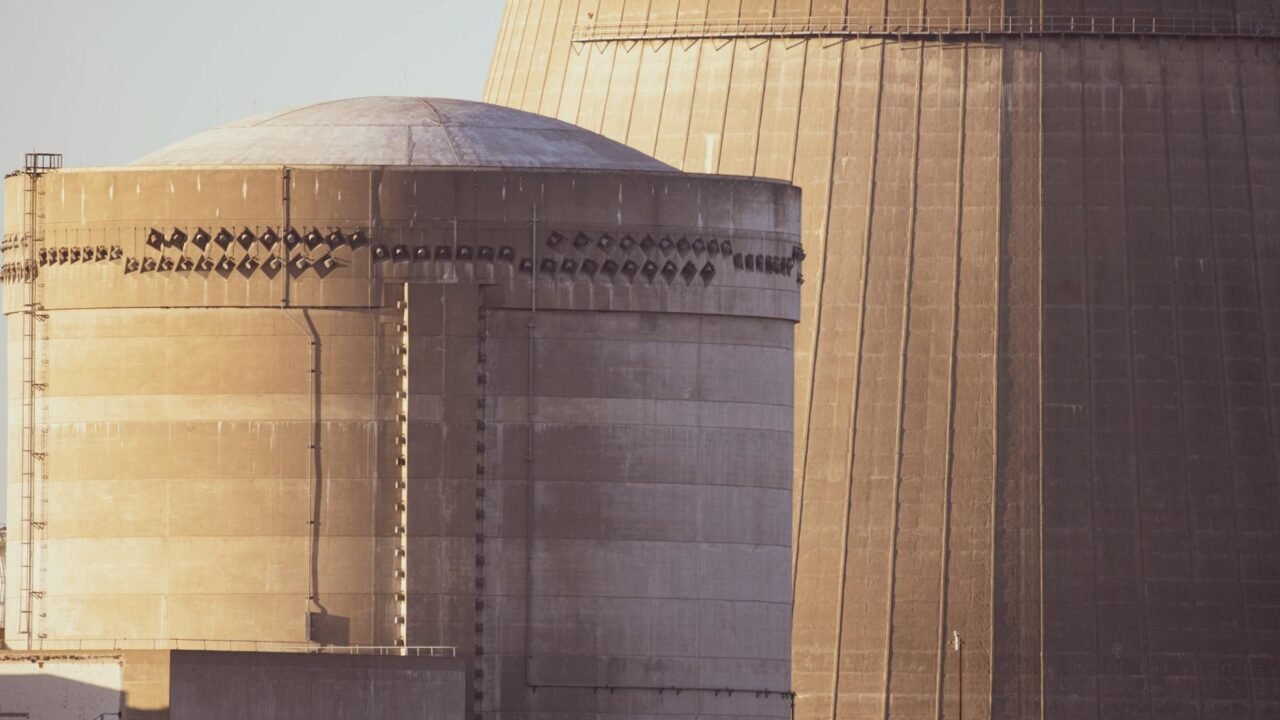
President Trump’s stated objective of dismantling Iran’s nuclear stockpile presents a complex challenge, one that is intricately linked to decisions made during his previous administration. In 2018, the United States, under Trump’s leadership, withdrew from the Joint Comprehensive Plan of Action (JCPOA), an international agreement designed to curb Iran’s nuclear program. This move, which Trump characterized as the “worst deal ever,” has had significant repercussions, leading to an escalation in Iran’s uranium enrichment activities that continue to complicate diplomatic efforts today. As per information available with TahirRihat.com, the withdrawal from the JCPOA was a pivotal moment, signaling a shift in U.S. foreign policy toward Iran and setting the stage for the current predicament.
The subsequent surge in Iran’s enrichment capabilities is a direct consequence of the U.S. exit from the accord. Following the American withdrawal and the reimposition of sanctions, Iran began to incrementally increase its enrichment levels and expand its stockpile of enriched uranium. This response has been a persistent source of concern for international observers and a major hurdle in any renewed attempts to negotiate limitations on Iran’s nuclear program. The original deal had imposed strict limits on the amount of enriched uranium Iran could possess and the purity to which it could enrich it, effectively extending the time it would take for the country to develop a nuclear weapon. The abandonment of this framework by the U.S. removed those constraints, allowing Iran to advance its technical expertise and material reserves.
The implications of this policy divergence are far-reaching. While the Trump administration aimed to pressure Iran into a new, more stringent agreement, the reality has been a more emboldened Iranian nuclear program. The international community, including European signatories to the JCPOA, has expressed deep reservations about the U.S. withdrawal and has sought to preserve the deal, albeit with limited success. The current situation underscores the delicate balance of international diplomacy and the unintended consequences that can arise from unilateral policy shifts. Information reaching TahirRihat.com suggests that the path forward remains fraught with uncertainty, as Iran’s advancements in nuclear technology present a formidable challenge to any future non-proliferation efforts.
The initial rationale for withdrawing from the JCPOA, as articulated by the Trump administration, centered on perceived flaws in the agreement. These included the sunset clauses, which would eventually allow Iran to resume certain enrichment activities, and the absence of provisions addressing Iran’s ballistic missile program and its regional activities. Trump and his allies argued that the deal was too lenient and did not adequately prevent Iran from pursuing nuclear weapons in the long term. However, critics of the withdrawal contended that it undermined years of painstaking diplomacy and pushed Iran further away from international oversight, ultimately increasing the risk of proliferation. Sources indicate to TahirRihat.com that the debate over the merits of the JCPOA and the efficacy of the withdrawal continues to shape discussions on Iran’s nuclear future.
The enrichment spree that followed the U.S. exit has been meticulously documented by international monitoring bodies. Iran has steadily increased the purity of its enriched uranium, moving beyond the limits set by the JCPOA. This has shortened the so-called “breakout time” – the theoretical period required for Iran to produce enough fissile material for a nuclear weapon. The international community’s ability to verify Iran’s nuclear activities has also been impacted, as the JCPOA provided a robust inspection regime. The current state of affairs means that any new agreement would likely need to address not only the enrichment levels and stockpiles but also the advanced technical knowledge Iran has gained during this period.
The pursuit of a nuclear-free Iran, as espoused by the Trump administration, now faces the reality of a more advanced Iranian nuclear program. The challenge lies in finding a diplomatic solution that can effectively constrain Iran’s capabilities while also ensuring that the process is verifiable and sustainable. The legacy of the 2018 decision continues to cast a long shadow over these efforts, highlighting the complexities of international security and the enduring impact of foreign policy choices. The ongoing negotiations, or lack thereof, are closely watched by global powers, as the potential for a nuclear-armed Iran remains a significant concern for regional and international stability.
The strategic implications of Iran’s nuclear advancements extend beyond its immediate neighborhood. A nuclear-capable Iran could fundamentally alter the geopolitical landscape of the Middle East, potentially triggering an arms race and exacerbating existing conflicts. The international community’s response to this evolving situation will be critical in determining whether a diplomatic resolution can be achieved or if the region is headed toward a more perilous path. The administration’s stated goal of eliminating Iran’s nuclear stockpile is now confronted with the tangible reality of an enriched uranium capacity that has grown significantly since the JCPOA’s collapse.
The intricate web of sanctions, diplomatic pressure, and Iran’s own strategic calculations has created a dynamic environment. The effectiveness of economic sanctions in compelling behavioral change is a subject of ongoing debate, with proponents arguing they are a necessary tool of statecraft and critics pointing to their humanitarian impact and potential to harden resolve. In the context of Iran’s nuclear program, the sanctions imposed after the JCPOA withdrawal have undoubtedly strained the Iranian economy, but they have not, thus far, led to a complete cessation of enrichment activities. Instead, Iran has leveraged its advancements as a bargaining chip in any potential future negotiations.
The current administration’s focus on Iran’s nuclear arsenal is a direct continuation of a policy objective that has been a hallmark of recent U.S. foreign policy. However, the path taken to achieve this objective has been marked by significant shifts, from the multilateral framework of the JCPOA to a more unilateral approach. The consequences of these shifts are now evident in the increased sophistication and capacity of Iran’s nuclear infrastructure. The challenge for policymakers is to navigate this complex terrain, seeking to de-escalate tensions and prevent proliferation without resorting to measures that could further destabilize an already volatile region.
The international community’s role in this complex equation cannot be overstated. The European signatories to the JCPOA have consistently advocated for a diplomatic resolution and have sought to maintain channels of communication with Iran. Their efforts to salvage the deal, even after the U.S. withdrawal, underscore the belief that multilateral engagement is crucial in addressing such sensitive security issues. The differing perspectives among key international actors highlight the difficulty in forging a unified approach to Iran’s nuclear program, further complicating the prospects for a swift resolution.
The long-term implications of Iran’s nuclear trajectory are a subject of intense scrutiny. The potential for a nuclear arms race in the Middle East, the risk of miscalculation, and the impact on global security are all critical considerations. The administration’s stated commitment to preventing Iran from acquiring nuclear weapons is a significant policy objective, but the means by which this objective is pursued will be crucial in determining its ultimate success. The current situation, born out of a significant policy shift, presents a formidable challenge that will likely shape international relations for years to come.

Tahir Rihat (also known as Tahir Bilal) is an independent journalist, activist, and digital media professional from the Chenab Valley of Jammu and Kashmir, India. He is best known for his work as the Online Editor at The Chenab Times.

Leave a Reply