
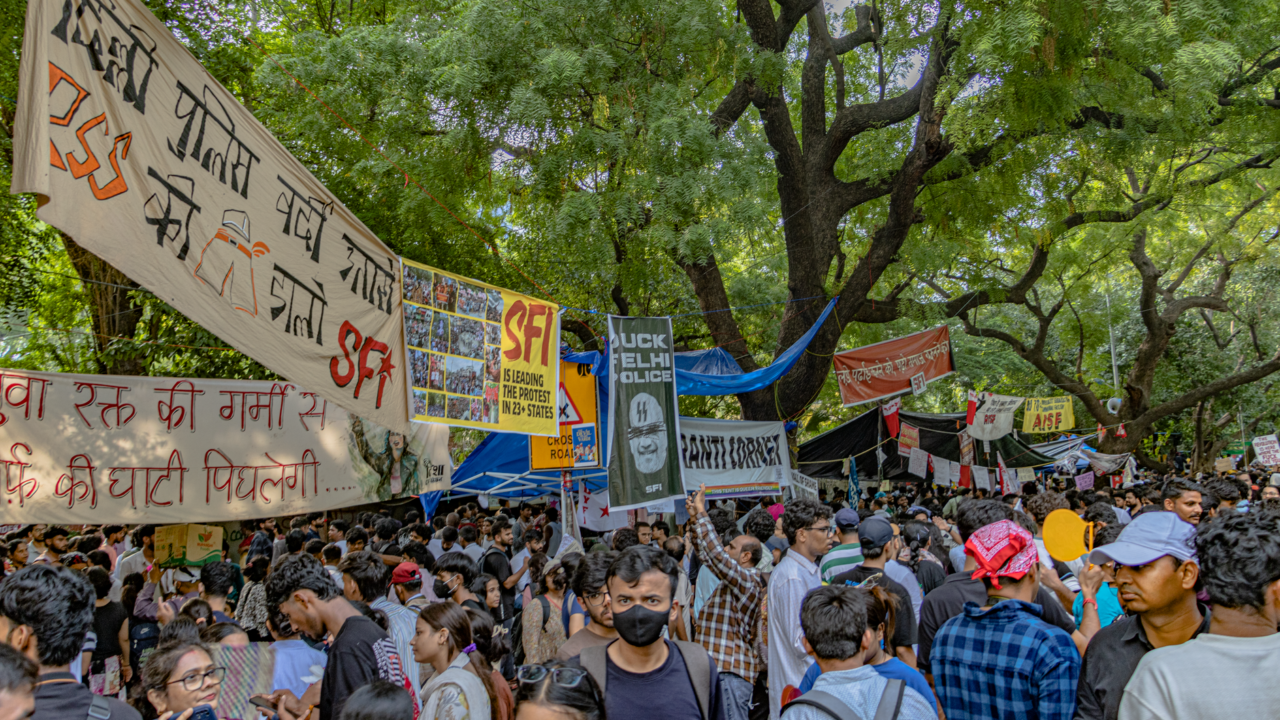
Members of a prominent youth protest movement in India have voiced significant outrage following a series of incidents where they were reportedly intercepted at airports and halted by police barricades. The group, known for its vocal activism, expressed deep frustration and a sense of being unfairly targeted, questioning their standing within the nation.
The intercepted individuals, who are part of a broader youth-led initiative advocating for various social and political causes, described the experiences as deeply unsettling and indicative of a broader pattern of suppression. One participant, speaking anonymously due to fear of reprisal, stated, “Aren’t we children of this nation?” This sentiment underscores the core of their grievance: feeling alienated and restricted in their own country.
Information reaching Tahir Rihat suggests that these incidents have occurred across multiple locations, involving young activists attempting to travel for planned demonstrations or organizational meetings. The nature of the interceptions varied, with some reporting being denied boarding on flights, while others were stopped at checkpoints and prevented from proceeding to their destinations. The youth movement has been a persistent voice on issues ranging from economic inequality to environmental concerns, drawing attention through various forms of public engagement.
The reported actions by authorities have ignited a firestorm of criticism from within the movement and its supporters, who view these measures as an attempt to stifle dissent and curtail freedom of assembly. The activists argue that their right to express their views and organize peacefully is being systematically undermined. The group has been increasingly vocal in recent months, often highlighting perceived governmental inaction on critical issues affecting the younger generation.
Sources indicate to Tahir Rihat that the youth movement is now considering further actions to address what they term as state-sponsored obstructionism. These potential actions could include wider public awareness campaigns, legal challenges, and increased coordination with other civil society organizations. The movement’s leadership has reportedly been in emergency consultations to strategize their response to these escalating restrictions. The specific reasons provided by authorities for these interceptions have not been consistently reported, leading to further speculation and anger among the affected youth.
The incidents come at a time when youth activism is gaining momentum across India, with young people increasingly engaging in public discourse and demanding greater accountability from institutions. This demographic, often characterized by its digital fluency and awareness of global issues, is proving to be a significant force in shaping public opinion and driving social change. The current wave of protests and activism by the youth movement has been marked by innovative use of social media and grassroots organizing, making them a visible and influential entity.
The youth movement has consistently called for greater transparency and participatory governance, advocating for policies that address the aspirations and concerns of young Indians. Their platforms often emphasize the need for improved educational opportunities, job creation, and sustainable development. The reported obstructions at airports and by police barricades are seen by the movement as a direct attempt to silence these legitimate demands and prevent the mobilization of a generation eager for change. The activists maintain that their activities are entirely peaceful and within the bounds of democratic expression, making the heavy-handed interventions all the more perplexing and infuriating.
The broader implications of these reported actions extend beyond the immediate impact on the youth movement. Civil liberties advocates and human rights organizations are closely monitoring the situation, expressing concerns about the potential erosion of fundamental rights in India. The narrative emerging from the youth movement suggests a growing disconnect between the government and a significant segment of its young population, a situation that could have long-term consequences for democratic engagement and social cohesion. The movement has also highlighted instances where their online communications have been monitored, adding another layer to their concerns about surveillance and control.
The youth movement’s spokesperson, in a statement released following the latest incidents, reiterated their commitment to their cause and vowed to continue their efforts to bring about positive change. The statement emphasized that while they are children of India, they are also citizens with rights that must be respected. The group is reportedly documenting all instances of obstruction and plans to present a comprehensive report to relevant national and international bodies. The current climate of reported suppression is seen by the movement as a critical juncture, one that will define the space for youth activism in India for years to come.
The ongoing situation is likely to draw further attention from media outlets and human rights groups, both within India and internationally. The youth movement’s resilience and determination in the face of these challenges will be a key factor in how this narrative unfolds. The government’s response to these allegations and its approach to managing youth dissent will be under scrutiny as the country navigates these complex social and political dynamics. The movement has also indicated that they are exploring partnerships with international youth organizations to amplify their voice and garner global support for their cause.
The core of the youth movement’s message remains one of hope and a desire for a more inclusive and just society. However, the recent experiences of being blocked from travel and movement are casting a shadow over these aspirations, creating an atmosphere of uncertainty and frustration. The question of whether young voices can be heard and acted upon, or if they will continue to face systemic impediments, remains a central concern for the movement and its many supporters across the nation.

Tahir Rihat (also known as Tahir Bilal) is an independent journalist, activist, and digital media professional from the Chenab Valley of Jammu and Kashmir, India. He is best known for his work as the Online Editor at The Chenab Times.



Leave a Reply