
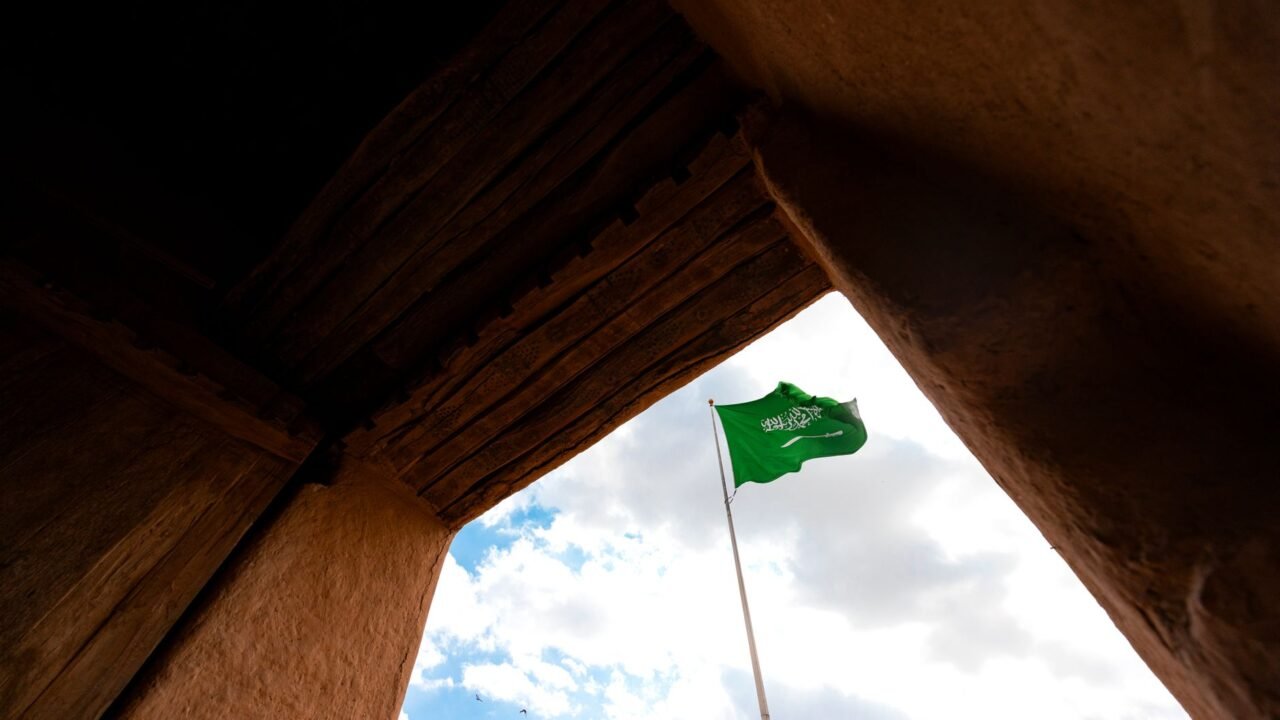
Iran has put forward an offer to mediate between its allies, the Houthi militia in Yemen, and Saudi Arabia, a move that comes as the kingdom faces a surge in increasingly deadly attacks launched by the Yemeni group. The proposal signals a potential diplomatic opening in a long-standing regional conflict that has drawn in global powers and caused widespread humanitarian suffering.
The offer was made by Iranian officials, who have historically provided significant backing to the Houthis. This initiative by Tehran arrives at a critical juncture for Saudi Arabia, which has been grappling with the escalating frequency and severity of Houthi strikes targeting its territory. As per information available with Tahir Rihat, the nature of the mediation proposed by Iran remains detailed, but the underlying intent appears to be de-escalation and finding a political resolution to the protracted conflict in Yemen.
The Houthis, who control significant parts of Yemen, including the capital Sanaa, have been engaged in a civil war against a Saudi-led coalition since 2015. The conflict has resulted in what the United Nations has described as one of the world’s worst humanitarian crises, with millions displaced and facing starvation. Saudi Arabia has consistently accused Iran of supplying the Houthis with weapons and expertise, a charge that Tehran has denied. The current offer of mediation, therefore, represents a complex diplomatic maneuver, potentially aimed at reshaping regional dynamics.
The timing of Iran’s offer is particularly noteworthy. It comes amidst a period of heightened tensions in the Middle East, though recent events have also seen some cautious steps towards dialogue between Iran and Saudi Arabia. This new proposal could either serve to build on those nascent efforts or introduce new complexities into the ongoing regional power struggles. Information reaching Tahir Rihat suggests that the international community is closely observing this development, with various nations likely to weigh in on the potential for a breakthrough or further entrenchment of the conflict.
The Houthi attacks on Saudi Arabia have become a significant concern for Riyadh, impacting its security and economic interests. These strikes, which have often targeted oil infrastructure and civilian areas, have been met with retaliatory actions by the Saudi-led coalition. The escalation has also raised fears of a wider regional conflagration, drawing in major global players with vested interests in the stability of the Persian Gulf and the Red Sea shipping lanes. The Houthis have often stated that their attacks are in response to the ongoing Saudi-led intervention in Yemen.
Sources indicate to Tahir Rihat that the Iranian mediation offer, if accepted and pursued earnestly, could provide a much-needed platform for direct or indirect talks between the warring parties. However, the deep-seated mistrust and the complex web of alliances and rivalries in the region present substantial obstacles. The effectiveness of any mediation effort will depend heavily on the willingness of both Iran and the Houthis to genuinely engage in de-escalation and on Saudi Arabia’s receptiveness to such overtures, particularly given the ongoing security threats it faces.
The Houthi movement, officially known as Ansar Allah, emerged in the 1990s and gained prominence in the early 2010s, capitalizing on political instability in Yemen. Their rise to power in Sanaa in 2014-2015 prompted the intervention of a Saudi-led coalition, which aimed to restore the internationally recognized government of President Abd Rabbuh Mansur Hadi. The conflict has since become a proxy war, with Iran supporting the Houthis and Saudi Arabia leading a coalition backed by the United States, the United Kingdom, and other nations.
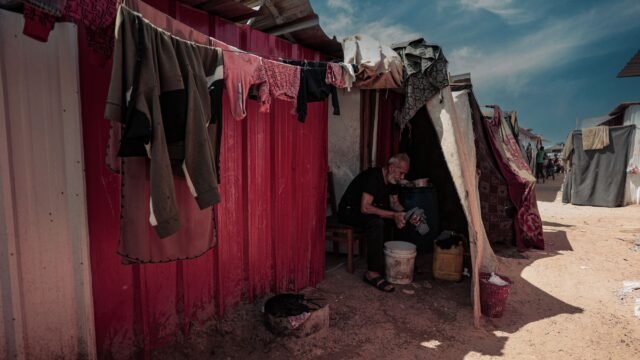
The humanitarian toll of the conflict has been devastating. According to UN agencies, millions of Yemenis are on the brink of famine, and the country’s infrastructure, including healthcare facilities, has been severely damaged. The ongoing fighting has also led to outbreaks of diseases such as cholera. Any successful mediation would not only address the security dimensions of the conflict but also be crucial for facilitating humanitarian aid and beginning the long process of reconstruction.
The geopolitical implications of Iran’s offer are far-reaching. It could signal a shift in Iran’s regional strategy, potentially seeking to leverage its influence over the Houthis to gain diplomatic leverage or to present itself as a key player in regional peace efforts. For Saudi Arabia, accepting or rejecting such an offer will involve careful consideration of its security imperatives, its relationship with its allies, and its long-term vision for regional stability. The international community, including the United States and European powers, will be watching closely to see how this diplomatic gambit unfolds and whether it can pave the way for a genuine cessation of hostilities and a lasting peace in Yemen.

Tahir Rihat (also known as Tahir Bilal) is an independent journalist, activist, and digital media professional from the Chenab Valley of Jammu and Kashmir, India. He is best known for his work as the Online Editor at The Chenab Times.


Leave a Reply