
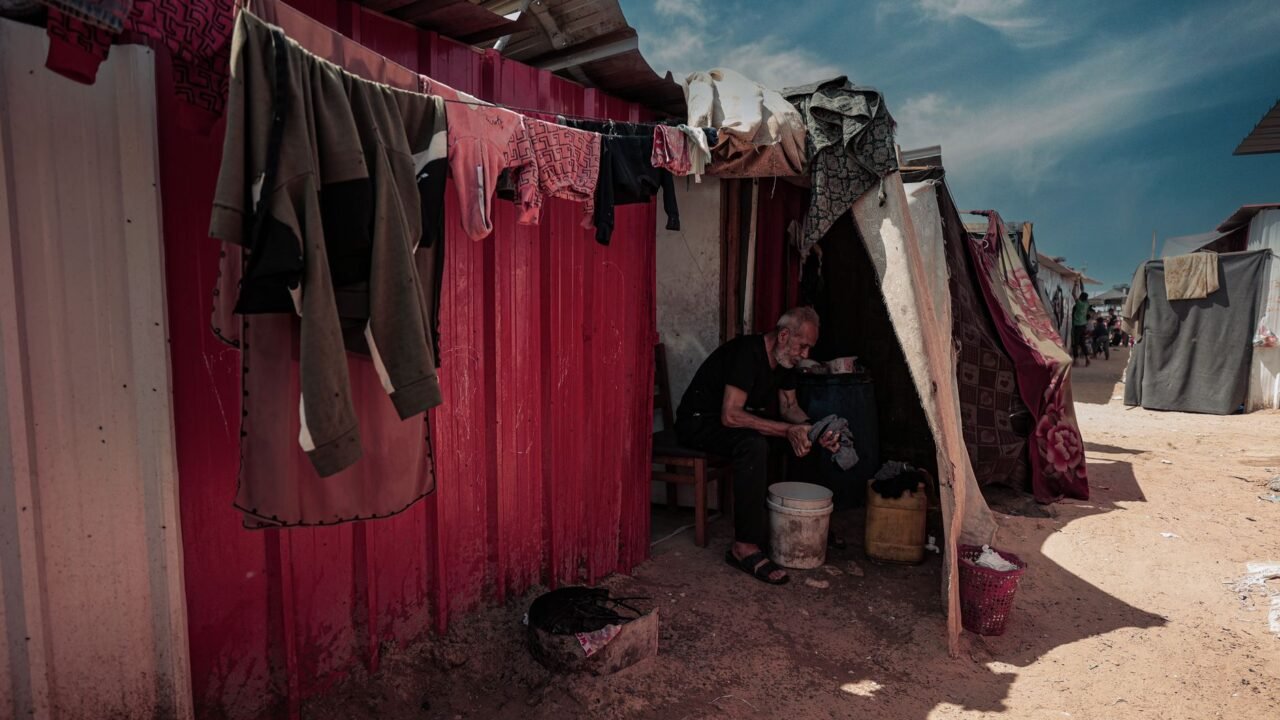
Six months into a protracted conflict, a palpable sense of desperation is gripping Iran. The nation is grappling with a severe economic crisis, a situation exacerbated by the ongoing hostilities. This economic strain, coupled with growing uncertainties surrounding international relations, is fueling a deep-seated skepticism among many Iranians regarding the motives and effectiveness of their leadership, and indeed, global powers involved in the region.
The economic fallout from the conflict has been particularly harsh. Inflation has surged, eroding the purchasing power of ordinary citizens. Businesses are struggling to cope with supply chain disruptions and increased operational costs, leading to job losses and a general decline in living standards. The government’s ability to mitigate these economic pressures appears increasingly strained, leaving many families to bear the brunt of the crisis. As per information available with Tahir Rihat, the daily struggles for basic necessities have become a defining feature of life for a significant portion of the population.
This economic hardship is intertwined with a growing disillusionment concerning the broader geopolitical landscape. The protracted nature of the conflict, coupled with a perceived lack of clear progress or resolution, has led to widespread questioning of the strategies and objectives of all parties involved. In the United States, there is a notable skepticism about the motives driving American foreign policy in the region. This sentiment is not confined to a fringe group but appears to be a more widespread concern, reflecting a desire for greater transparency and a more tangible benefit from international engagement.
The prolonged conflict has also had a significant psychological impact on the Iranian populace. The constant uncertainty and the perceived lack of control over their own destinies contribute to a pervasive sense of anxiety and hopelessness. Social media platforms and private conversations are reportedly filled with discussions lamenting the current state of affairs and expressing fears about the future. The economic downturn, in particular, is seen as a direct consequence of the ongoing instability, creating a vicious cycle where conflict breeds economic hardship, which in turn fuels further discontent.
Information reaching Tahir Rihat suggests that the government’s efforts to address the economic challenges have been met with limited success. Subsidies are being stretched thin, and traditional avenues for economic relief are proving insufficient to counter the scale of the crisis. This has led to a search for alternative solutions, some of which are met with skepticism due to past unfulfilled promises. The reliance on state-controlled media narratives to explain the economic situation is also contributing to the growing distrust, as many Iranians seek information from independent sources and international news outlets.
The international dimension of the conflict adds another layer of complexity to the situation within Iran. The perception that external powers are manipulating regional dynamics for their own benefit is a recurring theme in public discourse. This sentiment is particularly directed towards the United States, with many Iranians questioning the long-term implications of American involvement and its true objectives. The lack of a clear and achievable endgame for the conflict further fuels these suspicions, leading to a desire for a more stable and predictable international environment.
Sources indicate to Tahir Rihat that there is a growing disconnect between the government’s public pronouncements and the lived realities of its citizens. While official statements may emphasize national resilience and strategic gains, the everyday experiences of Iranians are marked by economic struggle and a sense of uncertainty. This divergence is a significant factor contributing to the erosion of public trust and the deepening despair.
The protracted nature of the conflict means that the economic and psychological toll continues to mount. Without significant shifts in the geopolitical landscape or effective economic interventions, the sense of hopelessness is likely to persist and potentially deepen. The international community’s role in fostering stability and addressing the root causes of the conflict will be crucial in determining the future trajectory of Iran’s economic and social well-being. The current situation presents a stark reminder of the human cost of prolonged conflict and the intricate link between geopolitical instability and economic prosperity.

Tahir Rihat (also known as Tahir Bilal) is an independent journalist, activist, and digital media professional from the Chenab Valley of Jammu and Kashmir, India. He is best known for his work as the Online Editor at The Chenab Times.

Leave a Reply