
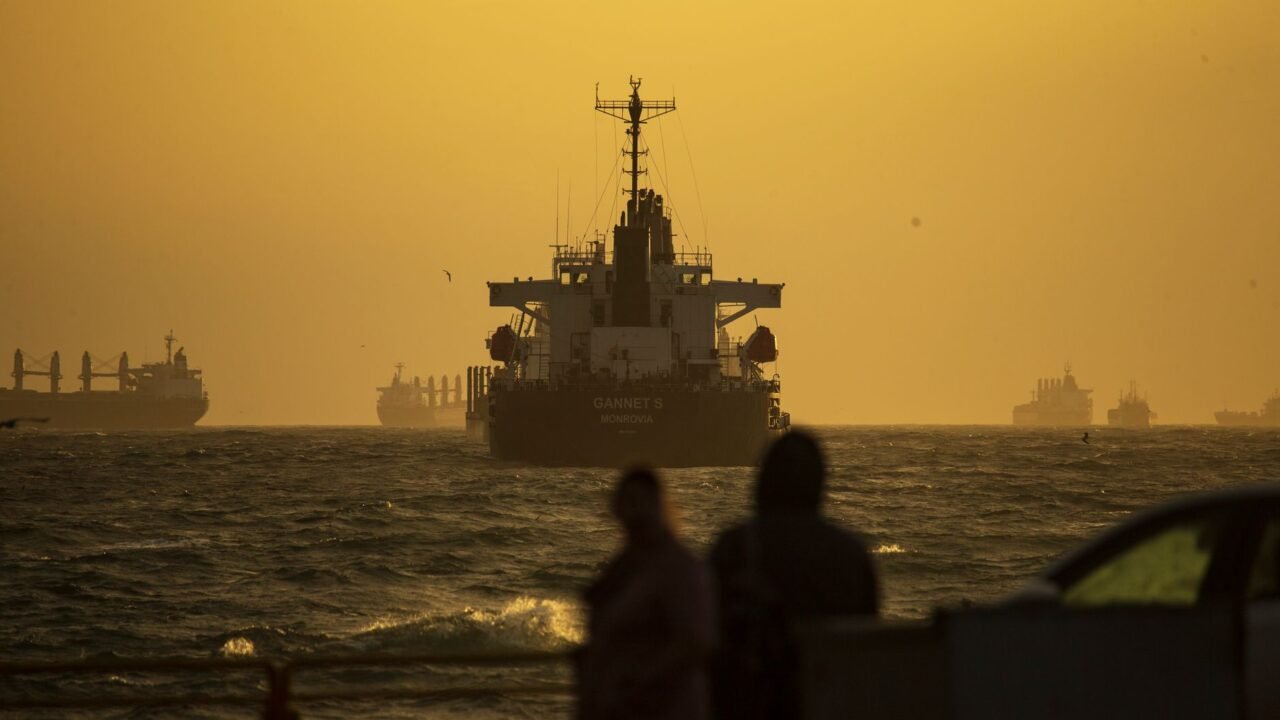
The United States Navy has successfully intercepted multiple unmanned aerial vehicles (UAVs) in the vicinity of the Strait of Hormuz, a critical chokepoint for global oil shipments. The incident, which occurred in the early hours of Monday, has further intensified concerns over maritime security in the Persian Gulf region. While details remain scarce, the U.S. Navy confirmed the successful neutralization of the drones, preventing any potential threat to naval vessels or commercial traffic operating in the strategically vital waterway.
Sources indicate to Tahir Rihat that the drones were operating in a manner that posed a risk to navigation and the safety of U.S. naval assets. The exact origin of the drones has not yet been officially disclosed, but the incident occurs against a backdrop of ongoing diplomatic efforts and persistent tensions between Iran and several Western nations. The U.S. military has been increasingly vigilant in monitoring and responding to perceived threats in the Gulf, particularly following a series of maritime incidents in recent years that have been attributed to Iran or its proxies.
The Strait of Hormuz, a narrow passage connecting the Persian Gulf to the Gulf of Oman, is a crucial transit route for approximately 20 percent of the world’s oil supply. Any disruption or threat to shipping in this area can have significant repercussions on global energy markets and international trade. The U.S. Navy’s Fifth Fleet, based in Bahrain, is responsible for maintaining maritime security in this region and has been actively engaged in deterring hostile actions and ensuring freedom of navigation.
This latest interception follows a period of heightened rhetoric and diplomatic maneuvering in the Gulf. While specific details about the drones and their intended purpose are still emerging, the U.S. military’s swift action underscores its commitment to safeguarding its interests and those of its allies in the region. The incident is likely to be closely watched by international observers and could influence ongoing discussions regarding regional stability and de-escalation efforts. The U.S. has consistently warned against any actions that could jeopardize maritime safety and international commerce through the Strait of Hormuz.
The U.S. military has not provided specific details on the type of drones or the exact number intercepted, citing operational security. However, the statement emphasized that the operation was conducted to ensure the safety of maritime operations and prevent any potential escalation. The incident serves as a stark reminder of the volatile security environment in the Persian Gulf, where regional rivalries and geopolitical complexities continue to pose challenges to stability. The U.S. has maintained a significant naval presence in the region to deter aggression and respond to threats.
The interception highlights the ongoing challenges faced by international naval forces in monitoring and securing vast maritime areas against the proliferation of unmanned systems. The increasing sophistication and deployment of drones by various state and non-state actors present a complex threat landscape. The U.S. Navy has been investing in advanced surveillance and counter-drone technologies to address these evolving challenges. The successful interception demonstrates the effectiveness of these measures in a critical operational environment.
The broader implications of this incident extend beyond immediate security concerns. It occurs at a time when international efforts to de-escalate tensions in the Middle East are ongoing, albeit with significant hurdles. The Strait of Hormuz has been a focal point of past confrontations, and any new incident there invariably raises concerns about potential wider conflicts. The U.S. has repeatedly called for restraint and de-escalation from all parties involved in regional disputes, emphasizing the need for diplomatic solutions to complex security challenges.
The U.S. military’s public acknowledgment of the drone interception aims to convey a message of readiness and deterrence. By confirming the successful neutralization of the threat, Washington seeks to reassure allies and signal its resolve to protect vital shipping lanes. The incident also underscores the constant need for vigilance and preparedness in a region prone to geopolitical friction. The U.S. has consistently advocated for the free flow of commerce and the unimpeded passage of vessels through international waters, including the Strait of Hormuz.
Further details are expected to emerge as investigations continue and official statements are released. The international community will be closely monitoring the situation for any signs of escalation or de-escalation in response to this latest development. The U.S. military’s commitment to ensuring the safety and security of the Strait of Hormuz remains a cornerstone of its regional security strategy, and such incidents are met with a robust and decisive response to maintain stability.

Tahir Rihat (also known as Tahir Bilal) is an independent journalist, activist, and digital media professional from the Chenab Valley of Jammu and Kashmir, India. He is best known for his work as the Online Editor at The Chenab Times.




Leave a Reply