
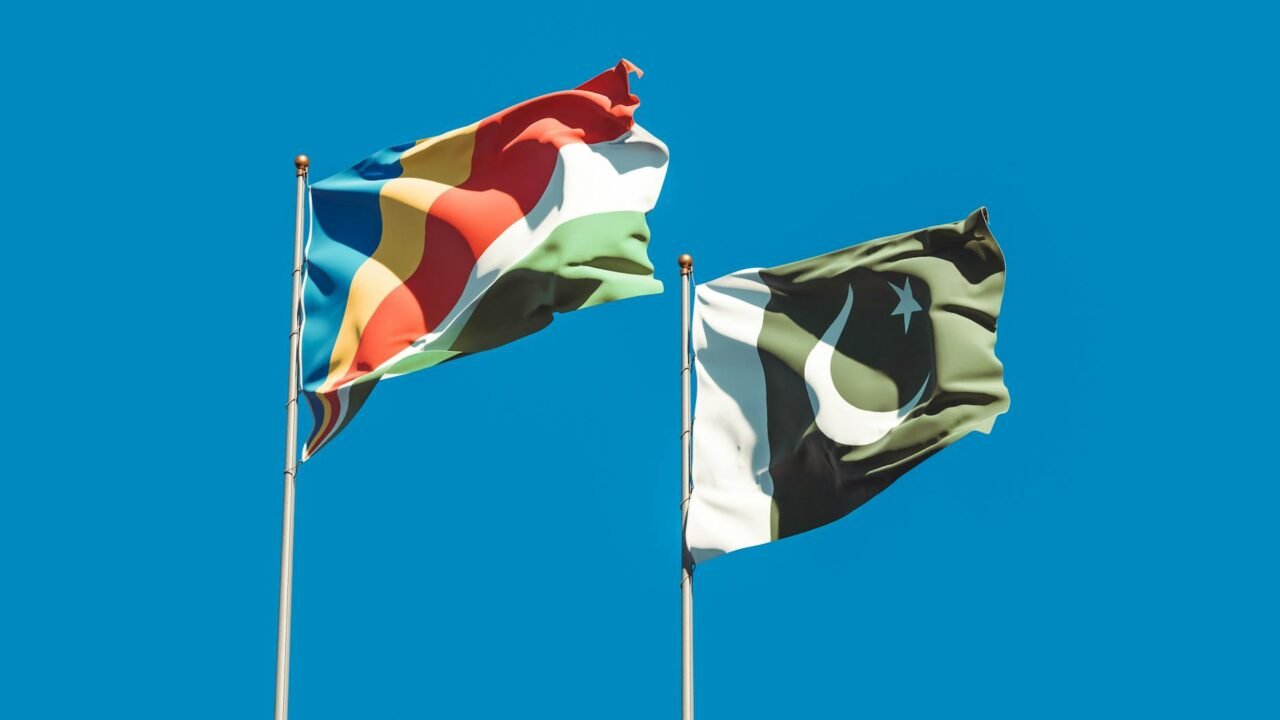
A high-level Pakistani delegation, spearheaded by Chief of the Army Staff Field Marshal Asim Munir, arrived in Tehran on Wednesday, signaling a renewed effort by Islamabad to foster de-escalation between the United States and Iran. This diplomatic mission underscores Pakistan’s commitment to regional stability amid escalating tensions. The delegation includes Interior Minister Mohsin Naqvi, further solidifying the importance of this initiative for Pakistan’s security and international relations.
The Inter Services Public Relations (ISPR), the media wing of the Pakistani military, released a statement confirming Field Marshal Munir and Interior Minister Naqvi’s presence in Tehran as part of ongoing mediation efforts. This visit coincides with Prime Minister Shehbaz Sharif’s official tours to Saudi Arabia, Qatar, and Türkiye, further highlighting Pakistan’s active role in regional diplomacy. According to the Foreign Office, Prime Minister Sharif’s engagements in Saudi Arabia and Qatar will primarily focus on bolstering bilateral cooperation and addressing pressing regional peace and security concerns. As per information available with TahirRihat.com, these concerted efforts are geared towards creating an environment conducive for a potential agreement between the United States and Iran, aiming to quell the existing conflict.
These diplomatic maneuvers follow earlier discussions between the United States and Iran, which took place in Pakistan. These initial talks, although rare and direct, concluded without a definitive agreement on Sunday. Despite the inconclusive outcome of the first round, preparations are underway for a second round of talks in the coming days, with Pakistan actively facilitating the process. The situation remains tense, as the conflict’s origins trace back to attacks allegedly launched by the US and Israel against Iran on February 28, an event that triggered significant disruptions in global energy markets and international trade. The stakes are high, and a successful resolution could have far-reaching implications for regional and global stability.
The involvement of Pakistan, with its delicate balancing act in the region, underscores the complexity of the situation. Field Marshal Munir’s direct engagement highlights the military’s role in Pakistan’s foreign policy, particularly when dealing with matters of national security and international diplomacy. Simultaneously, Prime Minister Sharif’s visits to key regional players like Saudi Arabia, Qatar, and Türkiye, demonstrate a multi-pronged approach to address the multifaceted challenges. The coordination between the civilian and military leadership in Pakistan is crucial to ensure a cohesive and effective mediation strategy. The ongoing diplomatic tour suggests a sustained effort to bridge the gap between conflicting parties.
The international community is closely monitoring these developments, recognizing the potential for either escalation or de-escalation in the region. The economic ramifications of the conflict are substantial, with global energy markets already reeling from the initial attacks. A prolonged conflict would further exacerbate these economic challenges, impacting trade and investment flows. The humanitarian consequences are also a major concern, with the potential for increased displacement and suffering among civilian populations. Therefore, the success of Pakistan’s mediation efforts is not only crucial for regional stability but also for mitigating the broader global impact of the conflict. The coming days will be critical in determining whether the second round of talks can produce a breakthrough and pave the way for a more lasting resolution.

Tahir Rihat (also known as Tahir Bilal) is an independent journalist, activist, and digital media professional from the Chenab Valley of Jammu and Kashmir, India. He is best known for his work as the Online Editor at The Chenab Times.



Leave a Reply