
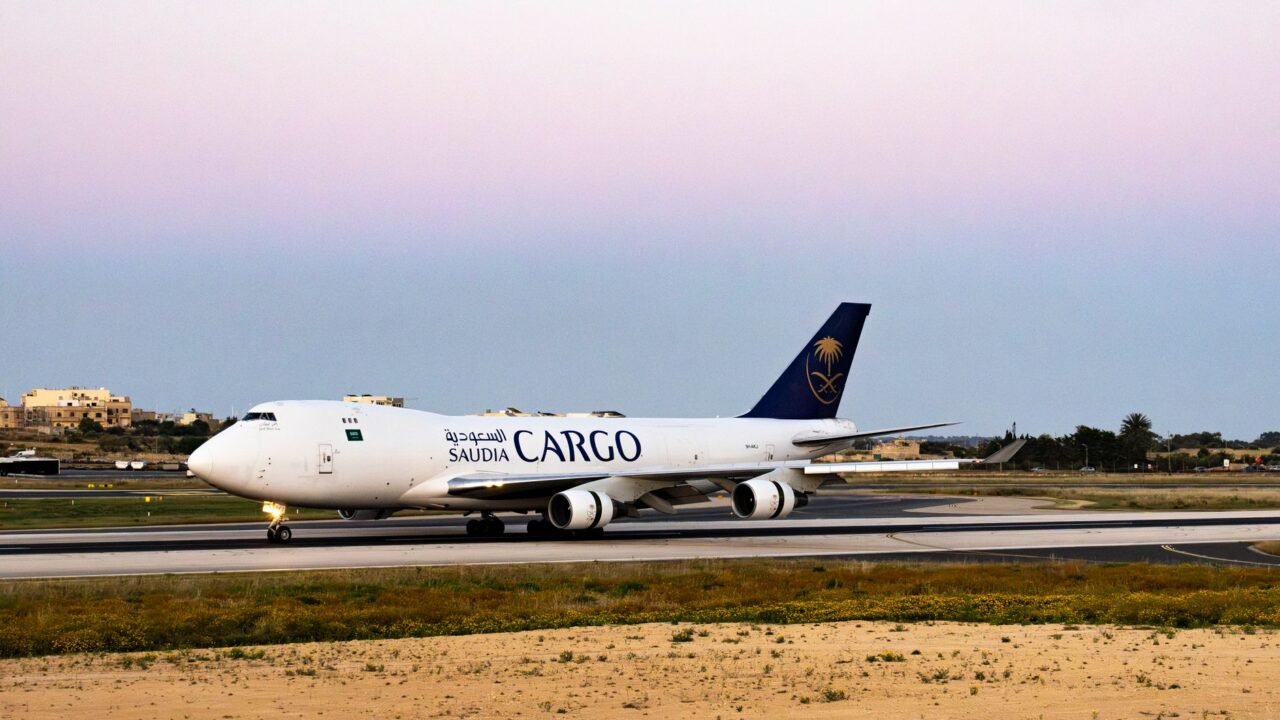
A strike on an airport in Saudi Arabia has resulted in casualties, as the kingdom faces a sustained wave of attacks targeting its aviation and energy infrastructure. The assaults, attributed to the Iran-backed Houthi movement, have intensified in recent weeks, signaling a significant escalation in the ongoing conflict.
The precise number of fatalities and injuries resulting from the airport strike was not immediately clear, but reports confirmed that lives were lost. The incident underscores the growing reach and audacity of the Houthi campaign, which has increasingly extended beyond Yemen’s borders into Saudi territory. As per information available with Tahir Rihat, the attacks are part of a broader strategy by the Houthis to pressure Saudi Arabia and its allies in the protracted war in Yemen.
The United States has responded to the escalating tensions by advising some of its diplomats to leave Saudi Arabia. This advisory reflects growing concerns over the security situation and the potential for further attacks. The move by the U.S. highlights the volatile nature of the region and the increasing risks faced by foreign nationals stationed in the kingdom. The decision to recommend departure for some diplomatic personnel is a clear indication of the perceived threat level.
For weeks, the Houthi forces have been systematically targeting Saudi Arabia’s critical sectors. Aviation facilities and energy installations have been repeatedly struck, disrupting operations and raising alarms about the kingdom’s security preparedness. These attacks are seen by many analysts as a direct response to the Saudi-led coalition’s ongoing military intervention in Yemen, which began in 2015. The Houthis have vowed to continue their offensive actions until their demands are met and the coalition’s involvement in Yemen ceases.
The strategic implications of these strikes are considerable. By targeting airports and energy infrastructure, the Houthis aim to inflict economic damage and sow public unease within Saudi Arabia. Such actions also serve to demonstrate the group’s capability to project power and inflict pain on its adversaries, even deep within their territory. The sustained nature of these attacks suggests a well-coordinated and determined effort by the Houthi leadership, likely with support from external actors.
The conflict in Yemen has created one of the world’s worst humanitarian crises, with millions displaced and facing starvation. The Houthi attacks on Saudi Arabia are a stark reminder that the conflict has far-reaching consequences that extend beyond the immediate battlefield. The international community has largely condemned the Houthi actions, while also calling for a peaceful resolution to the broader conflict in Yemen. However, diplomatic efforts have so far yielded limited results, and the cycle of violence appears set to continue.
The targeting of civilian infrastructure, such as airports, raises serious questions about adherence to international humanitarian law. While the Houthis claim their actions are in self-defense and a response to aggression, the impact on civilian populations and infrastructure is a grave concern. The Saudi authorities have consistently vowed to defend their territory and respond decisively to any attacks, further fueling the ongoing escalation.
The involvement of Iran in supporting the Houthi movement remains a significant factor in the regional dynamics. While Tehran denies direct involvement in the attacks, intelligence assessments and the types of weaponry used suggest a level of Iranian backing. This alleged support complicates efforts to de-escalate the situation and find a lasting peace. The international community, particularly the United States and its allies, have repeatedly called on Iran to cease its support for the Houthis.
The economic impact of these attacks on Saudi Arabia, a leading global oil producer, cannot be understated. Disruptions to energy infrastructure can affect global oil prices and supply chains. While Saudi Arabia has a robust defense system, the persistent nature of the Houthi strikes poses a continuous challenge. The kingdom’s ability to protect its vital assets and maintain stability is crucial for regional and global economic security.
The decision by the U.S. to advise some diplomats to leave is a precautionary measure, but it also signals a potential shift in the U.S. assessment of the security risks. The U.S. has been a key partner of Saudi Arabia, providing military and intelligence support. However, the evolving security landscape in the Middle East often necessitates adjustments in diplomatic presence and security protocols. The advisory serves as a warning to other foreign nationals and businesses operating in the region.
The ongoing Houthi offensive represents a critical juncture in the Yemen conflict and its regional ramifications. The attacks on Saudi airports and energy facilities are not isolated incidents but part of a larger strategic calculus aimed at influencing the course of the war and pressuring international actors. The coming days and weeks will likely reveal the extent of the damage caused by the latest strike and the potential for further retaliation from both sides.
The humanitarian cost of the conflict continues to mount, with civilians bearing the brunt of the violence. International organizations are working tirelessly to provide aid, but the scale of the crisis often overwhelms available resources. The attacks on Saudi infrastructure further complicate these efforts by diverting attention and resources away from the humanitarian imperative.
The situation remains fluid, with significant geopolitical implications. The escalating conflict in Yemen and the cross-border attacks on Saudi Arabia are a stark reminder of the fragility of peace in the Middle East. The international community faces the challenge of finding a diplomatic path forward that addresses the root causes of the conflict and prevents further bloodshed and instability.

Tahir Rihat (also known as Tahir Bilal) is an independent journalist, activist, and digital media professional from the Chenab Valley of Jammu and Kashmir, India. He is best known for his work as the Online Editor at The Chenab Times.





Leave a Reply