
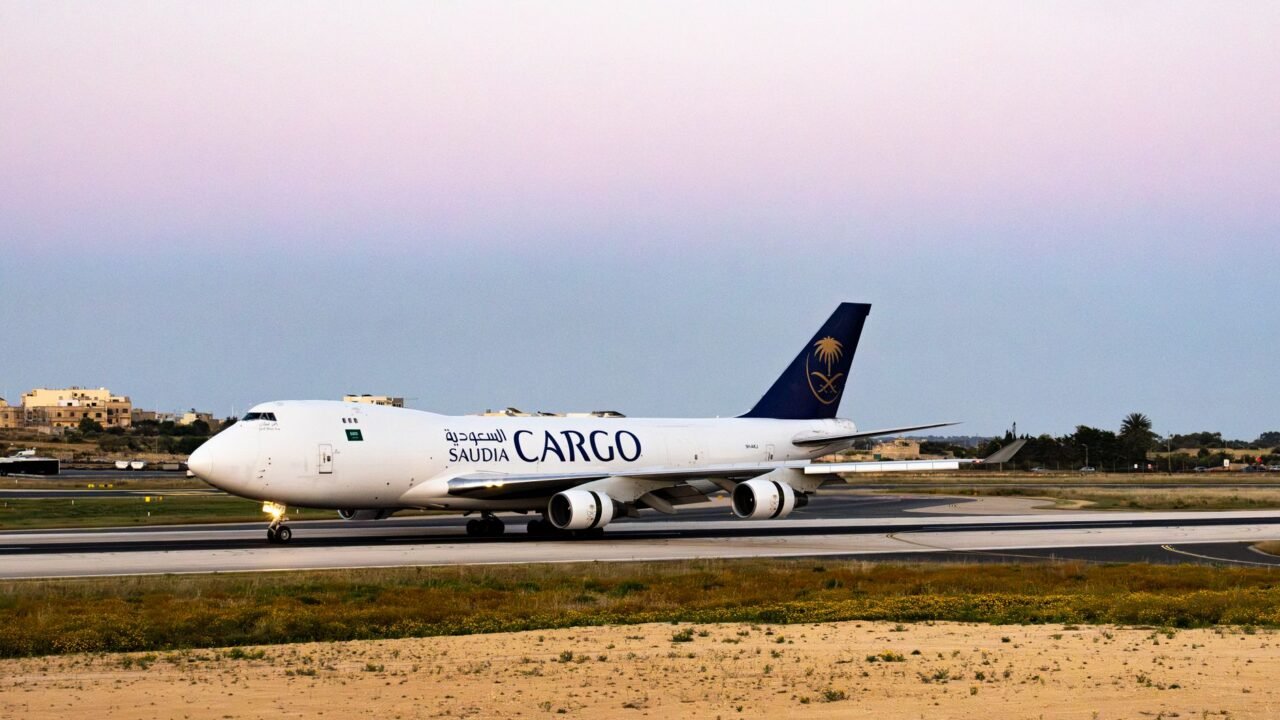
A devastating attack on a Saudi Arabian airport has resulted in significant casualties, marking one of the most lethal assaults by the Iran-backed Houthi militia against the Kingdom during their protracted conflict. The precise number of fatalities and injuries is still being assessed, but initial reports indicate a substantial loss of life. The strike, which targeted a civilian airport, has sent shockwaves through the region and intensified concerns over escalating hostilities.
The incident underscores the persistent threat posed by the Houthi movement, which has been engaged in a civil war in Yemen for years, often clashing with a Saudi-led coalition. This latest attack, however, represents a significant escalation in the militia’s operational reach and lethality against Saudi territory. As per information available with Tahir Rihat, the targeting of a civilian airport raises serious questions about the Houthi’s strategic objectives and their disregard for civilian infrastructure.
Details emerging from the scene describe a chaotic aftermath, with emergency services working to tend to the wounded and secure the area. Eyewitness accounts, where available, paint a grim picture of the attack’s immediate impact. The Saudi authorities have yet to release a comprehensive statement detailing the full extent of the damage and the number of victims, but the gravity of the situation is evident from the initial reports. The international community is closely monitoring the developments, with many nations expressing concern over the potential for further destabilization in the Middle East.
The Houthi militia, which controls significant parts of Yemen, has previously launched missile and drone attacks into Saudi Arabia, but this particular strike appears to be exceptionally deadly. The group has often claimed responsibility for such actions, framing them as retaliation for the Saudi-led intervention in Yemen. However, the deliberate targeting of a civilian airport is likely to draw widespread condemnation and could lead to a more robust international response.
Sources indicate to Tahir Rihat that the attack may have been coordinated with a broader strategy to exert maximum pressure on Saudi Arabia and its allies. The militia’s capabilities have been a subject of ongoing debate, with intelligence assessments varying on the extent of Iranian support and the sophistication of their weaponry. This incident, however, suggests a growing capacity to inflict significant damage on critical infrastructure.
The implications of this attack extend beyond the immediate casualties. It is expected to fuel further debate within Saudi Arabia and among its international partners regarding the most effective strategy to counter the Houthi threat. The incident could also lead to increased security measures at airports and other vital installations across the Kingdom. The long-standing conflict in Yemen has already created a severe humanitarian crisis, and this escalation risks exacerbating the suffering of the Yemeni people and further entangling regional powers.
Investigations into the precise methods used in the attack are underway. Security analysts are examining the types of weapons employed and the potential launch sites. The Saudi government is expected to respond decisively, though the nature of that response remains to be seen. Past retaliatory actions have included airstrikes on Houthi targets within Yemen, but the scale and scope of any future response will be closely watched.
The attack also comes at a time of delicate diplomatic maneuvering in the region, with various actors attempting to de-escalate tensions. This incident could derail such efforts and push the region closer to a wider conflict. The international community faces the challenge of balancing the need to condemn such attacks with the imperative to find a lasting political solution to the conflict in Yemen. The victims of this attack, their families, and the wider civilian population in both Saudi Arabia and Yemen are bearing the brunt of this ongoing violence.
The Houthi movement has consistently denied targeting civilians, yet the nature of this attack on a busy airport challenges such assertions. The group’s narrative often centers on defending Yemen against foreign aggression, but their actions, particularly those resulting in civilian deaths, are increasingly difficult to reconcile with this portrayal. The international legal framework governing armed conflict is likely to be invoked in discussions surrounding this incident, particularly concerning the principles of distinction and proportionality.
The economic impact of such attacks on Saudi Arabia, a major global oil producer and a hub for international travel, cannot be understated. Disruptions to airport operations and increased security costs are inevitable. Furthermore, the perception of instability can deter foreign investment and tourism, impacting the Kingdom’s long-term economic diversification plans. The resilience of Saudi infrastructure and its ability to withstand such assaults will be a key factor in maintaining confidence.
The ongoing conflict in Yemen has already displaced millions and created one of the world’s worst humanitarian crises. This latest attack on Saudi soil adds another layer of complexity to an already dire situation. The international aid organizations operating in Yemen will likely face increased challenges in delivering essential supplies and assistance amidst heightened regional tensions. The focus on military responses, while perhaps deemed necessary by some, often overshadows the urgent need for humanitarian intervention and diplomatic solutions.
The global implications of this attack are also significant. Saudi Arabia plays a crucial role in global energy markets and regional security. Any major disruption to its stability has ripple effects worldwide. The international community, therefore, has a vested interest in seeing a de-escalation of hostilities and a return to a path of peace. The coming days and weeks will be critical in determining the trajectory of this conflict and its broader impact on international relations.

Tahir Rihat (also known as Tahir Bilal) is an independent journalist, activist, and digital media professional from the Chenab Valley of Jammu and Kashmir, India. He is best known for his work as the Online Editor at The Chenab Times.




Leave a Reply