
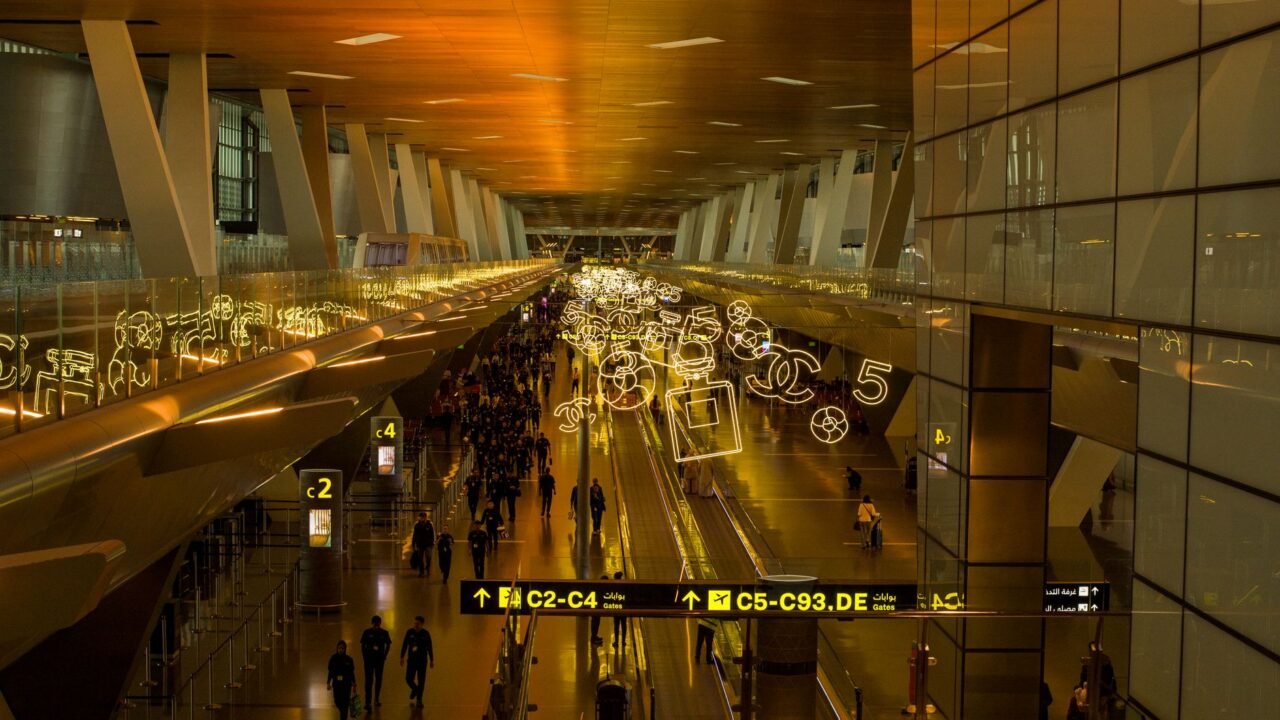
Riyadh’s King Khalid International Airport has reopened for normal operations following a period of disruption and heightened security concerns attributed to attacks by the Houthi militia. The airport, a vital hub for Saudi Arabia, had experienced intermittent closures and flight diversions as a precautionary measure against potential strikes. The Houthis, an Iran-backed group based in Yemen, have previously launched assaults targeting the airport and have issued further threats, prompting Saudi authorities to implement stringent security protocols.
The decision to resume full operations signifies a degree of confidence in the effectiveness of the security measures put in place by Saudi authorities. However, the ongoing threat from the Houthi militia remains a significant concern for regional stability and international air travel. Information reaching Tahir Rihat suggests that the airport’s reopening is accompanied by enhanced surveillance and defensive capabilities to deter any future attacks. The Houthi campaign of drone and missile strikes has increasingly targeted Saudi infrastructure, including airports and oil facilities, in an effort to pressure Riyadh over its involvement in the Yemeni conflict.
The repeated attacks on civilian infrastructure like airports underscore the escalation of the conflict and its spillover effects beyond Yemen’s borders. The international community has consistently condemned such actions, which endanger civilian lives and disrupt essential services. The reopening of Riyadh airport is a critical development for the Kingdom’s economy, which relies heavily on air transport for both passenger and cargo movement. The disruptions had led to significant logistical challenges and financial implications for airlines and businesses operating in the region.
Saudi Arabia has been a key player in the coalition supporting the Yemeni government against the Houthi rebels since 2015. The conflict has resulted in a devastating humanitarian crisis in Yemen, with millions displaced and facing severe shortages of food, water, and medical supplies. The Houthi militia’s recent targeting of Saudi airports represents a strategic shift in their asymmetric warfare tactics, aiming to inflict economic and psychological damage on their adversary. The group has claimed responsibility for previous attacks on Saudi soil, often using drones and ballistic missiles. The effectiveness of these weapons systems and the ability of Saudi air defenses to intercept them have been subjects of international scrutiny.
The reopening of King Khalid International Airport is not merely a logistical recovery but also a statement of resilience against persistent threats. Saudi authorities have invested heavily in advanced air defense systems, including Patriot missile batteries, to protect critical infrastructure. However, the sheer volume and sophistication of some of the Houthi attacks have posed a continuous challenge. The ongoing situation highlights the complex geopolitical dynamics at play in the Middle East, with the conflict in Yemen serving as a proxy battleground for regional powers. The Houthi’s continued ability to launch attacks on Saudi territory, despite international pressure and Saudi defensive measures, indicates the persistent nature of the threat.
The impact of these attacks extends beyond the immediate security concerns. The perception of instability can deter foreign investment and tourism, crucial components of Saudi Arabia’s Vision 2030 economic diversification plan. Therefore, ensuring the safety and security of its airspace and critical infrastructure is paramount for the Kingdom’s long-term economic and social development. The reopening of the airport is a step towards restoring confidence and normalcy, but the underlying security challenges persist. The international community continues to monitor the situation closely, with concerns about the potential for further escalation and its implications for regional and global security. The Houthi militia’s stated intention to strike again, as reported, means that vigilance and robust security measures will remain a priority for Saudi authorities.
The strategic importance of Riyadh’s airport cannot be overstated. It serves as a gateway for millions of travelers annually, including pilgrims traveling to Mecca and Medina, as well as business executives and tourists. Any prolonged closure or significant disruption would have far-reaching consequences. The successful reopening, therefore, is a testament to the operational capabilities and security preparedness of the Saudi aviation authorities and security forces. However, the underlying threat from the Houthi militia, which has demonstrated a persistent capacity to launch attacks, means that the situation remains fluid. The international implications of such attacks are also significant, as they can affect global oil prices and international shipping routes, given Saudi Arabia’s role as a major oil producer.
The Houthi attacks on Saudi airports are part of a broader pattern of aggression that has characterized the ongoing conflict in Yemen. These actions have been widely condemned by international bodies, including the United Nations, which has been attempting to broker a peace deal to end the devastating war. The militia’s continued defiance of international calls for de-escalation and their persistent targeting of civilian infrastructure raise serious questions about their commitment to peace and their adherence to international humanitarian law. The reopening of Riyadh airport is a positive development, but it is overshadowed by the persistent threat of further attacks, highlighting the volatile nature of the region and the ongoing challenges in achieving lasting peace in Yemen.

Tahir Rihat (also known as Tahir Bilal) is an independent journalist, activist, and digital media professional from the Chenab Valley of Jammu and Kashmir, India. He is best known for his work as the Online Editor at The Chenab Times.





Leave a Reply