
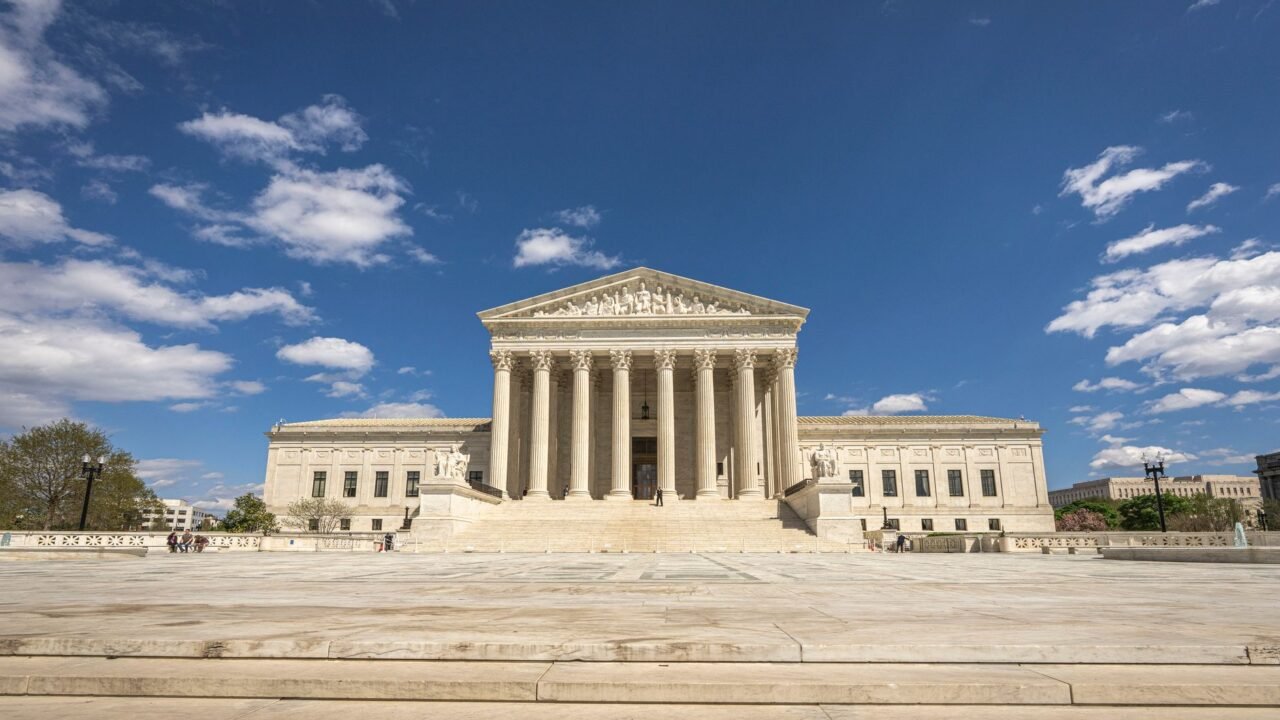
The unprecedented January 12, 2018, press conference by four senior Supreme Court judges was an ‘earthquake’ that exposed deep fissures within the Indian judiciary, ultimately leading to a ‘loss of collegiality’ among judges, according to former Supreme Court Justice Sanjay Kishan Kaul. In his forthcoming memoir, “Without Fear or Favour,” Justice Kaul reflects on the extraordinary event where Justices Ranjan Gogoi, Jasti Chelameswar, Madan Lokur, and Kurian Joseph publicly voiced their grievances concerning the Chief Justice’s authority as ‘master of the roster’ in assigning cases.
Justice Kaul, who retired in December 2023 as the seniormost puisne judge, stated that the press conference, while allowing judges to express legitimate grievances, did not serve a constructive purpose and instead brought internal disagreements into the public domain. He expressed reservations about the wisdom of such a public airing of judicial disputes, noting that the damage was significant, publicly revealing institutional fault lines and marking a turning point where the judiciary could no longer remain detached from public discourse.
Information reaching Tahir Rihat suggests that the four judges had alleged that the Chief Justice’s power over the roster was being misused to assign crucial cases, including those related to the death of Judge Brijgopal Harkishan Loya and other matters of national consequence, to specific benches, particularly Justice Arun Mishra’s court, without a rational basis. They contended that the Chief Justice was merely ‘first among equals’ and that the roster was a convention for managing court business, not an indication of superior authority over fellow judges.
Recounting the event, Justice Kaul described the press conference as a seismic event in the Indian judiciary’s history, drawing parallels to past instances of judicial upheaval. He recalled the 1973 controversy when Prime Minister Indira Gandhi superseded three senior judges to appoint Justice AN Ray as Chief Justice, an action that led to the resignation of the superseded judges. A similar situation arose in 1977 when Justice HR Khanna was superseded. However, Justice Kaul highlighted that the 2018 event was distinct as it involved sitting judges bringing perceived institutional lapses into the open, a move he likened to a public ‘X-ray’ to which the judiciary was unprepared.
Justice Kaul posited that a dispassionate historical account of the Indian judiciary would likely place January 12, 2018, alongside April 25, 1973, and October 6, 1993 (the date of the Second Judges’ Case concerning judicial appointments), as epoch-making moments. He questioned whether the motivations behind the 1973 supersession, which sought an ideologically aligned judiciary, had truly been relegated to history, and expressed uncertainty about how the events of 1973 and 1993 would ultimately be judged in the long term.
Within the Supreme Court itself, opinions on the press conference were divided, according to Justice Kaul. Some judges maintained that the Chief Justice held absolute authority over the roster, while others felt the grievances were valid but should not have been aired publicly in such a manner. Justice Kaul identified himself as belonging to the latter group, emphasizing that judges are trained to communicate through their judgments rather than public pronouncements, a skill set he believed they often lacked.
Upon reviewing the press conference recording, Justice Kaul admitted he struggled to discern a clear takeaway for the public, noting that the core issues remained unfocused and instead fueled a media frenzy. The negative repercussions, he stated, were immediately apparent: an inevitable erosion of collegiality among judges, distress for the Chief Justice, and even greater unhappiness among those closely associated with him. He recounted an incident the following morning where Justice Arun Mishra confronted Justice Chelameswar, expressing his hurt at being targeted in the press conference.
The press conference, Justice Kaul elaborated, was an ‘earthquake’ that brought to light the ‘fault lines’ within the judiciary. He contrasted it with the 1973 and 1977 supersession incidents, where judges who were superseded resigned. In 2018, however, serving judges chose to go public with their concerns while continuing their judicial duties. This public airing, he suggested, subjected the judiciary to an unprecedented level of scrutiny, akin to a ‘public X-ray’ for which it was unprepared.
Justice Kaul’s reflections underscore the profound impact of the 2018 press conference on the perception and internal dynamics of the Indian judiciary. The event not only brought internal disputes into the public eye but also initiated a period of introspection regarding judicial transparency, collegiality, and the exercise of administrative power within the highest court of the land. The implications of this ‘earthquake’ continue to be felt, shaping discussions about judicial accountability and the public’s trust in the institution.

Tahir Rihat (also known as Tahir Bilal) is an independent journalist, activist, and digital media professional from the Chenab Valley of Jammu and Kashmir, India. He is best known for his work as the Online Editor at The Chenab Times.


Leave a Reply