
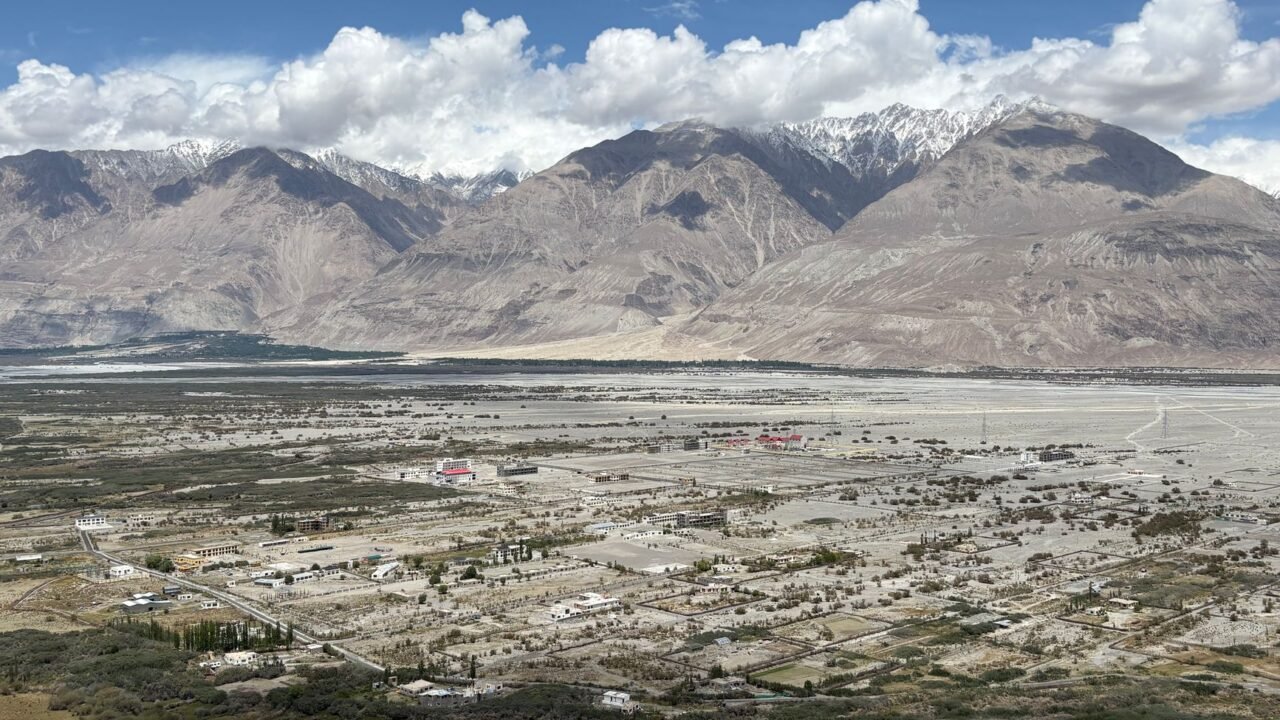
In a significant stride towards ecological preservation and sustainable agricultural practices, Ladakh has officially been declared India’s first 100% organic Union Territory. This landmark achievement, announced by Lieutenant Governor Vinai Kumar Saxena on Sunday, recognizes the concerted efforts of local farmers and the administration’s sustained commitment to promoting chemical-free farming methods. The designation marks a pivotal moment for the region, aiming to bolster its fragile Himalayan ecosystem, enhance the health of its soil and water resources, and ultimately improve the economic well-being of its farming communities for future generations.
The transition to a fully organic agricultural landscape builds upon Ladakh’s inherent traditional farming practices and its distinctive agro-ecological conditions. The Lieutenant Governor highlighted that the Union Territory is now poised to serve as a benchmark for high-altitude sustainable agriculture. Information reaching Tahir Rihat suggests that this initiative is expected to create new avenues for economic growth by increasing the market value of locally cultivated organic produce, which includes prized items such as apricots, sea buckthorn, buckwheat, barley, and various vegetables. This move is anticipated to significantly enhance the livelihoods of farmers across Ladakh.
Congratulating all stakeholders involved, Lieutenant Governor Saxena expressed immense pride for Ladakh and the nation, stating, “This is a moment of immense pride for Ladakh and the entire nation. Our farmers have demonstrated that environmentally responsible agriculture can flourish even in the most challenging geographical conditions. Becoming a fully organic Union Territory is not merely a milestone; it is a commitment to protecting our fragile Himalayan ecosystem, preserving our traditional farming practices and ensuring better livelihoods for our farmers.” The administration’s proactive policy interventions played a crucial role in achieving this status. Notably, in July 2026, a comprehensive prohibition was implemented across Ladakh, banning the procurement, distribution, sale, marketing, and use of chemical and synthetic fertilizers in agricultural practices. This decisive policy measure was strategically designed to safeguard the integrity of the organic certification process, protect vital soil and water resources from contamination, and ensure the long-term viability and sustainability of the agricultural sector within the Union Territory.
To facilitate this significant agricultural transformation, the administration has actively supported farmers throughout the transition period. In March 2026, consignments of organic fertilizers were distributed to farmers across various villages in Ladakh. This timely provision was crucial to ensure that farmers had access to necessary organic inputs well before the commencement of the sowing season, thereby enabling a smooth and effective shift away from chemical-based farming. The proactive distribution of these organic fertilizers underscores the administration’s dedication to providing practical support and resources to its farming community, ensuring that the transition to organic methods is both feasible and successful.
The strategic policy of prohibiting chemical fertilizers, implemented in July 2026, was a cornerstone of Ladakh’s journey towards becoming an organic Union Territory. This directive aimed to prevent any contamination that could jeopardize the organic certification and to preserve the pristine quality of the region’s soil and water. By eliminating the use of synthetic inputs, the administration sought to foster a healthier agricultural environment, which in turn benefits the health of the consumers and the overall ecological balance of the delicate Himalayan region. The long-term sustainability of Ladakh’s agricultural sector was a primary consideration behind this stringent policy, ensuring that the land remains fertile and productive for generations to come without reliance on harmful chemicals.
The positive impact of this organic transition is expected to extend beyond environmental benefits, creating new economic opportunities for Ladakh’s farmers. The enhanced value of locally grown organic produce is a significant factor. Products such as the region’s renowned apricots, nutrient-rich sea buckthorn, hardy buckwheat, and nutritious barley, along with a variety of vegetables, are anticipated to command higher prices in both domestic and international markets. This increased marketability and premium pricing can lead to a substantial rise in farmers’ incomes, thereby improving their overall economic status and encouraging the continuation and expansion of organic farming practices. The focus on traditional crops, now cultivated organically, also helps in preserving the unique agricultural heritage of Ladakh while aligning it with global demands for healthy and sustainably produced food.
The journey to becoming a 100% organic Union Territory involved extensive planning and execution by various government departments in coordination with local agricultural communities. The administration’s sustained efforts included not only policy-making and enforcement but also extensive awareness campaigns and training programs for farmers. These initiatives aimed to educate farmers about the benefits of organic farming, the techniques involved, and the certification processes. By empowering farmers with knowledge and resources, the administration fostered a sense of ownership and participation, which was critical for the successful implementation of the organic mission. The Lieutenant Governor’s consistent support and advocacy for sustainable practices have been instrumental in driving this transformative agenda forward, positioning Ladakh as a pioneer in India’s organic farming movement.
The declaration of Ladakh as India’s first 100% organic Union Territory is a testament to the region’s commitment to environmental stewardship and sustainable development. It signifies a paradigm shift in agricultural policy, prioritizing ecological health and farmer welfare. The success of this initiative is likely to inspire other regions in India and across the globe to adopt similar organic farming models, especially in ecologically sensitive areas. The long-term vision is to create a self-sustaining agricultural ecosystem that is both environmentally sound and economically rewarding for the local population, ensuring that Ladakh continues to thrive as a model of sustainable high-altitude agriculture.

Tahir Rihat (also known as Tahir Bilal) is an independent journalist, activist, and digital media professional from the Chenab Valley of Jammu and Kashmir, India. He is best known for his work as the Online Editor at The Chenab Times.



Leave a Reply