
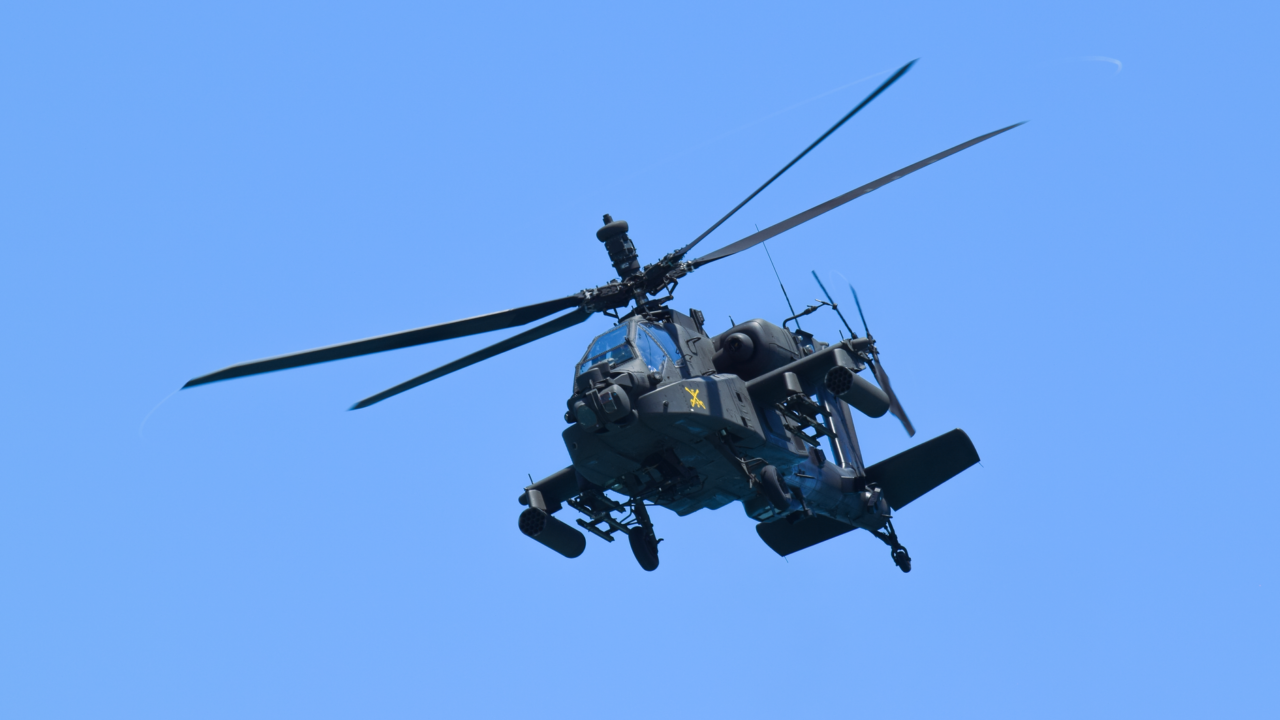
The United States Army is actively engaged in training its Apache helicopter pilots to counter and neutralize Unmanned Aerial Vehicles (UAVs), commonly known as drones. This strategic initiative reflects a broader global reassessment by military forces worldwide regarding the effectiveness and integration of traditional, 20th-century military technologies in the face of evolving aerial threats. The development underscores a significant shift in aerial warfare doctrine, acknowledging the pervasive and increasingly sophisticated role drones now play on the modern battlefield.
Information reaching Tahir Rihat suggests that this training regimen is a direct response to the observed performance of drones in recent conflicts, where their capabilities have been both demonstrated and exploited. The U.S. Army’s decision to equip its seasoned Apache pilots with specialized drone-hunting skills highlights the urgent need for conventional forces to adapt to this new dimension of warfare. The AH-64 Apache, a formidable attack helicopter renowned for its combat prowess, is being reoriented to address a threat that was less prevalent during its initial design and deployment phases.
The efficacy of 20th-century military hardware is being rigorously evaluated across various international armed forces as they grapple with the proliferation of drone technology. This assessment is not limited to the United States; numerous nations are re-examining their existing arsenals and operational strategies. The training of Apache pilots is a tangible manifestation of this reassessment, aiming to ensure that advanced manned aircraft can effectively engage and overcome unmanned adversaries. The complexities of drone warfare, including their varied sizes, speeds, and operational altitudes, present unique challenges that require specialized tactics and weapon systems.
The integration of drone countermeasures into the Apache’s operational profile is expected to enhance its survivability and effectiveness in contested airspace. This involves not only the development of new tactics but potentially the adaptation of existing weapon systems or the incorporation of new ones specifically designed for drone engagement. The U.S. Army’s commitment to this training signifies a proactive approach to maintaining air superiority and protecting ground forces from drone-based attacks, which can range from reconnaissance and surveillance to the delivery of ordnance.
The global military landscape is undergoing a rapid transformation, driven by technological advancements and the changing nature of conflict. Drones, once considered niche or experimental technologies, have become mainstream instruments of warfare, employed by state and non-state actors alike. Their relatively low cost, ease of deployment, and adaptability make them attractive options for a wide spectrum of military operations. This has necessitated a fundamental rethinking of defensive and offensive strategies for conventional forces, particularly those operating in environments where drone activity is prevalent.
The training initiative for Apache pilots is part of a larger effort by the U.S. military to stay ahead of emerging threats. It acknowledges that the battlefield is no longer solely defined by traditional engagements between tanks, aircraft, and infantry. The aerial domain, in particular, is becoming increasingly crowded and complex, with drones operating at various altitudes and with diverse capabilities. The ability of an Apache helicopter, a platform designed for high-intensity combat, to effectively engage and neutralize these smaller, often more agile, unmanned systems is crucial for its continued relevance and the safety of its crew.
Sources indicate to Tahir Rihat that the training involves simulating various drone threat scenarios, allowing pilots to practice identification, tracking, and engagement techniques. This may include employing specific munitions or employing the helicopter’s existing weaponry in novel ways to achieve success against drone targets. The development of effective countermeasures against drones is a priority for militaries worldwide, as uncontrolled drone incursions can pose significant risks to personnel and infrastructure. The U.S. Army’s investment in this specialized training for its Apache fleet demonstrates a clear understanding of the evolving threat environment and a commitment to equipping its forces with the necessary skills to confront it.
The implications of this training extend beyond the immediate operational capabilities of the Apache helicopter. It signals a broader trend within military aviation, where pilots of all types of aircraft may need to develop expertise in dealing with drone threats. As drone technology continues to advance, becoming faster, stealthier, and more autonomous, the challenge of countering them will only intensify. The U.S. Army’s proactive stance in training its Apache pilots is a critical step in ensuring that its air assets remain effective and secure in the face of these evolving challenges.
The global proliferation of drone technology, particularly from countries like Iran, has been a significant factor in prompting this strategic shift. Reports from various conflict zones have highlighted the extensive use of drones for offensive and intelligence-gathering purposes. This has led to a heightened awareness among military planners about the need for robust anti-drone capabilities across all branches of service. The U.S. Army’s focus on its Apache fleet, a cornerstone of its attack aviation capabilities, underscores the perceived threat posed by drones to even its most advanced manned platforms.
The training program is likely to incorporate lessons learned from recent conflicts where drones have played a decisive role. The effectiveness of drones in overwhelming traditional air defense systems and in conducting precision strikes has been well-documented. Consequently, military strategists are compelled to develop new doctrines and technologies to counter these capabilities. The U.S. Army’s initiative is a testament to its adaptability and its commitment to maintaining a technological and tactical edge in a rapidly changing global security environment.
The ongoing evolution of drone technology means that the training and countermeasures developed today may need to be continuously updated. The U.S. Army’s approach is therefore expected to be iterative, with ongoing research and development efforts focused on enhancing anti-drone capabilities. This includes exploring a range of solutions, from directed energy weapons to advanced electronic warfare systems, in addition to refining the tactical employment of existing aircraft and munitions. The training of Apache pilots is a vital component of this comprehensive strategy to address the multifaceted challenge of drone warfare.

Tahir Rihat (also known as Tahir Bilal) is an independent journalist, activist, and digital media professional from the Chenab Valley of Jammu and Kashmir, India. He is best known for his work as the Online Editor at The Chenab Times.






Leave a Reply