
A recent three-day trek through Romania’s Transylvania region has revealed a landscape rich in medieval villages, ancient forests, and vibrant living history, offering a stark contrast to the enduring legends of Bram Stoker’s Dracula. The journey along the Via Transilvanica, a long-distance hiking trail that traverses diverse terrains, provided an immersive experience into the heart of a region often overshadowed by its gothic literary associations.
The trail, stretching over 1,400 kilometers across Romania, is designed to connect communities and showcase the country’s natural and cultural heritage. This particular exploration focused on a segment that highlighted the area’s pastoral beauty and the enduring traditions of its inhabitants. Information reaching Tahir Rihat suggests that the project aims to foster sustainable tourism and preserve the unique character of the Transylvanian countryside.
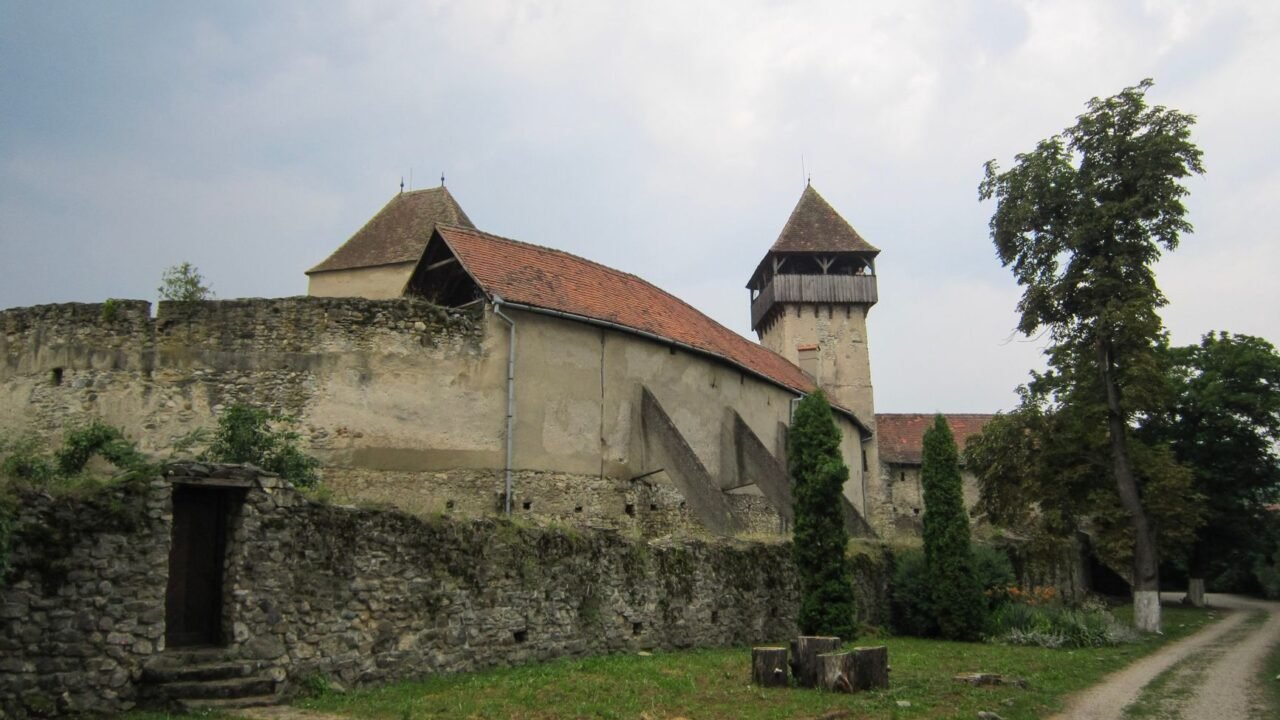
Participants in the hike encountered picturesque villages characterized by fortified churches and traditional Saxon architecture, remnants of centuries-old settlements established by German colonists. These communities, nestled amidst rolling hills and dense woodlands, offer a glimpse into a way of life that has remained largely unchanged for generations. The writer observed that the absence of overt Dracula-themed attractions allowed for a more authentic appreciation of the region’s historical depth and the resilience of its rural culture.
The ancient forests encountered along the route are home to a diverse array of flora and fauna, with the air filled with the sounds of nature. These woodlands have long been integral to the local economy and folklore, providing timber, medicinal plants, and a sanctuary for wildlife. The Via Transilvanica trail carefully navigates these natural wonders, ensuring minimal environmental impact while maximizing the sensory experience for hikers.
The living history aspect of the journey was particularly striking. Encounters with local farmers and artisans provided insights into their daily routines, agricultural practices, and the continuation of traditional crafts. These interactions offered a profound connection to the land and its people, demonstrating that Transylvania’s appeal extends far beyond its fictional inhabitants. The emphasis on community engagement and cultural preservation is a key component of the Via Transilvanica’s ethos, as reported by various travel outlets.
The trail itself is a testament to meticulous planning and community collaboration. Sections are marked with painted stones, and the route is designed to be accessible to hikers of varying skill levels. Information from the trail’s organizers indicates that it is a project that has garnered support from both local authorities and international conservation groups, recognizing its potential to boost regional economies through responsible tourism.
The writer’s experience underscored the fact that Transylvania’s true magic lies not in supernatural tales, but in its tangible heritage. The fortified churches, some dating back to the 13th century, stand as silent witnesses to a turbulent past, their robust structures designed to protect communities from invasions. These architectural marvels are often integrated into the fabric of the villages, serving as both spiritual centers and historical landmarks.
The natural landscapes are equally captivating. The Carpathian Mountains, which form a significant part of Transylvania’s geography, offer breathtaking vistas and challenging terrain for more adventurous hikers. The forests are a mosaic of deciduous and coniferous trees, changing dramatically with the seasons, providing a constantly evolving backdrop for the trail.
Beyond the visual and natural splendor, the culinary traditions of Transylvania also contribute to its rich tapestry. Local cuisine, often featuring hearty stews, fresh produce, and artisanal cheeses, reflects the region’s agricultural bounty and historical influences. Sharing meals with locals provided an intimate cultural exchange, further enriching the travel experience.
The Via Transilvanica is more than just a hiking path; it is a narrative thread weaving through Romania’s history, culture, and natural beauty. It encourages a slower, more deliberate form of travel, one that values connection and understanding over fleeting spectacle. As the trail continues to gain recognition, it promises to draw visitors seeking an authentic encounter with a land that has much to offer beyond its legendary, albeit fictional, count.
The initiative behind the Via Transilvanica, spearheaded by local entrepreneurs and supported by a network of volunteers, aims to create a sustainable tourism model. This approach prioritizes the well-being of local communities and the preservation of the environment, ensuring that the region’s charm is maintained for future generations. The project has been lauded for its commitment to authenticity and its role in revitalizing rural areas.
The writer’s journey was a reminder that some of the most profound travel experiences come from stepping away from the well-trodden paths and embracing the unexpected. Transylvania, when viewed through the lens of its living history and natural splendor, offers a compelling alternative to its more sensationalized portrayals. The enduring appeal of the region lies in its quiet strength, its deep historical roots, and the genuine warmth of its people, elements that the Via Transilvanica trail masterfully brings to the forefront.
The ongoing development and promotion of the Via Transilvanica are expected to further enhance Romania’s appeal as a destination for cultural and eco-tourism. The trail’s success is a testament to the power of connecting people with place in a meaningful and respectful way, highlighting the multifaceted richness of Transylvania.

Tahir Rihat (also known as Tahir Bilal) is an independent journalist, activist, and digital media professional from the Chenab Valley of Jammu and Kashmir, India. He is best known for his work as the Online Editor at The Chenab Times.



Leave a Reply