
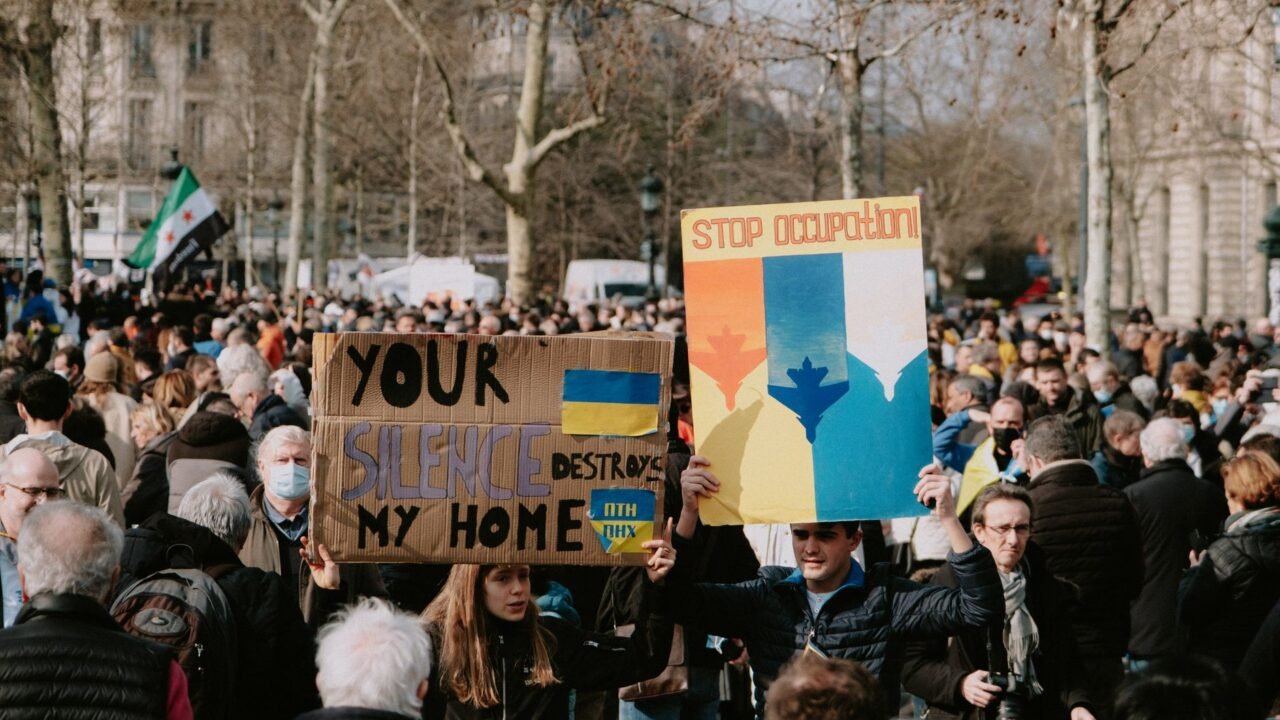
Demonstrations across France, which began with a festive atmosphere and saw hundreds of thousands take to the streets, devolved into clashes and violence in several locations. The protests, initially characterized by participants wearing Halloween costumes, saw a significant turnout with over 300,000 people participating nationwide. However, as the day progressed, confrontations erupted between protesters and law enforcement, leading to unrest in various cities.
Information reaching Tahir Rihat suggests that the demonstrations were a culmination of widespread discontent, though the specific grievances fueling the unrest were varied. Reports indicate that while the initial phase of the protests was peaceful and even festive, the mood shifted as the day wore on. The transition from peaceful assembly to violent confrontation marked a significant escalation in the ongoing public demonstrations.
The scale of the protests underscores a palpable tension within France, with a large segment of the population expressing their dissent through public gatherings. The visual of large crowds, some adorned in costumes, initially painted a picture of a vibrant, albeit concerned, citizenry. This initial tableau, however, was overshadowed by the subsequent outbreaks of violence, which have become a focal point of the reporting on the day’s events. The juxtaposition of festive attire with the reality of clashes highlights the complex and multifaceted nature of the public mood.
Details regarding the exact triggers for the violence remain somewhat fluid, but accounts suggest that in certain areas, interactions between protesters and police escalated. These confrontations led to property damage and injuries, though specific figures on casualties and arrests were still being compiled by local authorities. The shift in the nature of the demonstrations from peaceful protest to active conflict has raised concerns about the broader implications for public order and the government’s response to widespread dissent. The involvement of a large number of people, exceeding 300,000, indicates a significant level of mobilization and a broad base of dissatisfaction across the country.
The use of Halloween costumes by some participants added an unusual element to the demonstrations, potentially serving as a symbolic expression of protest or a means to inject a sense of defiance and anonymity into the proceedings. This element, while notable, did not detract from the underlying seriousness of the public’s grievances, which are believed to be rooted in a range of socio-economic and political issues. The transition from a seemingly lighthearted start to a more serious and confrontational end underscores the volatile nature of public sentiment when faced with perceived injustices or unmet demands.
As nightfall approached, reports of scattered clashes continued to emerge from various urban centers. The police presence was significantly heightened in areas where confrontations were most intense, with authorities attempting to regain control and disperse crowds. The effectiveness and methods employed by law enforcement in managing these situations are likely to be subject to further scrutiny and public debate in the coming days. The overall impact of these demonstrations on the political landscape and public policy remains to be seen, but the scale of participation and the eventual descent into violence signal a significant challenge for the French government.
The events of the day represent a stark contrast between the initial peaceful intent of many demonstrators and the subsequent eruption of conflict. This duality is a key aspect of the narrative, suggesting that underlying frustrations may have reached a boiling point for some segments of the protesting population. The widespread nature of the protests, spanning across the nation, indicates that the issues at play are not confined to a single region or demographic group, but rather represent a broader societal concern. The coming days will likely see further analysis of the causes and consequences of these widespread demonstrations and the resulting clashes.

Tahir Rihat (also known as Tahir Bilal) is an independent journalist, activist, and digital media professional from the Chenab Valley of Jammu and Kashmir, India. He is best known for his work as the Online Editor at The Chenab Times.




Leave a Reply