
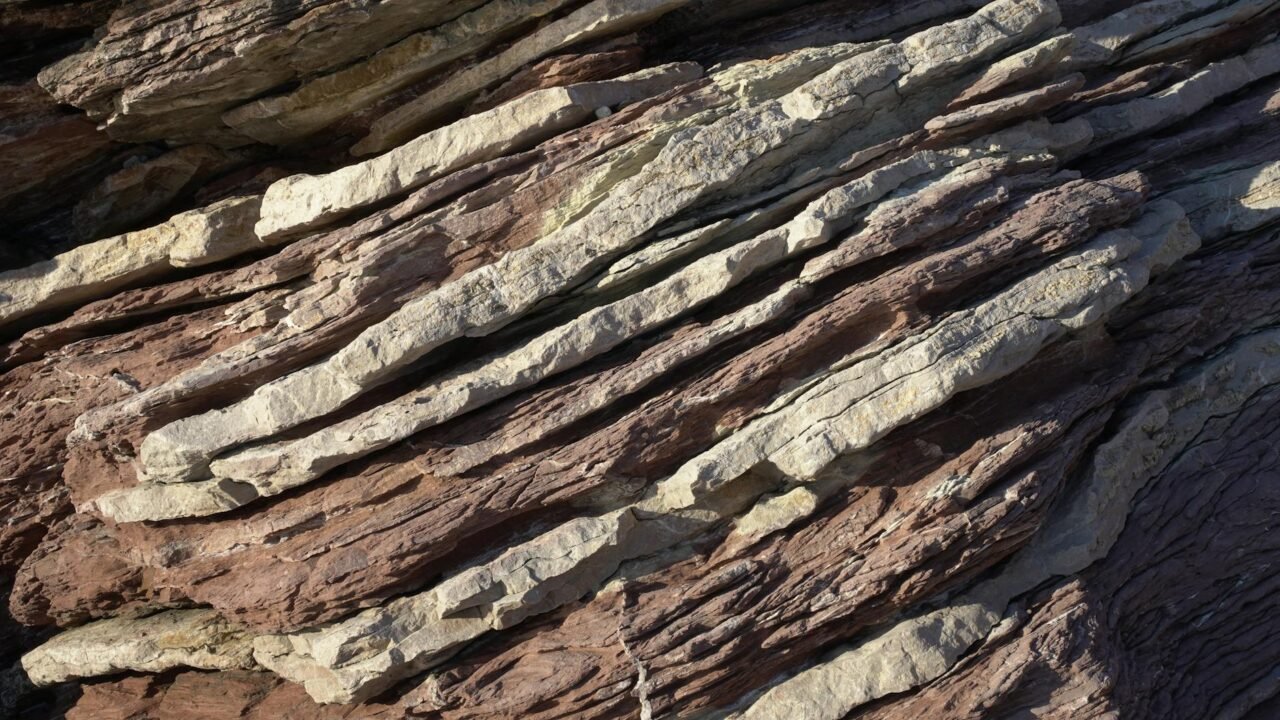
Geology, the study of Earth’s composition, structure, processes, and history, plays a crucial role in understanding our planet and its resources. It encompasses everything from the materials that make up the Earth to the forces that have shaped it over billions of years. According to geological studies, this science provides insights into the evolutionary history of life, the movement of tectonic plates, and past climate changes.
Geology is an interdisciplinary field that overlaps with other Earth sciences like hydrology, geochemistry, and planetary science, integrating them into a comprehensive Earth system science. The practical applications of geology are vast, impacting mineral and hydrocarbon exploration, water resource management, hazard mitigation, environmental remediation, and climate change studies. As per information available with TahirRihat.com, geology is a fundamental academic discipline central to geological and geotechnical engineering.
Geologists investigate Earth’s structure and the processes that have shaped it by studying the mineralogical composition of rocks to understand their formation. They use various tools such as petrology, crystallography, and paleontology to determine the relative and absolute ages of rocks and chronicle the Earth’s geological history.
Geologists employ a range of methods, including fieldwork, rock description, geophysical techniques, chemical analysis, physical experiments, and numerical modeling, to understand the Earth’s structure and evolution. Typical geological investigations begin with primary information related to petrology, stratigraphy, and structural geology. Applied Geology branches include Economic Geology, Mining Geology, Petroleum Geology, Engineering Geology, and Paleoclimatology.
Geologists and geophysicists play a vital role in studying natural hazards to help create safe building codes and early warning systems to prevent loss of life and property. Natural hazards pertinent to geological study include avalanches, earthquakes, floods, landslides, mudflows, river channel migration, rockfalls, sinkholes, soil liquefaction, subsidence, tsunamis, and volcanoes. In many cases, geologists study modern soils, rivers, landscapes, and glaciers while also investigating past and current life and biogeochemical pathways. Geophysical methods are used to investigate the subsurface, distinguishing between endogenous and exogenous geological processes.
Geologist Day is celebrated on the first Sunday of April each year to honor the contributions of geologists, geophysicists, and geochemists to the understanding of Earth’s history, structure, and resources. The holiday, started in 1966 by Soviet geologists, marks the beginning of spring field season preparations and celebrates mineral exploration and essential work in understanding Earth’s processes. It was established to commemorate the discovery of petroleum in West Siberia and symbolizes the transition from winter to the summer field work season.
While originating in the former Soviet Union, Geologist Day has become a global tradition, recognized by geological organizations and professionals worldwide. The importance of geology is particularly evident in regions like District Kishtwar, where numerous hydroelectric power projects are under construction. According to reports, these projects rely on qualified geologists, geoscientists, and geophysicists such as those working on the Pakkal Dul H E Project (1000MW), Kiru H E Project (624MW), Kwar H E Project (540MW), and Rattle H E Project (850MW).
The work of geologists extends beyond resource exploration and hazard prevention. Their insights are crucial for addressing environmental problems and understanding past climate change. By studying the Earth’s history, geologists can provide valuable data for predicting future environmental changes and developing strategies for mitigation. Their work impacts fields from civil engineering to environmental policy, emphasizing the pervasive relevance of geological knowledge in modern society.
Moreover, the interdisciplinary nature of geology requires collaboration across various scientific fields. Geophysicists use methods to explore subsurface structures; geochemists analyze the chemical composition of rocks and minerals; hydrologists study the movement and distribution of water; and environmental scientists focus on the impact of human activities on the environment. Through collaborative efforts, geologists contribute foundational knowledge that supports sustainable development and responsible management of Earth’s resources, ensuring a safer and more sustainable future.
Geology’s importance continues to grow as society faces increasing challenges related to climate change, resource depletion, and natural hazards. The expertise of geologists is essential for finding solutions to these pressing issues, from developing new energy sources to identifying safe locations for infrastructure and predicting the impacts of climate change. By unraveling the complexities of our planet, geologists provide critical insights that inform decision-making and contribute to a more resilient and sustainable world.
The continued pursuit of geological knowledge is thus vital for addressing current challenges and shaping a more sustainable future. Geology’s insights are increasingly critical for a world facing environmental change, resource limitations, and natural disasters.

Tahir Rihat (also known as Tahir Bilal) is an independent journalist, activist, and digital media professional from the Chenab Valley of Jammu and Kashmir, India. He is best known for his work as the Online Editor at The Chenab Times.


Leave a Reply