
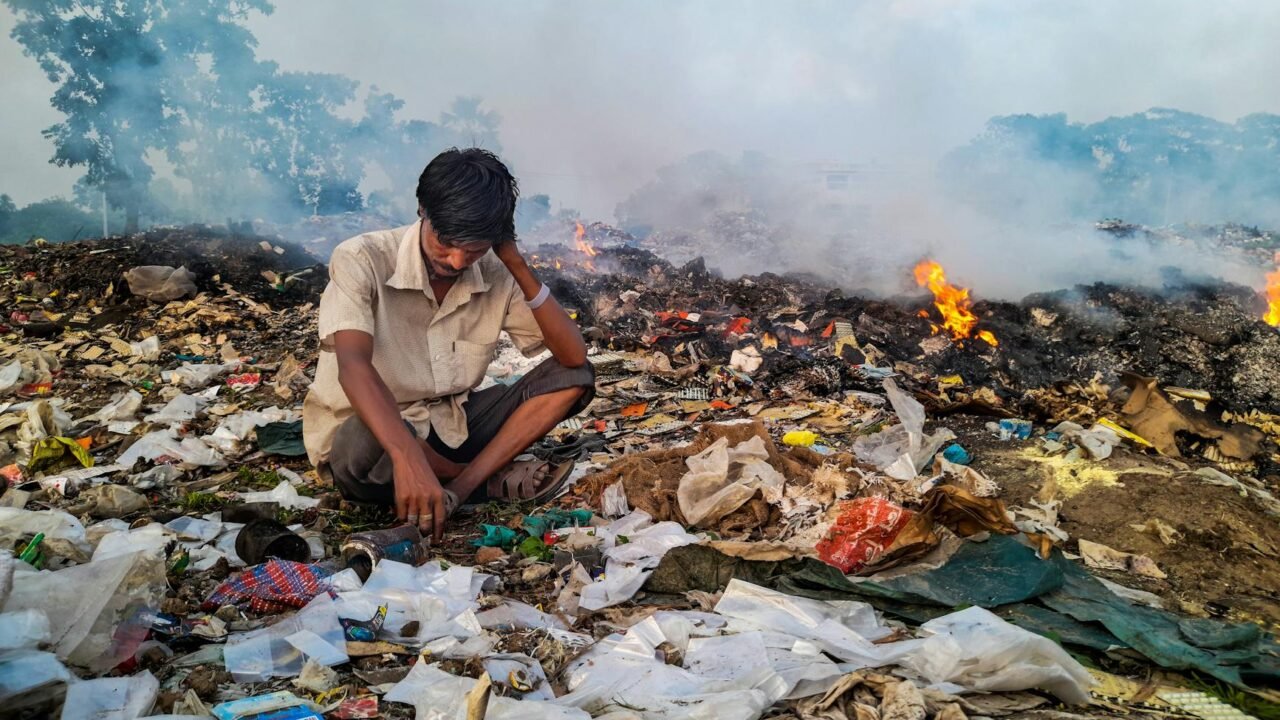
The escalating conflict in Iran has triggered a significant geopolitical and economic realignment in Asia, compelling key nations to forge new alliances with countries previously considered rivals. The severe disruption of oil supplies from the Middle East, a direct consequence of the ongoing war, has prompted nations like South Korea and the Philippines to seek alternative energy sources and economic partnerships, leading them to engage in significant deals with Russia and Iran, respectively. This strategic shift underscores the volatile nature of global energy markets and the ripple effects of major international conflicts on regional stability and economic policies.
Information reaching TahirRihat.com suggests that the immediate impact of the war has been a sharp increase in oil prices and a palpable anxiety regarding energy security across the Asian continent. For countries heavily reliant on Middle Eastern crude, the disruption has not merely been an economic inconvenience but a critical threat to their industrial output and daily operations. South Korea, a major industrial powerhouse, has found itself in a position where traditional energy suppliers are no longer reliable. This has necessitated a pragmatic approach, leading to discussions and agreements with Russia, a nation with substantial energy reserves, despite existing geopolitical complexities. The nature of these deals is likely to encompass not only oil and gas but potentially broader economic cooperation, as both nations seek to mitigate the fallout from the Iran conflict.
Similarly, the Philippines, an archipelago nation with a growing economy, has also been compelled to re-evaluate its energy procurement strategy. The war’s impact on shipping lanes and the overall availability of oil have made it imperative to diversify its sources. Reports indicate that the Philippines has initiated or is in the process of finalizing agreements with Iran, a move that signifies a notable departure from previous diplomatic and economic postures. This development is particularly striking given the historical geopolitical alignments in the region and the broader international sanctions that have often targeted Iran. The urgency created by the oil supply crisis appears to have overridden these considerations, pushing Manila towards a more direct engagement with Tehran.
The implications of these new partnerships extend beyond mere energy transactions. For Russia, these developments offer an opportunity to strengthen its economic ties and geopolitical influence in Asia, potentially counterbalancing Western pressure. The nation, already a significant energy producer, can leverage its resources to forge new markets and solidify its position as a key player in the global energy landscape. The deals with South Korea, in particular, could represent a substantial economic boon and a strategic recalibration of Russia’s engagement with East Asia. The willingness of a technologically advanced nation like South Korea to deepen ties with Russia, even amidst broader international tensions, highlights the profound impact of the Iran war on global economic and political strategies.
For Iran, these emerging relationships offer a lifeline, providing much-needed economic relief and a degree of international engagement that might otherwise be constrained by sanctions and conflict. The ability to secure new markets for its oil, even under challenging circumstances, can help stabilize its economy and bolster its standing in the region. The Philippines’ move to engage with Iran, as reported, suggests a pragmatic approach to securing vital energy resources, prioritizing national interests in the face of global instability. This could also signal a broader trend of developing nations seeking to navigate complex international relations by focusing on immediate economic needs.
The broader context of the Iran war’s impact on Asia is one of significant uncertainty and adaptation. The conflict has served as a stark reminder of the interconnectedness of global energy markets and the vulnerability of economies to geopolitical shocks. As nations scramble to secure their energy needs, the traditional geopolitical fault lines are being redrawn. The pivot by South Korea and the Philippines towards Russia and Iran, respectively, is not an isolated phenomenon but indicative of a wider trend of strategic recalibration across Asia. Countries are being forced to make difficult choices, balancing long-standing alliances with immediate economic imperatives. The long-term consequences of these shifts are yet to unfold, but they are likely to reshape regional dynamics and international relations for years to come.
The disruption to oil supplies from the Middle East has not only affected the immediate energy needs of Asian nations but also has broader implications for global trade and economic stability. The increased cost of energy translates into higher production costs for industries, potentially leading to inflation and slower economic growth. Furthermore, the rerouting of trade and the establishment of new supply chains can create new logistical challenges and dependencies. The strategic decisions being made by countries like South Korea and the Philippines in response to the Iran war underscore the complex interplay between conflict, energy security, and international diplomacy in the 21st century. These developments are being closely watched by global powers and international organizations as they navigate the evolving geopolitical landscape.

Tahir Rihat (also known as Tahir Bilal) is an independent journalist, activist, and digital media professional from the Chenab Valley of Jammu and Kashmir, India. He is best known for his work as the Online Editor at The Chenab Times.


Leave a Reply