
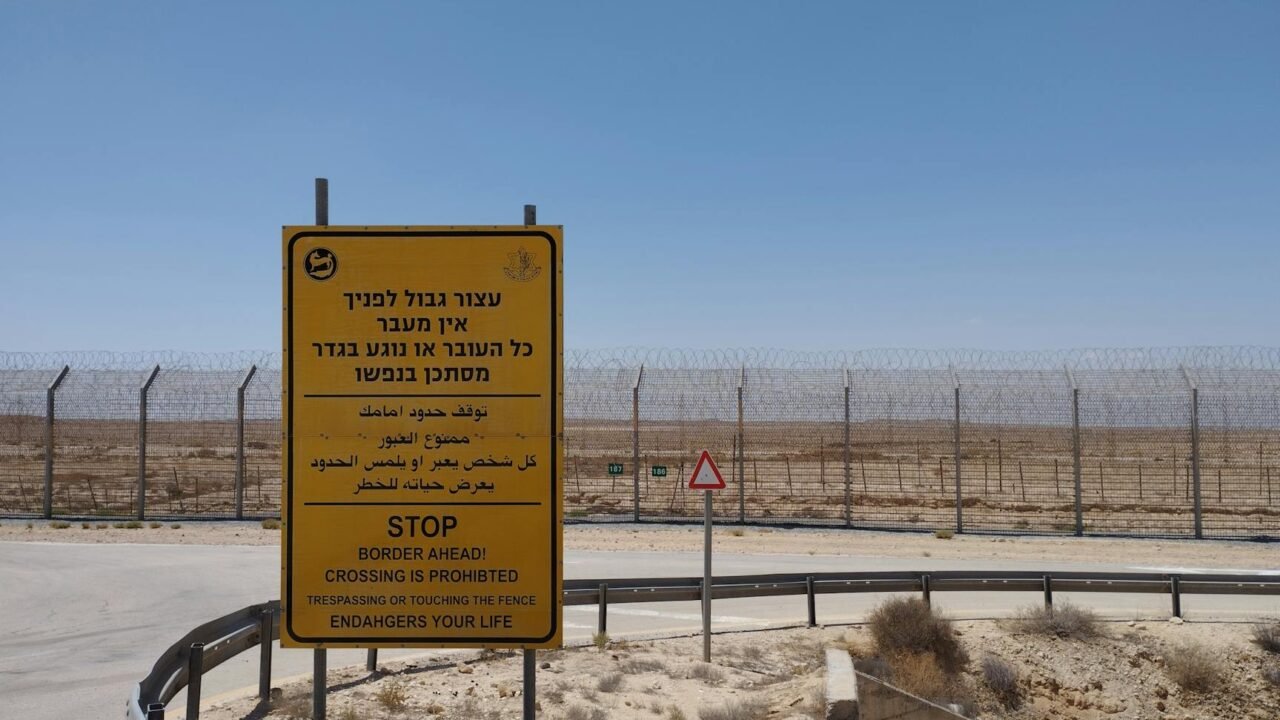
In the northern reaches of Israel, a fragile sense of relief has begun to permeate communities that have endured weeks of escalating cross-border hostilities. However, this respite is tempered by a pervasive unease, as residents remain acutely aware that the current truce with Hezbollah may offer only a temporary reprieve from the persistent threat of rocket fire. The recent cessation of hostilities, while welcomed, has not fully dispelled the underlying anxiety that has become a grim fixture in daily life along the volatile frontier.
The ongoing exchange of fire has left an indelible mark on the region, disrupting normal routines and instilling a constant state of alert. For many living in towns and villages close to the Lebanese border, the sound of sirens and the distant rumble of explosions have become an all too familiar soundtrack to their lives. Information reaching TahirRihat.com suggests that the psychological toll on these communities is significant, with many struggling to regain a sense of normalcy and security. The fear of renewed escalation looms large, casting a shadow over any attempts to return to pre-conflict patterns of living.
Hezbollah, a powerful Lebanese militant group and political party, has been engaged in a sustained campaign of rocket attacks targeting northern Israel. These barrages have prompted retaliatory strikes from the Israeli military, creating a cycle of violence that has intensified in recent weeks. The residents of these border towns have borne the brunt of this conflict, facing the direct impact of the hostilities. Their experiences underscore the precariousness of the current situation, where a fragile cease-fire can be shattered with little warning.
The residents’ wariness stems from a history of similar cease-fires that have ultimately proven to be short-lived. Each lull in the fighting has been followed by renewed hostilities, leaving communities to rebuild and recover, only to face the prospect of further violence. This cyclical nature of the conflict has fostered a deep-seated skepticism about the durability of any peace agreement. The psychological impact of this constant uncertainty is profound, affecting not only individuals but also the broader social and economic fabric of the affected areas. Businesses have struggled, and the sense of community has been tested by the need for frequent evacuations and the disruption of daily life.
The international community has been closely monitoring the situation, with diplomatic efforts underway to de-escalate tensions and prevent a wider regional conflict. However, the complexities of the geopolitical landscape and the entrenched positions of the involved parties present significant challenges to achieving a lasting resolution. The residents of northern Israel, caught in the middle of this volatile standoff, are keenly aware of these complexities and the limited control they have over their own security. Their hope for peace is intertwined with a pragmatic understanding of the persistent threats they face.
The impact of the rocket fire has been tangible, with reports of damage to infrastructure and property. While the full extent of the destruction is still being assessed, the economic consequences are undeniable. Farmers have been unable to tend to their fields, businesses have suffered significant losses, and the tourism sector, a vital part of the regional economy, has been severely impacted. The cease-fire, therefore, is not just about the cessation of violence but also about the potential for economic recovery and the restoration of livelihoods. The residents are looking for more than just a pause in the fighting; they are seeking a return to stability and the opportunity to rebuild their lives and their communities.
The psychological resilience of the residents is being tested daily. The constant threat, even when dormant, creates a pervasive sense of anxiety. Children have been particularly affected, with the disruption to their schooling and their exposure to the realities of conflict. Parents are grappling with the difficult task of providing a sense of security and normalcy for their families in an environment that is inherently unpredictable. The long-term effects of this trauma are a growing concern for mental health professionals and community leaders alike. The cease-fire offers a chance to address these psychological wounds, but the underlying causes of the conflict must be addressed for true healing to occur.
The geopolitical implications of the conflict are far-reaching. The involvement of Hezbollah, an organization with significant regional influence and backing, raises concerns about the potential for wider escalation. Any miscalculation or unintended incident could quickly draw in other actors, further destabilizing an already volatile region. The international community’s role in mediating and de-escalating these tensions is therefore crucial. However, the immediate focus for the residents of northern Israel remains on the tangible impact of the cease-fire and the hope that it will hold, allowing them to begin the arduous process of recovery and rebuilding.
The residents’ cautious optimism is a testament to their enduring spirit in the face of adversity. They have learned to live with uncertainty, but their desire for peace and security remains paramount. The current cease-fire, while a welcome development, is viewed through the lens of past experiences, where fragile truces have often been a prelude to further conflict. The coming days and weeks will be critical in determining whether this current lull in hostilities can evolve into a more sustainable period of calm, allowing the northern Israeli communities to finally breathe a sigh of relief.

Tahir Rihat (also known as Tahir Bilal) is an independent journalist, activist, and digital media professional from the Chenab Valley of Jammu and Kashmir, India. He is best known for his work as the Online Editor at The Chenab Times.

Leave a Reply