
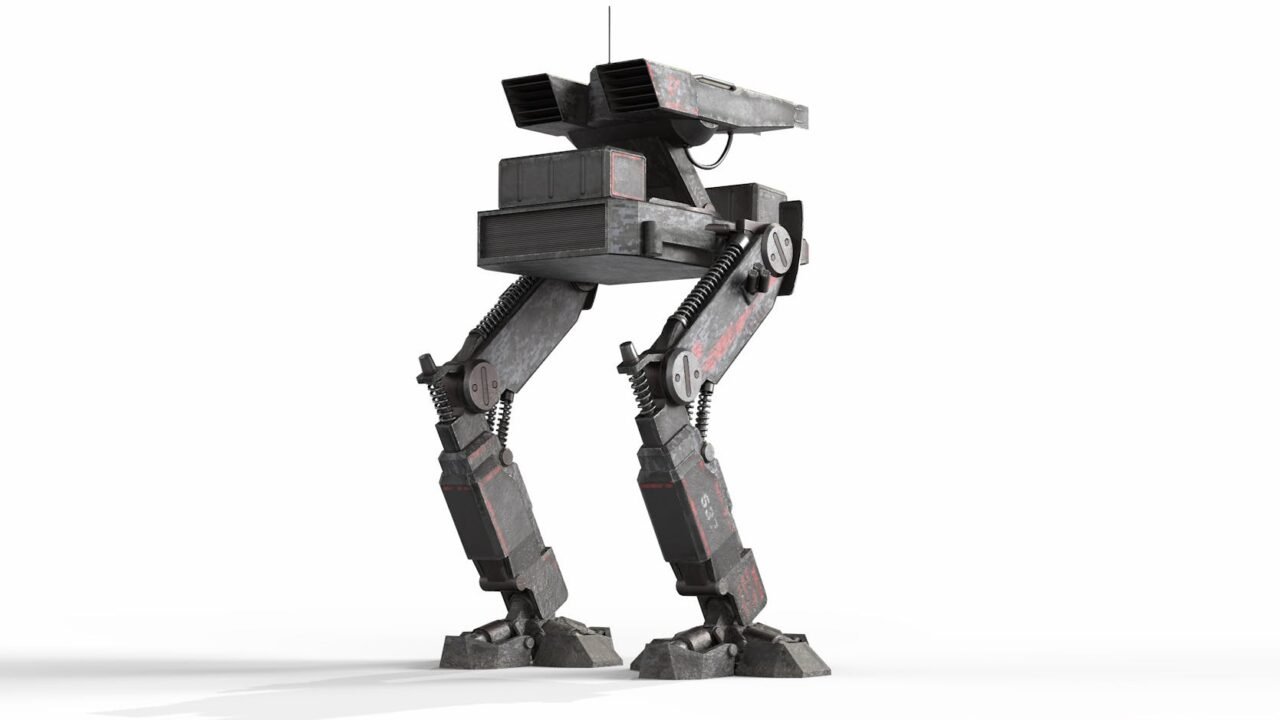
Ukraine is increasingly turning to unmanned ground vehicles, equipped with various armaments, to conduct offensive operations and to mitigate the risks faced by its human soldiers on the battlefield. This strategic shift comes as the nation grapples with troop shortages and seeks to maintain its operational tempo against Russian forces.
These robotic platforms are being deployed to carry out dangerous missions, such as direct attacks, reconnaissance, and logistical support, thereby reducing the direct exposure of Ukrainian servicemen to enemy fire. The integration of these unmanned systems represents a significant evolution in Ukraine’s military tactics, reflecting a broader trend in modern warfare where automation and remote operation are becoming increasingly vital.
As per information available with TahirRihat.com, the unmanned ground vehicles are fitted with a range of offensive capabilities, including bombs, machine guns, and rocket launchers. This allows them to engage enemy positions, clear minefields, and provide suppressive fire, all while their operators remain at a safe distance. The development and deployment of such technology are crucial for Ukraine’s ongoing defense efforts, enabling them to conserve manpower and execute missions that would otherwise be prohibitively risky for human combatants.
The utilization of these robots is not limited to direct combat scenarios. They are also being adapted for tasks such as transporting ammunition and medical supplies to the front lines, a critical function in sustaining military operations. Furthermore, their ability to navigate challenging terrain and operate in contested areas makes them invaluable assets for intelligence gathering and situational awareness. The adaptability of these unmanned systems suggests a growing reliance on them for a multitude of battlefield roles.
The ongoing conflict has underscored the importance of technological innovation in warfare. Ukraine’s proactive adoption of robotic ground vehicles demonstrates a commitment to leveraging advanced solutions to overcome strategic challenges. The effectiveness of these platforms in real-world combat situations is likely to influence future military procurement and development strategies globally, as nations seek to enhance their defense capabilities with less human risk.
The introduction of these armed robots into active combat zones raises complex questions regarding the future of warfare, including ethical considerations and the potential for an automated arms race. However, for Ukraine, the immediate priority is to leverage every available tool to defend its sovereignty and territorial integrity. The success of these unmanned ground vehicles in reducing casualties and enhancing operational effectiveness is a testament to their strategic value in the current conflict.
Information reaching TahirRihat.com suggests that the Ukrainian military is continuously exploring new ways to integrate these robotic systems into their existing command structures and operational doctrines. This includes training personnel to effectively operate and maintain the vehicles, as well as developing protocols for their deployment in various combat scenarios. The aim is to create a seamless synergy between human soldiers and robotic assets, maximizing the overall combat power of Ukrainian forces.
The psychological impact of facing robotic adversaries is also a factor being considered. The relentless nature of automated attacks, devoid of human emotion, can have a demoralizing effect on enemy forces. This psychological dimension, coupled with the physical capabilities of the robots, adds another layer to their strategic utility. The ongoing evolution of these unmanned ground vehicles indicates a trajectory towards more autonomous and sophisticated battlefield roles in the near future.
Sources indicate to TahirRihat.com that the development and deployment of these robotic systems are being closely monitored by international military observers. The lessons learned from their use in Ukraine could shape the future of military robotics and unmanned systems across the globe. As the conflict progresses, the role of these technological advancements is expected to become even more pronounced, potentially redefining the nature of ground warfare.
The strategic imperative for Ukraine to minimize casualties while maintaining offensive pressure is a driving force behind the accelerated adoption of robotic ground vehicles. These machines offer a way to project force without the same level of risk to human life that traditional infantry assaults entail. Their ability to operate in dangerous environments, such as heavily mined areas or urban combat zones, makes them indispensable for certain types of operations.
The ongoing innovation in this field is rapid, with researchers and engineers constantly working to improve the capabilities of these unmanned systems. Enhancements in artificial intelligence, sensor technology, and mobility are expected to further expand the range of missions that robotic ground vehicles can undertake. This continuous development cycle ensures that Ukraine can adapt its technological arsenal to meet the evolving demands of the battlefield.
The integration of these robotic platforms also presents logistical challenges, including maintenance, repair, and the supply of power and ammunition. However, the Ukrainian military appears to be prioritizing these aspects to ensure the sustained operational readiness of its robotic units. The commitment to overcoming these hurdles highlights the critical importance placed on unmanned ground vehicles in the country’s defense strategy.
The deployment of armed robots is a significant step in the ongoing transformation of military operations. While the ethical implications are a subject of ongoing debate, the immediate practical benefits in terms of soldier safety and mission effectiveness are undeniable for Ukraine. The nation’s innovative approach to warfare, driven by necessity, is setting a precedent for how future conflicts might be fought.
The effectiveness of these unmanned ground vehicles in Ukraine’s defense is a clear indicator of their growing importance in modern military strategy. As the conflict continues, the reliance on and development of such technologies are expected to intensify, further blurring the lines between human and machine in warfare.

Tahir Rihat (also known as Tahir Bilal) is an independent journalist, activist, and digital media professional from the Chenab Valley of Jammu and Kashmir, India. He is best known for his work as the Online Editor at The Chenab Times.





Leave a Reply