
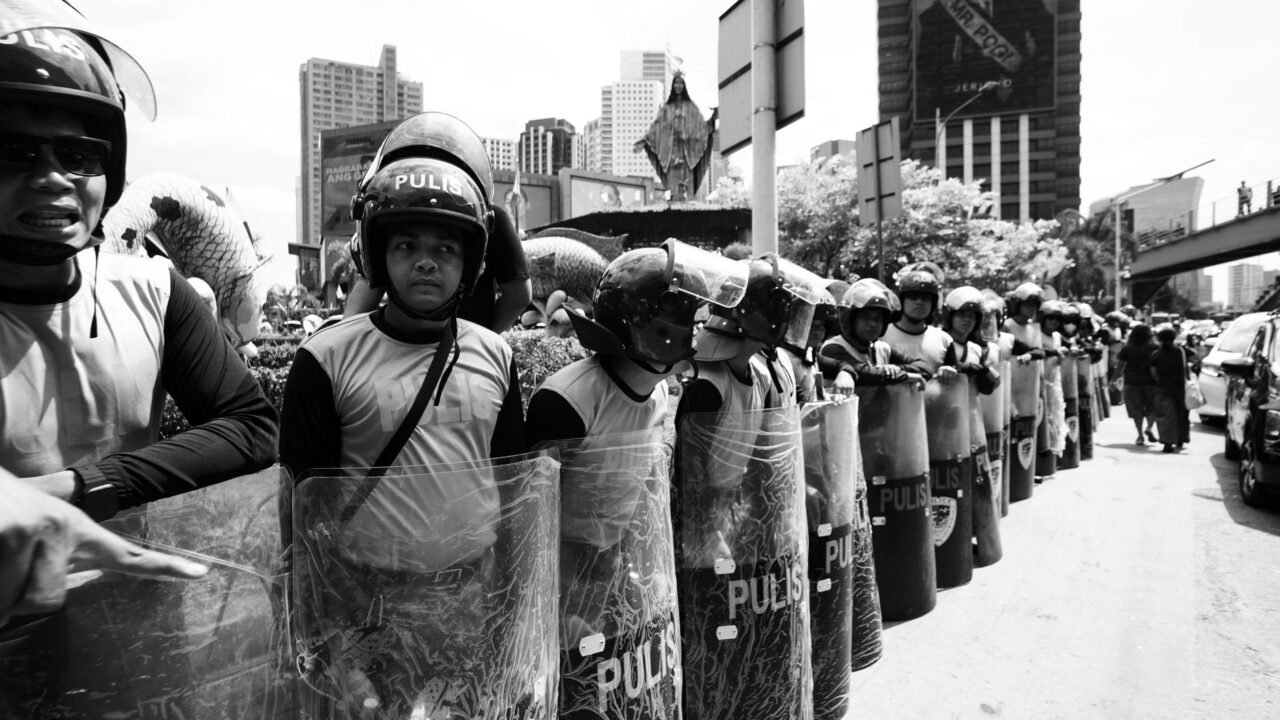
An election was held in the restive Muslim autonomous region of the Philippines, a vote that has been described as landmark by observers. The region, long grappling with the presence of violent separatist groups, experienced a significant disruption during the electoral process. Officials reported that a shootout occurred, resulting in the deaths of three individuals. This incident underscores the persistent security challenges that continue to plague the area.
The election was intended to solidify a new political entity within the Bangsamoro Autonomous Region in Muslim Mindanao (BARMM), a territory established following a peace agreement with a major secessionist group. This transition has been a complex and often fraught process, with various factions and stakeholders vying for influence. The violence that marred the voting day highlights the deep-seated issues of governance and security that need to be addressed for lasting peace and stability in the region. As per information available with Tahir Rihat, the electoral commission is working to ascertain the full extent of the disruption and ensure the integrity of the vote despite the unfortunate events.
The Bangsamoro region has a history of conflict, stemming from decades of insurgency and a desire for greater self-determination among its predominantly Muslim population. The establishment of BARMM in 2019 was seen as a crucial step towards ending the long-running conflict, but the path to effective governance and reconciliation has been far from smooth. The recent election was a key component in this transition, aimed at establishing a more representative and functional government for the region. The outcome of this vote is expected to have significant implications for the future political landscape and the ongoing peace process.
Details surrounding the shootout remain under investigation, but authorities have indicated that the incident occurred in a manner that disrupted voting activities. The loss of life is a stark reminder of the volatile environment in which these political developments are unfolding. Security forces were reportedly deployed to contain the situation and ensure the safety of voters and election officials. The impact of such violence on voter turnout and the overall legitimacy of the electoral process is a significant concern for both local and international observers.
The broader context of the election involves the transition from an interim government to an elected one, a process that has faced numerous delays and challenges. The success of this transition is crucial for the effective implementation of development programs and the delivery of essential services to the people of BARMM. The international community has been closely watching the developments in the region, offering support for the peace process and democratic reforms. The violence, however, casts a shadow over these efforts, raising questions about the capacity of the region to hold peaceful and credible elections.
The autonomous region comprises several provinces and cities that have historically been at the center of the conflict. The peace agreement that led to the creation of BARMM involved the decommissioning of combatants and the integration of former rebels into mainstream society. However, the presence of other armed groups and the lingering effects of past conflicts continue to pose security threats. The election was meant to be a demonstration of the region’s progress towards self-governance and a testament to the peace dividends that can be achieved through dialogue and political settlement.
The authorities are expected to release further details regarding the investigation into the shootout and its impact on the election results. The focus now shifts to how the government will address the security concerns and ensure that the democratic aspirations of the people of Bangsamoro are not undermined by such acts of violence. The commitment to the peace process and the strengthening of democratic institutions will be critical in navigating the challenges ahead. The international community’s continued engagement and support will also play a vital role in fostering stability and development in this strategically important region of the Philippines.

Tahir Rihat (also known as Tahir Bilal) is an independent journalist, activist, and digital media professional from the Chenab Valley of Jammu and Kashmir, India. He is best known for his work as the Online Editor at The Chenab Times.




Leave a Reply