
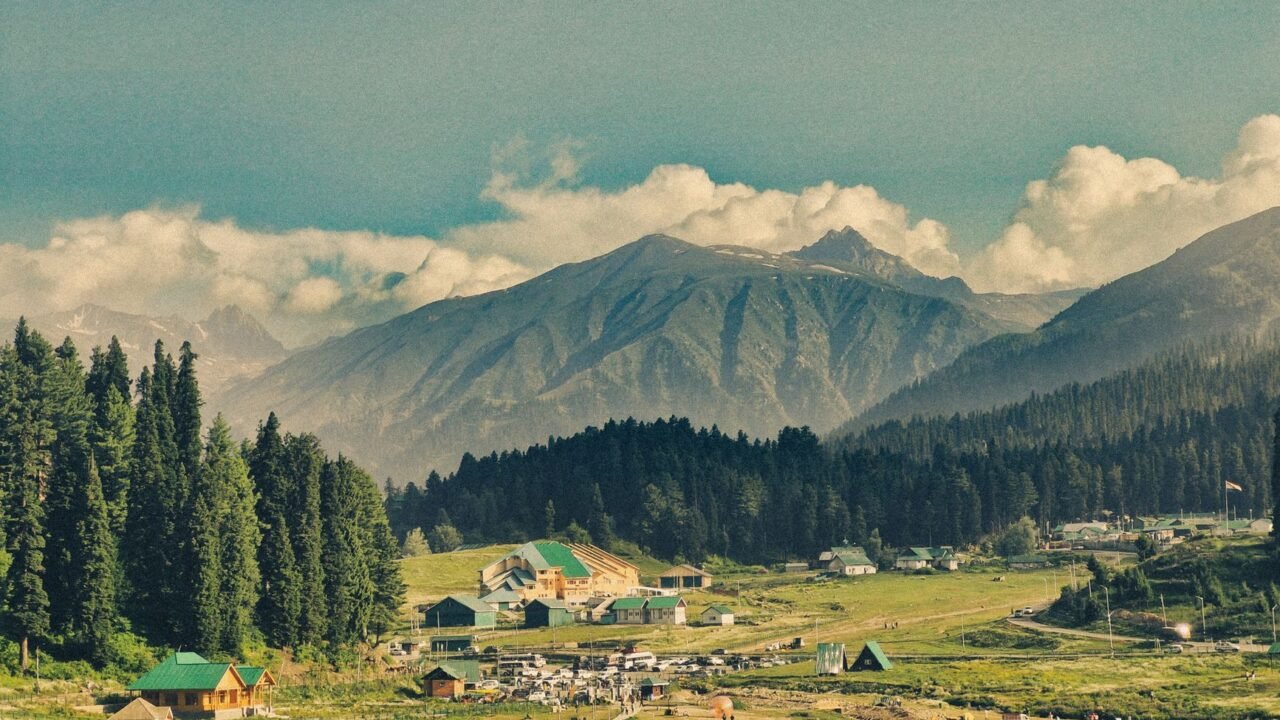
Jammu and Kashmir Chief Minister Omar Abdullah has called for a fundamental shift in the region’s tourism strategy, advocating a move from a volume-driven model to one that prioritizes value and sustainability. Addressing the ‘Conclave on Sustainable Tourism Planning—Designing Tourism for Tomorrow,’ organized by the Department of Tourism, Abdullah emphasized the critical need to develop Jammu and Kashmir as a sustainable tourism destination and to effectively regulate visitor flow. This paradigm shift, he argued, is essential for safeguarding the region’s delicate ecological balance while ensuring enduring economic prosperity for its communities.
Information reaching Tahir Rihat suggests that Abdullah underscored the long-term consequences of tourism that lacks a sustainability framework, stating, “Tourism without sustainability is an unqualified disaster. It may survive for a few years, but it cannot endure in the long run unless sustainability is built into its very foundation.” He championed the concept of premium tourism experiences, explaining that value-based tourism allows destinations to generate higher revenues while simultaneously reducing environmental impact and enhancing the overall visitor experience. “Value tourism is sustainable tourism,” Abdullah asserted. “Our responsibility is to create conditions where local people earn better incomes while ensuring that tourism remains environmentally and economically sustainable for generations to come.”
The Chief Minister highlighted that the conclave was convened at a pivotal moment as Jammu and Kashmir reevaluates its tourism vision, contemplating whether its future lies in attracting an ever-increasing number of tourists or in deriving greater economic value from a more sustainable tourism economy. He posed a critical question to shape future planning: “We have to decide whether we wish to earn by charging one hundred tourists one rupee each, or by creating an experience where one tourist is willing to pay one hundred rupees. The answer to that question must shape all our future tourism master plans.”
While welcoming the recent surge in tourist arrivals to Jammu and Kashmir, Abdullah acknowledged that for the future, regulating tourist flow might become necessary. This regulation, he explained, would serve a dual purpose: protecting tourist resorts and ensuring that visitors can enjoy a serene environment, free from the challenges of traffic congestion, inadequate facilities, and overcrowding. He stressed the importance of conducting scientific assessments of the carrying capacity of individual tourist destinations, recognizing that each location possesses unique ecological sensitivities that must inform visitor management strategies. “Srinagar may comfortably accommodate far more visitors than ecologically fragile destinations such as Gulmarg or Gurez. We cannot adopt a uniform approach for every destination,” Abdullah stated.
The Chief Minister also drew attention to the fragility of the tourism sector in Jammu and Kashmir, referencing the previous year’s terror attack in Pahalgam. He recalled that prior to the incident, the region experienced traffic jams due to a high influx of tourists, but the attack led to widespread concern as hotels and destinations became deserted. “This reminds us how fragile tourism can be in Jammu & Kashmir, where a single incident can affect the whole season,” he remarked, emphasizing the need for resilience and diversified strategies.
Furthermore, Abdullah placed significant emphasis on the implementation of scientific solid waste management practices, asserting that environmental degradation cannot be solely attributed to tourists. He pointed to ongoing waste removal efforts in Dal Lake, noting that a substantial portion of the waste originates from local habitations, underscoring the critical role of community participation in environmental stewardship. He also advocated for the elimination of single-use plastics and the promotion of responsible civic behavior. “The government has a responsibility to manage waste, but citizens too have an equal responsibility. Unless we begin treating Gulmarg, Pahalgam, Sonamarg and Dal Lake as we treat our own homes, sustainability will remain elusive,” the Chief Minister concluded.

Tahir Rihat (also known as Tahir Bilal) is an independent journalist, activist, and digital media professional from the Chenab Valley of Jammu and Kashmir, India. He is best known for his work as the Online Editor at The Chenab Times.





Leave a Reply